
Fuel Crisis – Bangladesh Faces Rising Tensions Amid Worsening Petrol Shortage
Fuel Crisis – Bangladesh is currently grappling with an intensifying fuel shortage that has begun to disrupt everyday life across the country. Long lines at petrol stations have become a common sight, with many motorists waiting for hours to access limited supplies. The situation has sparked growing concern among fuel station operators, who warn that the crisis could escalate further if immediate action is not taken.
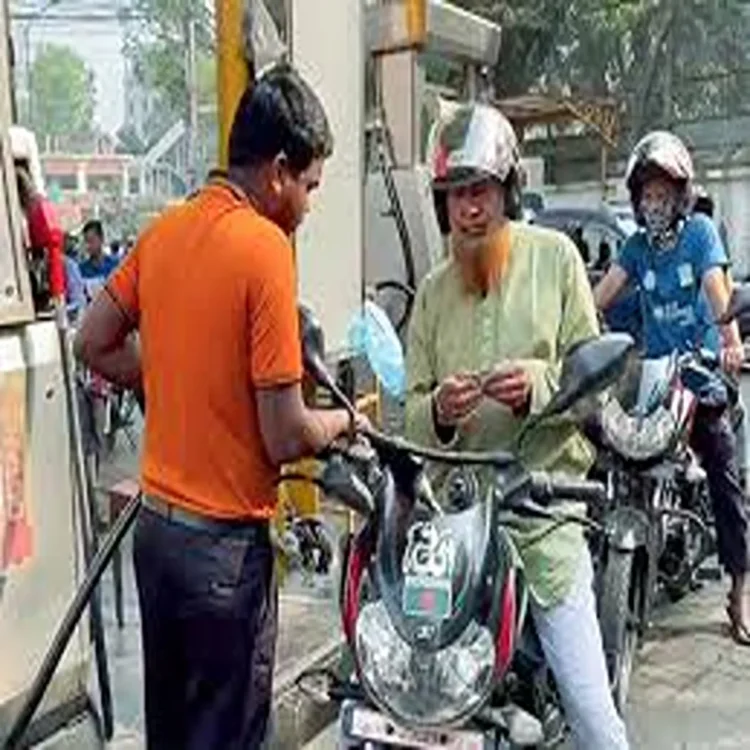
Supply Shortfall Deepens Public Hardship
According to petrol pump owners, the daily fuel allocation provided by state-run distributors is falling significantly short of actual demand. This imbalance has created widespread inconvenience, particularly for the country’s large population of motorcycle users and transport operators. Many customers are returning empty-handed after prolonged waiting periods, adding to public frustration.
Fuel station workers are also facing immense pressure. Staff members, including nozzle operators, are working extended hours under stressful conditions while managing increasingly agitated customers. Owners say their workforce is not equipped for such relentless demand, leading to operational strain at multiple levels.
Petrol Pump Owners Warn of Shutdown
The Petrol Pump Owners Association has indicated that the situation has reached a critical stage. They have cautioned that, without improvements in fuel supply and security arrangements, petrol stations across the country may be forced to suspend operations.
In their statements, owners have emphasized that inadequate supply combined with safety concerns is making it increasingly difficult to continue business. The possibility of a nationwide shutdown, they argue, is no longer a distant risk but an immediate concern if conditions remain unchanged.
Security Concerns Add to the Crisis
Beyond supply issues, petrol pump operators have raised serious concerns about security. They allege that authorities have not taken sufficient steps to ensure safety at fuel stations, leaving workers and infrastructure vulnerable.
Several incidents have reportedly involved threats, vandalism, and forced fuel collection by groups during late hours. In some cases, stations were compelled to open at night under pressure, with large quantities of fuel taken without proper control. Owners claim that enforcement agencies were either absent or ineffective during such incidents.
Instances of Disorder Highlight Weak Oversight
One example cited by the association described unusually high sales activity before a major holiday. Fuel stocks that were expected to last several days were exhausted rapidly under chaotic conditions. Owners compared the situation to uncontrolled distribution rather than regulated sales, pointing to a lack of on-ground supervision.
They further stated that administrative authorities appeared focused on documentation and reporting rather than actively managing crowd control or ensuring orderly distribution at fuel stations. This gap in oversight has contributed to worsening conditions on the ground.
Rising Risks for Fuel Transportation
Concerns are not limited to retail outlets. Petrol pump owners have also expressed apprehension about the safety of fuel tankers transporting supplies over long distances. With fears of looting during transit, operators question whether current arrangements are sufficient to protect these critical supply chains.
They argue that ensuring safe transportation of fuel is a fundamental responsibility of the state. Without adequate protection, disruptions in delivery could further deepen the shortage and complicate recovery efforts.
Call for Immediate Government Action
The association has urged the government to take decisive and coordinated steps to stabilize the situation. Their demands include increasing fuel supply, strengthening security at petrol stations, and ensuring safe transit for tankers.
They have also warned that treating losses incurred by fuel stations as purely private issues overlooks the broader economic and social impact of the crisis. According to them, the current scenario reflects significant gaps in management and response mechanisms that need urgent attention.
As the situation continues to unfold, both consumers and business owners remain uncertain about how quickly normalcy can be restored. Without timely intervention, the ongoing fuel shortage risks further disrupting transportation, commerce, and daily life across Bangladesh.