
Energy – US Orders Naval Blockade in Hormuz Amid Rising Tensions
Energy – The United States has announced a significant escalation in its standoff with Iran, ordering a naval blockade in the Strait of Hormuz after diplomatic efforts failed to resolve disagreements over Tehran’s nuclear program.
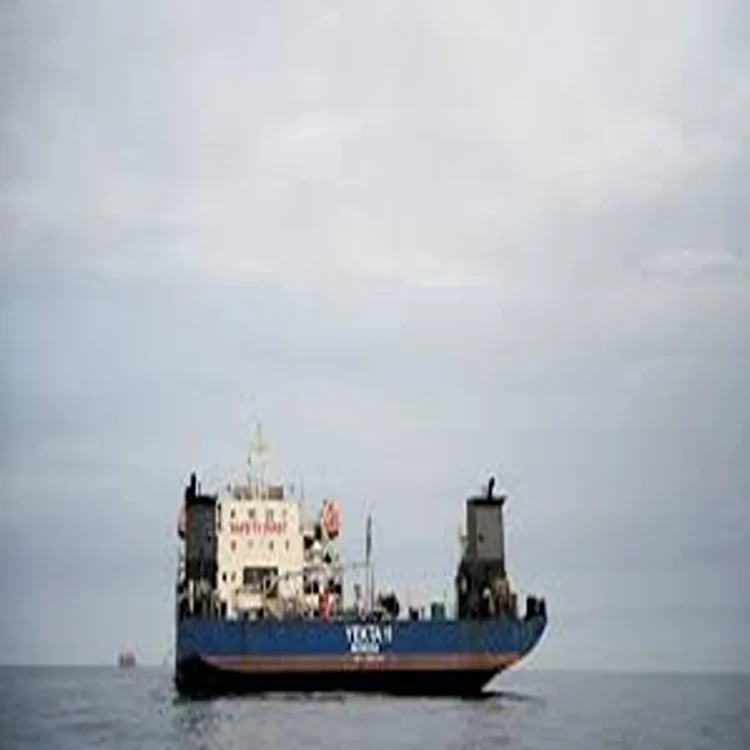
The decision was revealed by US President Donald Trump on Sunday, following extended negotiations held in Islamabad. While the talks reportedly made progress on several fronts, Washington stated that Iran remained firm on continuing its nuclear activities, preventing a final agreement.
Naval Action Announced After Talks Stall
According to Trump, the US Navy has been instructed to begin restricting the movement of vessels entering or leaving the strategically vital Strait of Hormuz. The waterway is one of the most important global energy routes, handling a substantial portion of the world’s oil shipments.
In addition to the blockade, US forces are expected to address naval mines allegedly deployed by Iran in the region. The announcement signals a sharp shift from diplomatic engagement to direct maritime intervention, raising concerns about potential escalation.
Strategic Importance of the Strait
The Strait of Hormuz plays a crucial role in global energy supply, with nearly one-fifth of the world’s crude oil passing through it. Any disruption to shipping in this narrow channel has immediate implications for international markets, particularly oil prices.
Recent tensions have already slowed traffic in the area, as shipping companies grow cautious amid security risks. Analysts note that even partial restrictions can create uncertainty, affecting both supply chains and investor sentiment.
Diplomatic Efforts and Mediation Attempts
The Islamabad negotiations, which lasted over 20 hours, ended without a breakthrough despite reported progress on several issues. US Vice President JD Vance described Washington’s proposal as its final offer, leaving the next move to Tehran.
Iranian officials, however, expressed dissatisfaction with the outcome. Representatives from Tehran indicated that the US failed to build sufficient trust during the discussions, despite what they described as constructive proposals from their side.
In the aftermath of the talks, Russian President Vladimir Putin has stepped forward, offering to mediate between the two sides. The Kremlin confirmed that Moscow is willing to support diplomatic efforts aimed at achieving a long-term resolution and stabilizing the region.
Regional Developments Add Complexity
Elsewhere in the Middle East, Lebanon is preparing for direct talks with Israel in Washington, aimed at resolving ongoing hostilities involving Hezbollah. Lebanese Prime Minister Nawaf Salam reiterated his government’s commitment to ending the conflict through negotiations.
The planned discussions come amid domestic unrest in Lebanon, where both supporters and critics of the negotiations have taken to the streets. The government has emphasized that a ceasefire is essential before meaningful dialogue can proceed, along with demands including prisoner releases and the return of displaced citizens.
Lebanese authorities have also voiced criticism of both Israeli military actions and Hezbollah’s role in escalating tensions, highlighting the fragile balance within the country.
Market Concerns Over Energy Supply
Experts warn that the blockade could have far-reaching economic consequences. Reduced shipping through the Strait of Hormuz may tighten global oil supply, potentially pushing prices higher.
Energy analysts suggest that the scale and enforcement of the blockade will be critical in determining its impact. Additionally, any retaliatory actions by Iran or allied groups targeting alternative export routes could further disrupt supply and amplify market volatility.
Uncertainty also surrounds the timeline for implementing the blockade, with some observers suggesting that delays or adjustments could reflect concerns about immediate market reactions.
Uncertain Path Ahead
Despite the breakdown in negotiations, there has been no immediate return to direct conflict between the US and Iran. However, the situation remains tense, with the risk of escalation continuing to loom over the region.
As diplomatic channels remain open through potential mediation efforts, the coming days will be crucial in determining whether the crisis deepens or shifts back toward negotiation