
Energy – UN Security Council to Vote on Strait of Hormuz Security Measure
Energy – The United Nations Security Council is preparing to vote on a draft resolution aimed at safeguarding shipping routes through the Strait of Hormuz, a key artery for global energy transport.
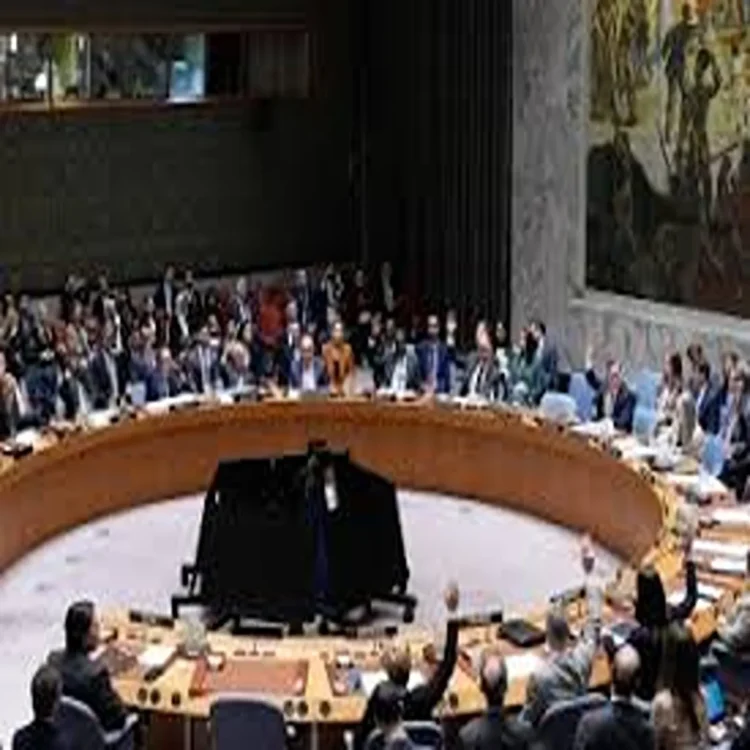
Proposal Targets Maritime Safety Amid Rising Conflict
The draft resolution, introduced by Bahrain, calls on member nations to take all necessary defensive steps to guarantee safe navigation through the Strait of Hormuz. The move comes at a time when ongoing conflict in West Asia has significantly disrupted maritime activity and raised concerns about the uninterrupted flow of oil and gas supplies.
As one of the world’s most critical chokepoints for energy shipments, the Strait of Hormuz has witnessed mounting pressure due to escalating hostilities. The situation has already affected international markets, with fears growing over prolonged instability in the region.
Bahrain Calls for Coordinated Global Response
Speaking at a recent Security Council session, Bahrain’s Foreign Minister Abdullatif bin Rashid Al Zayani emphasized the urgency of addressing what he described as unlawful attempts to interfere with international navigation. He urged the council to adopt a firm and unified stance, highlighting the broader implications for global trade and economic stability.
Bahrain, which currently holds the rotating presidency of the council, has been vocal in pushing for international cooperation to counter threats to maritime security. The draft resolution reflects these concerns, seeking collective action to ensure that vital shipping lanes remain open and secure.
Revisions Reflect Diverging Global Positions
According to reports, the resolution has undergone multiple revisions following objections from some permanent members of the council. Russia and China reportedly raised concerns over language that could be interpreted as endorsing the use of force, leading to modifications aimed at achieving broader consensus.
These changes underline the complex diplomatic balancing act within the Security Council, where differing geopolitical interests often shape the final outcome of resolutions.
Gulf Cooperation Council Stresses Stability
During the meeting, Jasem Mohamed AlBudaiwi, Secretary General of the Gulf Cooperation Council, highlighted the importance of maintaining regional stability. He noted that the current situation represents a critical test for the international system, urging nations to prioritize collective security over unilateral actions.
AlBudaiwi reaffirmed the GCC’s commitment to peace while also stressing that member states would not compromise on their sovereignty or security interests. His remarks reflected a broader regional desire to avoid further escalation while ensuring the safety of strategic waterways.
UN Chief Urges De-escalation
Ahead of the vote, UN Secretary-General Antonio Guterres called on all parties involved to exercise restraint. Addressing reporters, he warned that continued hostilities could deepen humanitarian suffering and trigger wider economic consequences.
Guterres appealed to major stakeholders, including the United States, Israel, and Iran, to take steps toward reducing tensions. His remarks underscored the growing concern within the international community about the potential for further escalation.
Background: Escalation and Its Global Impact
The current crisis follows a series of military developments in late February, when joint strikes by the United States and Israel targeted Iran. The situation intensified after the death of Iran’s Supreme Leader, Ayatollah Ali Khamenei, which led to retaliatory actions by Tehran against US and Israeli interests in the Gulf region.
These developments have disrupted maritime routes and contributed to volatility in global energy markets. In the aftermath, Iran’s Assembly of Experts appointed Mojtaba Khamenei as the country’s new supreme leader, marking a significant political transition during a period of heightened regional tension.
As the Security Council prepares for its vote, the outcome is expected to play a crucial role in shaping the international response to one of the most pressing maritime security challenges in recent times.