
Energy – Trump Warns of Strong Response After Gulf Gas Facility Strike
Energy – US President Donald Trump has said Washington had no prior knowledge of Israel’s reported strike on Iran’s South Pars gas field, while cautioning Tehran against further actions targeting Qatar. His remarks came after Iran launched a retaliatory strike affecting part of Qatar’s liquefied natural gas (LNG) infrastructure.
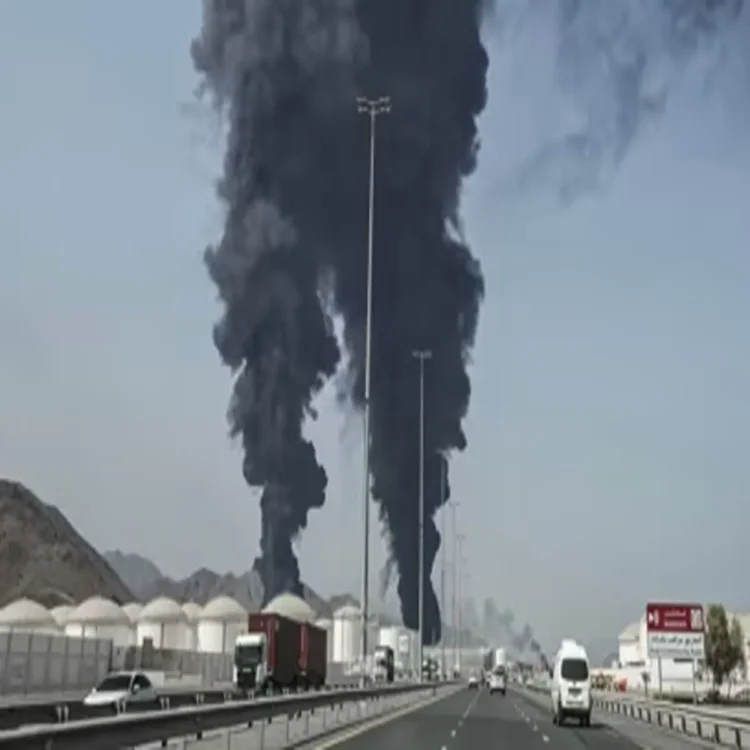
US distances itself from Israeli operation
Speaking late Wednesday, Trump described the Israeli action as a forceful response driven by ongoing tensions in the region. He noted that the strike impacted only a limited section of the vast South Pars facility, which is considered vital to Iran’s energy sector.
Trump emphasised that the United States was not involved in planning or executing the strike. He also clarified that Qatar had no role in the incident and was unaware of any impending attack.
Iran’s response and rising tensions
According to Trump, Iran acted without full awareness of the circumstances surrounding the initial strike. He said Tehran’s response—targeting a segment of Qatar’s LNG infrastructure—was both unjustified and based on incomplete information.
The development has added to concerns about the widening scope of the conflict, particularly as energy assets become increasingly involved.
Warning over future escalation
Trump issued a strong warning aimed at preventing further escalation. He stated that no additional Israeli strikes on the South Pars field would occur unless Iran chose to target Qatar again.
He also made it clear that any future Iranian action against Qatar would prompt a decisive US response. Trump said such a move could result in overwhelming retaliation against the South Pars facility, signalling a potential escalation with far-reaching consequences.
Despite the warning, Trump indicated he would prefer to avoid such an outcome, citing the long-term impact on regional stability and Iran’s future. However, he stressed that the US would act if Qatar’s energy infrastructure were targeted again.
Global energy concerns intensify
A report by The Wall Street Journal highlighted that the recent strikes mark a significant shift in the ongoing conflict involving Israel and Iran. Attacks on major oil and gas facilities have raised fears of disruptions to global energy supplies.
The report noted that while both sides had previously targeted energy-related sites during the nearly three-week-long conflict, the latest developments involve some of the most critical hubs in the region. This has increased the risk of continued retaliatory strikes affecting global markets.
Strait of Hormuz disruption adds to crisis
The situation has also impacted the Strait of Hormuz, a key maritime route for global energy transport. The waterway, which typically handles around 20 percent of the world’s oil and LNG shipments, is now effectively closed due to the ongoing conflict.
This disruption has further heightened concerns about supply shortages and rising energy prices worldwide.
Strategic importance of South Pars
The South Pars Gas Field, located in southwestern Iran, is the country’s largest natural gas reserve and a cornerstone of its energy infrastructure. It contributes roughly three-quarters of Iran’s gas production and supports the majority of its electricity generation.
The field is jointly shared with Qatar and is widely regarded as the largest natural gas reserve globally, making it a critical asset not just for the region but for global energy stability.
Regional risks continue to grow
Following the strike, Iran warned that energy infrastructure across the Gulf could become potential targets. This statement has raised alarm among neighbouring countries and international observers, as the region’s energy network remains highly interconnected.
With tensions escalating and key energy assets under threat, the situation continues to evolve, posing risks not only to regional security but also to global energy markets.