
Energy – Trump Signals Temporary Sanctions Relief to Stabilize Global Oil Prices
Energy – US President Donald Trump announced on Monday that his administration is considering easing certain oil-related sanctions in an effort to increase global supply and ease rising fuel prices. The move comes amid severe market disruption triggered by escalating tensions in the Middle East.
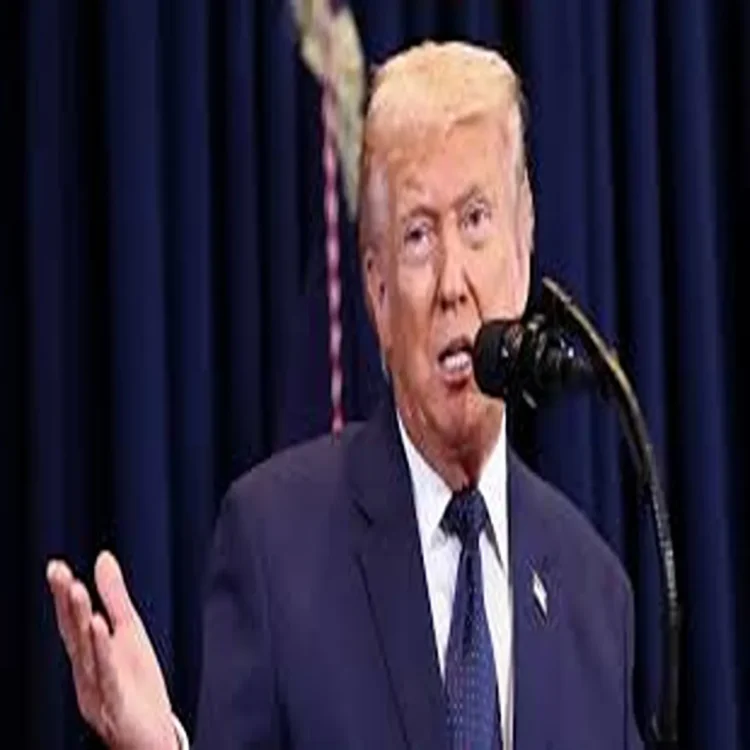
Speaking to reporters after discussions with Russian President Vladimir Putin, Trump said the United States may temporarily lift some restrictions affecting oil trade. According to him, the step is intended to help stabilize markets that have been shaken by the ongoing conflict involving Iran.
Middle East Conflict Disrupts Global Energy Supply
Recent military strikes involving the United States and Israel against Iranian targets, followed by retaliatory actions from Tehran across the Gulf region, have created significant uncertainty in global energy and shipping routes. One of the most affected areas is the Strait of Hormuz, a critical maritime passage through which roughly one-fifth of the world’s oil supply typically moves.
With tensions escalating, shipping activity in the strait has slowed dramatically, raising concerns about potential shortages and rapidly increasing crude prices. Energy traders and governments worldwide have been closely monitoring the situation as markets respond to each development.
Trump said the United States is reviewing sanctions that restrict oil exports from certain countries. While he did not identify which nations could benefit from the temporary relief, he indicated that removing some restrictions could help increase supply and bring prices down.
Talks With Russia and Global Energy Implications
Trump’s remarks came shortly after a phone call with Russian President Vladimir Putin. Russia remains one of the largest producers and exporters of crude oil, making its role crucial in global supply dynamics. China, another key player in the energy market, is both a major importer of oil and an important trading partner for Russia.
Following Trump’s comments suggesting the conflict could end sooner than expected, global markets reacted quickly. Oil prices dropped while stock markets moved higher as investors interpreted the statement as a sign that geopolitical tensions might ease.
Trump also suggested that if the conflict ends and stability returns to the region, the temporary lifting of sanctions could potentially continue.
Plans to Secure Oil Shipments Through Strategic Waterway
The US president reiterated that Washington is prepared to help secure maritime routes in the Gulf region. He stated that the United States could provide protection for oil tankers moving through the Strait of Hormuz to ensure uninterrupted energy supplies.
Such a move would aim to prevent further disruption to global oil flows and reassure importing nations concerned about shipping safety.
The strait remains one of the world’s most strategically important shipping lanes, connecting oil producers in the Middle East to major markets across Asia, Europe, and North America.
Temporary Authorization for Russian Oil Sales
In a related development, US Treasury Secretary Scott Bessent recently confirmed that Washington had been evaluating additional flexibility regarding sanctions affecting Russian oil exports. The US government last week temporarily authorized the sale of Russian oil shipments that had been stranded at sea.
Under the temporary measure, India was allowed to purchase those shipments despite restrictions tied to Russia’s ongoing war in Ukraine. The authorization includes transactions involving vessels previously targeted by various sanctions regimes.
Officials said the arrangement would remain in effect until April 3, 2026.
Economic Pressures and Political Considerations
Rising energy prices have placed growing pressure on governments around the world. Higher crude prices have affected fuel costs and transportation expenses, creating concerns about inflation and economic stability.
For the United States, the issue carries additional political weight ahead of the upcoming midterm elections in November. Energy prices are often closely watched by voters and can influence broader economic sentiment.
Analysts say the administration may be seeking ways to prevent further price increases that could impact American consumers.
Russia’s Energy Sector Faces Mixed Outlook
While easing restrictions could potentially increase global oil supply, it also presents a strategic challenge for Washington. Sanctions imposed after Russia’s invasion of Ukraine were designed to reduce Moscow’s energy revenues.
Those measures have already affected Russia’s economy. Government income from oil and gas exports dropped to a five-year low earlier this year, and the country has faced growing inflation and slower economic growth.
Despite the pressure, Russia continues to rely heavily on energy exports for government revenue. In late 2025, the United States added two major Russian oil companies, Lukoil and Rosneft, to its sanctions blacklist.
Global Importers Respond to Oil Market Volatility
The recent surge in oil prices has caused concern among energy-importing nations, particularly across Asia. Several governments have already taken steps to manage potential economic impacts.
South Korea has activated a $68 billion market stabilization program to protect its financial system from volatility. Japan is reportedly reviewing the possibility of using its strategic petroleum reserves to stabilize supply.
Meanwhile, reports from Southeast Asia suggest that long lines have formed at petrol stations in several countries, including Vietnam, Myanmar, and the Philippines, as consumers react to uncertainty in fuel markets.
Analysts See Strategic Advantage for Russia
Energy analysts say the broader geopolitical situation may indirectly benefit Russia. Restrictions on oil from Iran and political upheaval in Venezuela earlier this year have reduced supplies from two other major producers.
With fewer discounted alternatives available, some large importers may increasingly turn to Russian crude. Experts at the Carnegie Russia Eurasia Center noted that Moscow could expand exports to China as global supply patterns shift.
They also pointed out that maritime routes can be vulnerable during geopolitical conflicts, making land-based pipelines and overland trade routes between Russia and China strategically significant.