
Energy – Trump Signals Approval for Russian Oil Shipment to Cuba
Energy – President Donald Trump indicated on Sunday that he would not oppose a Russian oil tanker reaching Cuba, despite ongoing U.S. restrictions that have sharply limited the island’s access to fuel. Speaking to reporters during a return flight to Washington, Trump said he was open to any country providing oil to Cuba if it helps the population cope with worsening living conditions.
US Position Reflects Humanitarian Considerations
Trump clarified that his administration would not interfere with the delivery, regardless of the oil’s origin. He emphasized that the immediate needs of Cuban citizens outweighed political concerns in this instance. According to him, allowing such shipments does not conflict with broader U.S. policy goals.
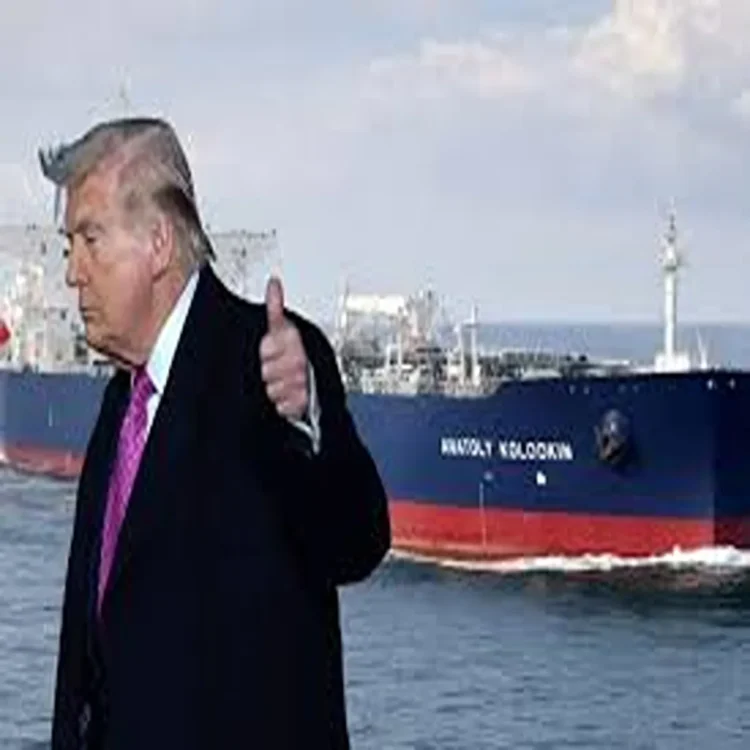
His remarks came after reports suggested that a tanker carrying a large volume of oil was nearing Cuban waters. The vessel, identified through maritime tracking systems, is believed to be transporting roughly 730,000 barrels of crude. It was positioned near the eastern coast of the island and expected to dock in Matanzas within days.
Sanctioned Vessel Draws International Attention
The tanker involved in the shipment has been sanctioned by multiple Western authorities, including the United States, the European Union, and the United Kingdom, due to its links to Russia’s actions in Ukraine. Despite these restrictions, its movement toward Cuba has not been blocked.
Cuban state media outlets have also reported on the vessel’s anticipated arrival, though official confirmation from government authorities has not yet been issued. The situation has drawn global attention as it highlights the complexities of enforcing sanctions while addressing humanitarian needs.
Fuel Crisis Deepens in Cuba
Cuba is currently facing one of its most severe energy crises in years. The U.S. oil blockade has significantly reduced the country’s access to fuel imports, leading to widespread disruptions. Prolonged power outages have affected daily life across the island, with hospitals, transportation systems, and essential services under increasing strain.
The shortage of gasoline and diesel has made it difficult for public services to function effectively. Residents have been forced to adapt to frequent blackouts and limited access to basic resources, intensifying an already challenging economic situation.
Experts estimate that the incoming shipment could be partially refined into approximately 180,000 barrels of diesel. This amount could sustain the country’s daily fuel demand for just over a week, offering temporary relief but not a long-term solution.
Longstanding Geopolitical Tensions
Cuba has historically been a focal point in the strategic rivalry between the United States and Russia. The current situation reflects that ongoing dynamic, though Trump dismissed concerns that permitting the shipment would provide any meaningful advantage to Russia.
He stated that allowing a single oil delivery would not significantly impact Russia’s position, describing it as a minor concession in the broader geopolitical landscape. Instead, he framed the decision as a practical step aimed at alleviating hardship among Cuban citizens.
Balancing Policy and Public Need
While the U.S. government has maintained a tough stance toward Cuba’s leadership, the effects of these policies have increasingly been felt by the general population. Trump acknowledged this reality, noting that access to energy is essential for heating, cooling, and maintaining basic living standards.
The decision to allow the shipment, even informally, signals a nuanced approach that balances political objectives with humanitarian concerns. However, analysts suggest that without broader policy adjustments, Cuba’s energy challenges are likely to persist.