
Energy – Tensions Rise as Iran Warns Against Attacks on Power Facilities
Energy – Iran has issued a strong warning that power infrastructure in countries hosting American military bases could become targets if the United States carries out threats against Iranian energy facilities. The statement reflects a sharp escalation in rhetoric between the two countries, with both sides signaling potential retaliatory measures that could impact regional stability and global energy flows.
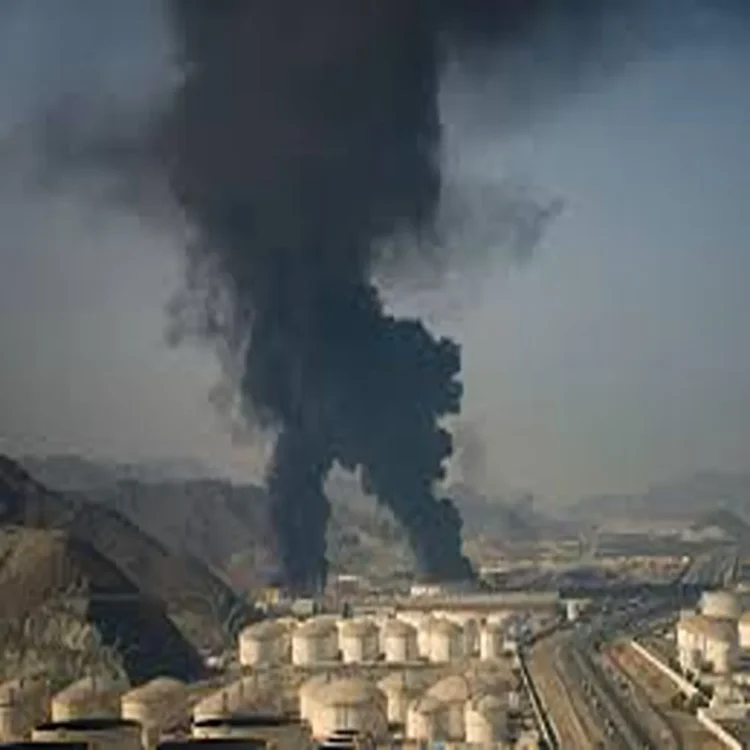
Iran Responds to US Threats on Energy Infrastructure
The warning came from Iran’s Khatam al-Anbiya Central Headquarters, the country’s main military command. Officials said any strike by the United States on Iran’s power plants would trigger a direct and calculated response. According to Iranian state media, the leadership views such threats as a serious violation of national sovereignty and has prepared contingency plans to respond swiftly.
The development follows recent remarks by US President Donald Trump, who indicated that American forces could target Iran’s energy infrastructure if tensions continue to rise. Iran’s response suggests that any such action would not go unanswered and could widen the scope of the conflict beyond its current boundaries.
Strait of Hormuz Remains Under Controlled Access
Iran also addressed concerns about the Strait of Hormuz, a key maritime route for global oil shipments. Authorities stated that the strait has not been fully closed and remains operational under what they described as “smart control.” This means that shipping traffic continues under strict monitoring and regulations aimed at safeguarding Iran’s national interests.
Officials emphasized that current measures are designed to avoid unnecessary disruption while maintaining strategic leverage. However, they warned that the situation could change rapidly if external threats escalate further.
Potential Retaliatory Measures Outlined
Iran outlined several possible responses if US threats materialize. Among the most significant is the potential complete closure of the Strait of Hormuz, which would remain shut until any damaged Iranian infrastructure is restored. Such a move could have far-reaching consequences for global oil markets and international trade.
In addition, Iran indicated it could carry out large-scale strikes on Israel’s energy, power, and communication systems. Other measures mentioned include targeting companies in the region with financial ties to the United States and attacking energy facilities in countries that host US military bases.
These warnings highlight the possibility of a broader regional conflict involving multiple actors, raising concerns among global policymakers and energy analysts.
US Position Signals Possible Military Action
The situation intensified after President Trump issued a direct ultimatum regarding the Strait of Hormuz. He warned that the United States could strike Iranian power plants within 48 hours if the waterway is not fully reopened without restrictions.
Despite the strong language, Trump also suggested that US military operations in the region may be nearing their objectives. This dual message has added uncertainty, leaving observers unsure whether tensions will de-escalate or move toward confrontation.
Global Implications and Strategic Concerns
The Strait of Hormuz remains one of the most critical chokepoints for global energy supply, with a significant portion of the world’s oil passing through it daily. Any disruption could lead to immediate fluctuations in oil prices and affect economies worldwide.
Experts warn that continued escalation between the United States and Iran could destabilize not only the Middle East but also international energy markets. Governments and organizations are closely monitoring the situation, urging restraint and diplomatic engagement to prevent further deterioration.
As both nations maintain firm positions, the coming days may prove decisive in determining whether the situation moves toward conflict or negotiation.