
Energy – LPG Prices Jump Sharply in Pakistan Amid Supply Disruptions
Energy – Pakistan is witnessing a steep rise in liquefied petroleum gas (LPG) prices, driven by supply constraints and regional instability.
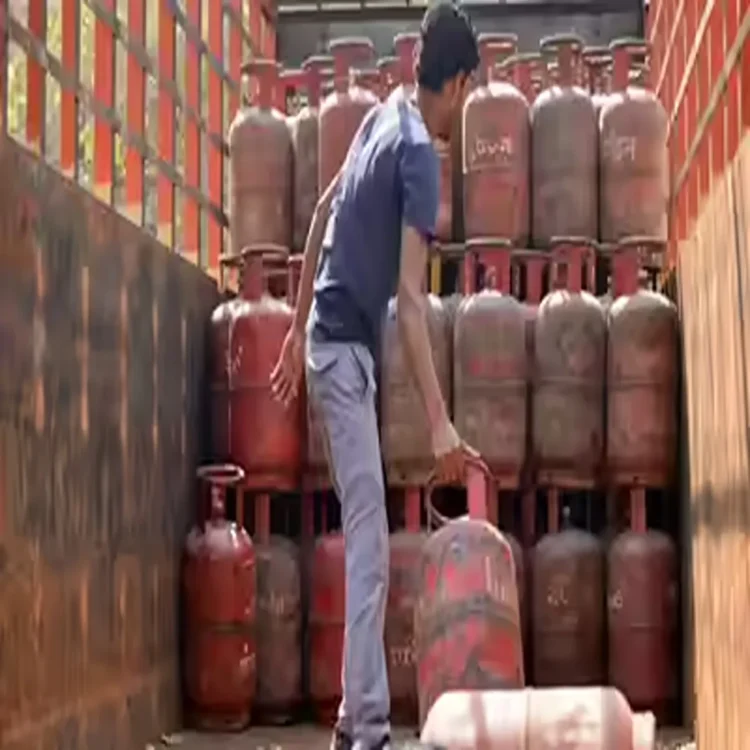
Pakistan is facing a notable increase in LPG prices, with the cost of an 11.67 kg cylinder climbing to between Rs 3,900 and Rs 5,135. This marks a significant jump from the earlier range of Rs 3,150 to Rs 3,968, according to recent data. The surge comes at a time when global energy markets are under strain due to ongoing tensions in West Asia.
Price Surge Strongest in Punjab Cities
Recent figures from the Sensitive Price Index, released by the Pakistan Bureau of Statistics for the week ending March 26, indicate that the most pronounced increases have been recorded across cities in Punjab. The upward trend reflects both international price pressures and local supply challenges.
Consumers in urban and semi-urban areas are already feeling the impact, especially households that rely heavily on LPG for cooking and heating. The rise has further widened the gap between income levels and daily living costs.
Transport Costs Add to Public Burden
The increase in LPG prices has also triggered a rise in fares for privately operated transport services that run on the fuel. This includes rickshaws, minibuses, and small buses commonly used by daily commuters.
For many low- and middle-income residents, these transport options are essential. The fare hikes are therefore placing additional strain on already tight household budgets, particularly for those who depend on daily travel for work and education.
Supply Drop Linked to Regional Factors
One of the contributing factors behind the price spike is a reduction in LPG supply from Iran. Previously, daily imports ranged between 10,000 and 12,000 tonnes, but deliveries have slowed due to holiday-related disruptions during Eid and Nawroz.
At the same time, global LPG prices have been pushed upward by instability in West Asia, affecting shipping routes and overall availability. The combined effect has created a supply-demand imbalance in Pakistan’s domestic market.
Import Dependence Highlights Vulnerability
Industry officials note that Pakistan requires around 2 million tonnes of LPG annually. Of this, approximately 1.2 million tonnes are imported, while the remaining 800,000 tonnes are produced locally by refineries.
Although three vessels carrying about 20,000 tonnes of LPG reached the country in March, these shipments have not been sufficient to stabilize the market. The reliance on imports continues to expose the country to external shocks.
Limited Fuel Reserves Raise Concerns
Recent disclosures to the Senate Standing Committee on Petroleum have highlighted concerns about Pakistan’s energy reserves. Current stock levels indicate that crude oil supplies are sufficient for only 11 days.
Diesel reserves are estimated to last 21 days, petrol for 27 days, LPG for nine days, and jet fuel for around 14 days. These figures underline the fragile nature of the country’s energy security, particularly during periods of global uncertainty.
Middle East Dependence Disrupts Supply Chains
Nearly 70 percent of Pakistan’s petroleum imports originate from the Middle East. Ongoing tensions in the region have disrupted shipping routes, affecting the timely arrival of fuel consignments.
To address the situation, Pakistan is exploring options with Iran to facilitate oil shipments through the Strait of Hormuz. If approved, this route could enable several vessels to transport crude oil to the country.
LNG Shortages May Worsen Situation
Officials have also warned of a potential natural gas shortage in the coming weeks. Of the eight liquefied natural gas (LNG) cargoes expected in March, only two have arrived.
Several shipments scheduled for April are also uncertain, raising the likelihood of a supply gap after mid-April. This could further complicate the energy landscape and increase pressure on alternative fuels like LPG.
The combined impact of rising global prices, reduced imports, and limited reserves suggests that energy challenges may persist in the near term, affecting both consumers and the broader economy.