
Energy – Global Agency Signals Readiness for Further Oil Reserve Release
Energy – The International Energy Agency (IEA) has indicated it stands prepared to release additional oil from global reserves if circumstances demand, as concerns over prolonged instability in the Middle East continue to influence energy markets.
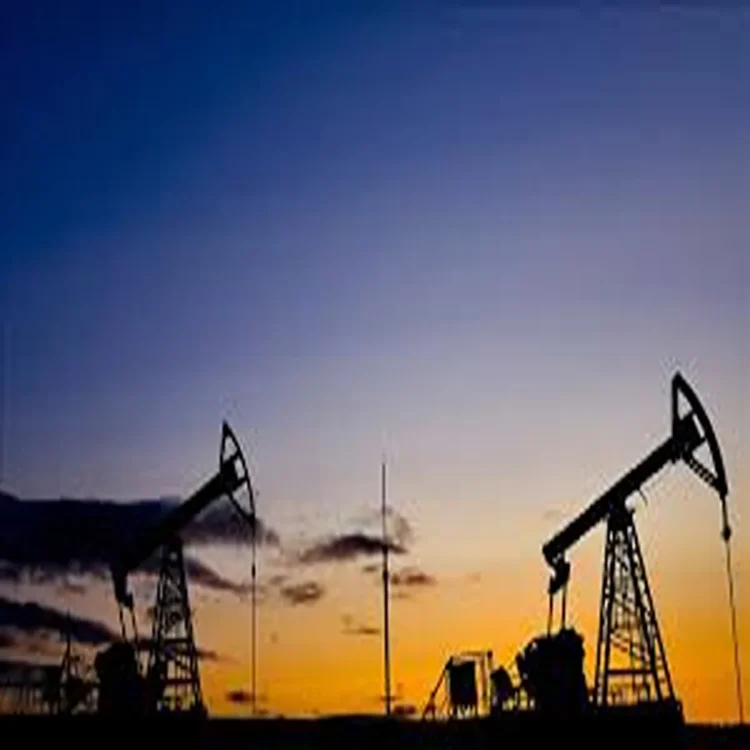
IEA Signals Preparedness Amid Ongoing Uncertainty
Speaking in Tokyo on Wednesday, IEA Executive Director Fatih Birol emphasized that the agency remains vigilant and ready to act if the situation worsens. His remarks followed a request from Japan’s Prime Minister Sanae Takaichi, who urged the organization to stay prepared for another coordinated release of reserves should the conflict persist.
Birol clarified that while contingency plans are in place, the agency hopes such measures will not be required. He noted that maintaining stability in global energy supply remains the IEA’s primary responsibility during periods of geopolitical tension.
Previous Record Release and Remaining Stock Levels
Earlier this month, the IEA coordinated the release of 400 million barrels of oil from member nations’ reserves. This marked the largest such action in the agency’s history, aimed at cushioning the global economy from disruptions linked to the Middle East conflict.
Despite the scale of that move, Birol reassured that a significant portion of emergency reserves remains untouched. According to him, the recent release accounted for only about 20 percent of the total stockpile, leaving the majority still available if further intervention becomes necessary.
This remaining capacity provides the agency with flexibility to respond swiftly should supply shortages intensify or market volatility increase.
Rising Energy Security Concerns
Birol acknowledged that the current global situation presents serious challenges to energy security. The ongoing conflict has heightened fears of supply disruptions, particularly for countries heavily reliant on oil imports from the Middle East.
He reiterated that the IEA is fully committed to fulfilling its role as a stabilizing force in global energy markets. Ensuring reliable access to energy resources, especially during crises, remains central to its mandate.
Japan Takes Precautionary Measures
Japan, which depends on the Middle East for approximately 95 percent of its oil imports, has already begun implementing its own emergency measures. Last week, the country initiated the release of private-sector petroleum reserves equivalent to about 15 days of supply.
In addition, authorities are set to start drawing from government-controlled reserves, further strengthening the country’s preparedness against potential supply disruptions.
Joint Oil Stockpiles Offer Additional Buffer
Tokyo is also planning to utilize joint oil reserves held within the country by major producing nations. These shared stockpiles involve contributions from Saudi Arabia, the United Arab Emirates, and Kuwait, according to the Petroleum Association of Japan.
Under normal conditions, oil stored in these joint reserves is used for commercial purposes. However, in times of crisis, Japanese companies are granted priority access to purchase this oil, providing an additional safety net for domestic supply.
The government aims to initiate the release of these jointly held reserves by the end of the month, further reinforcing its strategy to mitigate risks associated with prolonged geopolitical tensions.
Outlook Remains Cautious
While global authorities continue to monitor developments closely, the situation remains fluid. The IEA’s readiness to deploy additional reserves underscores the seriousness of the current energy landscape, even as officials express hope that such steps may ultimately prove unnecessary.
With substantial reserves still available and coordinated international mechanisms in place, policymakers are working to ensure that markets remain stable and that supply disruptions are minimized in the weeks ahead.