
Energy – Escalating Strikes Raise Concerns Over Gulf Supply Stability
Energy – A senior European military analyst has cautioned that recent attacks on critical energy infrastructure in Iran could significantly heighten tensions across West Asia, with potential consequences for global energy markets and countries reliant on Gulf supplies.
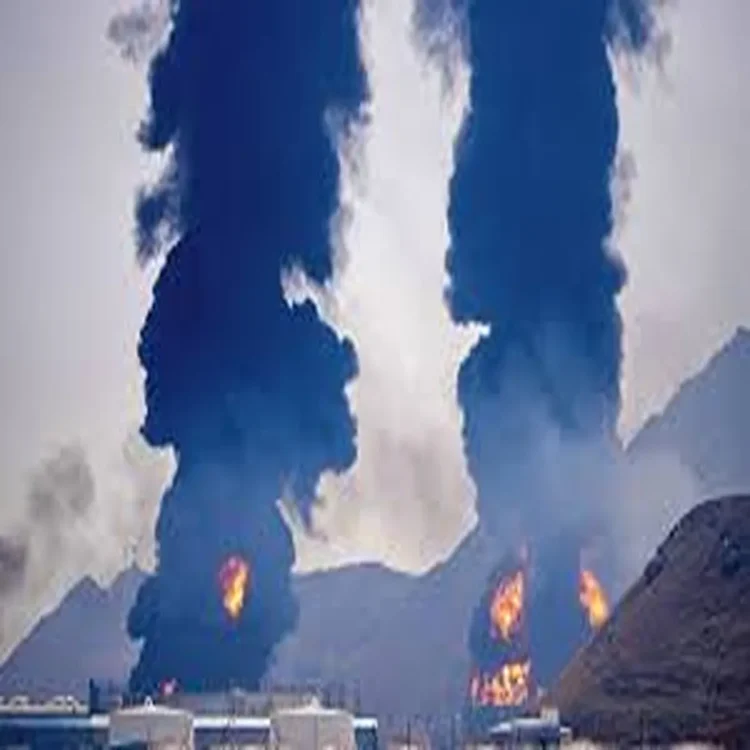
Tom Cooper, an Austrian expert on aerial warfare and military history, expressed concern over the targeting of energy facilities linked to Iran’s South Pars gas field. He described the move as strategically questionable and warned that such actions could invite direct retaliation affecting similar installations in neighboring countries.
Risk of Retaliation Expanding Beyond Iran
According to Cooper, strikes on Iranian energy assets may provoke a broader response that extends beyond Iran’s borders. He suggested that facilities in Qatar, which shares the South Pars gas field with Iran, could become potential targets if the conflict intensifies.
He emphasized that such developments would not remain confined to the immediate region. A disruption involving Qatari energy infrastructure could ripple across global markets, given the country’s central role in supplying liquefied natural gas to multiple nations.
Implications for Energy-Dependent Economies
Cooper highlighted that countries like India could face indirect consequences if supply chains are affected. He pointed out that several nations depend heavily on Qatar not only for natural gas but also for essential inputs such as fertilizers, which are critical for agricultural production.
Any instability in these supply lines could lead to increased costs, supply shortages, and broader economic challenges, particularly for nations with high import dependence.
Iran’s Continued Retaliatory Capabilities
Despite sustained airstrikes by Israel and the United States, Cooper noted that Iran retains the ability to respond effectively. He explained that much of Iran’s military infrastructure is located deep underground, allowing it to withstand repeated attacks.
Describing the operational pattern, he said Iranian forces are capable of clearing damaged launch sites, deploying missiles or unmanned aerial vehicles, and then returning to protected underground facilities. This cycle, he suggested, enables Iran to maintain a consistent level of retaliation.
Military Imbalance and Strategic Resilience
While Cooper acknowledged that Iran faces significant disadvantages in terms of overall military power compared to its adversaries, he stressed that this does not eliminate its capacity to prolong the conflict.
He described Iran’s key military assets as well-protected and strategically positioned, making them difficult to neutralize بالكامل. This resilience, he said, allows Iran to continue exerting pressure despite being outmatched in conventional warfare capabilities.
Uncertain Duration of the Conflict
Cooper concluded that the ongoing situation shows no clear signs of resolution in the near term. The combination of sustained strikes, retaliatory actions, and the involvement of critical infrastructure suggests a prolonged period of instability.
He indicated that as long as both sides continue their current strategies, the conflict could persist, with increasing risks for regional security and global economic stability.