
EducationPolicy – US Lawmakers Propose Federal Plan to Address Teacher Shortages
EducationPolicy – School districts across the United States continue to face mounting difficulties in hiring and keeping qualified teachers, prompting federal lawmakers to introduce new legislation aimed at strengthening the education workforce. A group of members of Congress has proposed a bill designed to support schools through grants, training initiatives, and long-term strategies to recruit and retain educators.
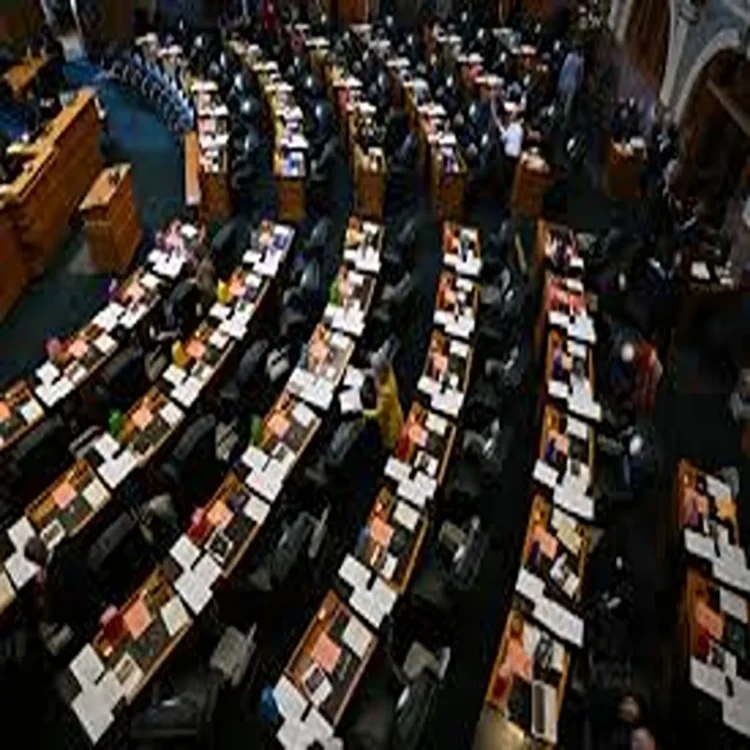
The proposed measure, titled the Addressing Teacher Shortages Act, was introduced by Congresswoman Haley Stevens together with Senator Tina Smith and Congresswoman Jahana Hayes. The bicameral proposal seeks to expand teacher preparation programs and provide additional resources to help school districts meet growing staffing demands.
Addressing a Nationwide Teacher Shortage
Education leaders across the country have warned that schools are struggling to fill teaching roles, particularly in specialized areas such as science, technology, engineering, mathematics, and special education. Many districts report that the shortage has increased workloads for existing teachers while limiting educational opportunities for students.
Supporters of the legislation say the shortage is affecting communities of all sizes. However, smaller and rural districts often face the greatest difficulty attracting qualified educators, leaving some classrooms understaffed or filled by temporary instructors.
Lawmakers backing the proposal argue that strengthening the teaching profession is essential to ensuring that students receive consistent and high-quality education.
Lawmakers Highlight Need for Stronger Teacher Pipeline
Congresswoman Haley Stevens said her support for the bill reflects the vital role teachers play in shaping educational outcomes and community development. She emphasized that expanding training programs and mentorship opportunities could help build a new generation of educators.
Stevens noted that the legislation is intended to create clearer pathways into teaching, particularly for individuals interested in entering the profession through community-based programs. According to her, investments in teacher development can benefit both schools and students for years to come.
Senator Tina Smith echoed these concerns, stating that many districts in Minnesota have repeatedly reported challenges in filling open teaching positions. She pointed out that shortages in technical education, STEM subjects, and special education are especially difficult to address.
Smith said ensuring that schools are fully staffed is critical for student success and that federal support could help districts overcome hiring barriers.
Evidence of Shortages Across Several States
Congresswoman Jahana Hayes also pointed to recent data highlighting gaps in the teaching workforce. She referenced findings from the Connecticut Department of Education, which identified multiple certification areas facing critical shortages, including mathematics and special education.
Hayes emphasized that a lack of qualified teachers can affect classroom instruction and student performance. She said that improving training opportunities and expanding the educator pipeline are key steps toward stabilizing the workforce.
According to Hayes, the legislation aims to encourage more individuals to pursue teaching while also supporting those already working in schools.
Details of the Proposed Federal Grant Program
A central component of the bill is the creation of a competitive federal grant program. Under this initiative, school districts would be able to apply for funding over a five-year period to strengthen recruitment efforts, improve teacher preparation, and develop retention strategies.
The legislation also includes provisions to ensure that under-resourced districts receive guidance when applying for federal support. Additional staffing within the US Department of Education would help communities navigate the application process and access available funding.
Encouraging Future Educators and Retaining Current Teachers
The proposal outlines several initiatives intended to attract students into the teaching profession. For example, it encourages programs that allow university students studying STEM subjects to also complete coursework in education, increasing the likelihood that they may pursue teaching careers.
Support could also be directed toward secondary school programs that introduce students to teaching pathways earlier in their academic journey.
Beyond recruitment, the bill focuses on retaining teachers already in the profession. Measures include improving access to technology for professional development in rural regions, offering additional certification opportunities, and providing structured induction programs for new educators.
Financial support mechanisms are also included in the proposal. These could involve tuition assistance, housing stipends, or financial support for student teachers and early-career educators. Additionally, professional development for school leaders would focus on strategies that improve teacher retention and workplace support.
Education organizations have welcomed the initiative, saying that strengthening the teaching workforce is essential to maintaining stable and effective school systems across the country.