
Diplomacy – US and Iran Prepare for Crucial Islamabad Ceasefire Talks
Diplomacy – The United States and Iran are set to enter critical ceasefire discussions in Islamabad, with both sides facing growing pressure to de-escalate tensions. Despite agreeing to talks, deep mistrust and sharply different expectations continue to define the diplomatic landscape, as reported by leading American media outlets.
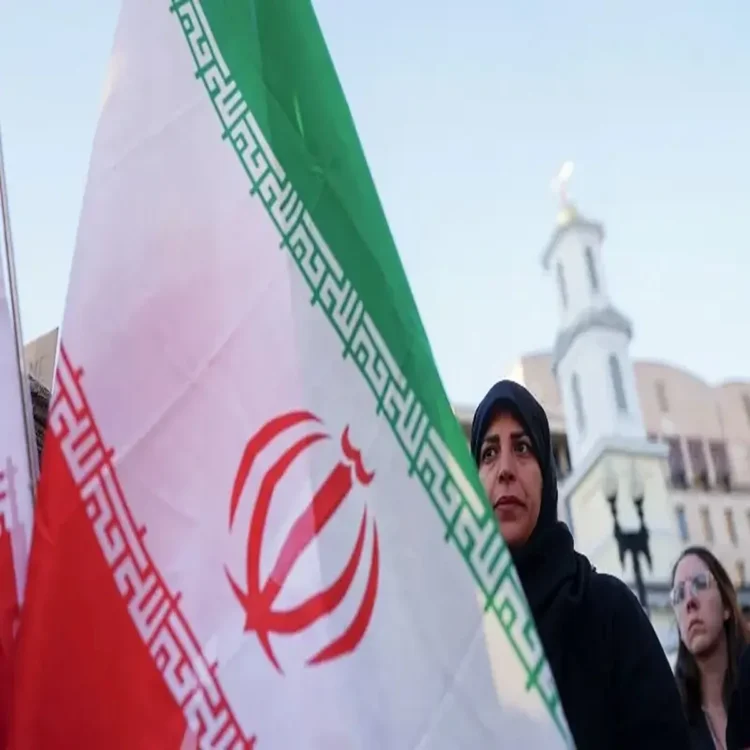
Limited Common Ground Between Both Nations
Reports indicate that Washington and Tehran have little alignment in their positions, aside from a shared urgency to move away from prolonged conflict. Officials on both sides have openly questioned each other’s intentions ahead of the meeting, highlighting the fragile foundation on which these talks are being built.
US President Donald Trump has criticized Iran’s recent proposals, calling them misleading and accusing Tehran of acting dishonestly, particularly over its handling of tanker movement through the Strait of Hormuz. These remarks reflect growing frustration within the US administration over what it perceives as obstructive actions by Iran.
Iran Sets Conditions Before Negotiations
Iran, on the other hand, has outlined firm conditions before engaging fully in discussions. Senior Iranian leadership has emphasized the need to address key issues, including the release of financial assets that have been frozen under sanctions. This demand is seen as a central component of Tehran’s negotiating stance and signals that it is unwilling to make concessions without reciprocal steps.
US Delegation Signals Openness to Dialogue
Leading the American delegation, Vice President J.D. Vance has attempted to strike a more measured tone. He expressed cautious optimism ahead of the talks, stating that constructive engagement remains possible if Iran approaches the process sincerely. His remarks suggest that Washington is open to dialogue, but only under conditions it considers credible and transparent.
Pakistan Steps In as Mediator
Pakistan is hosting the negotiations and has positioned itself as a key facilitator in the process. Prime Minister Shehbaz Sharif has described the upcoming discussions as decisive, underscoring the importance of achieving tangible progress. Islamabad’s involvement highlights its efforts to play a larger diplomatic role, leveraging its relationships with both countries.
Regional Instability Adds Complexity
The broader situation in the region continues to complicate diplomatic efforts. Although a ceasefire has technically been established, ongoing military activity in neighboring areas, particularly involving Israel and Lebanon, has added layers of uncertainty. These developments risk undermining trust and could influence the direction of the talks.
Strait of Hormuz Remains a Major Dispute
One of the most contentious issues is the Strait of Hormuz, a vital route for global oil shipments. Iran has introduced new measures requiring tankers to obtain permission for passage and has imposed additional charges. The United States has strongly opposed these actions, labeling them unacceptable and demanding unrestricted access to the waterway.
The situation has already had economic consequences, with disruptions contributing to rising oil prices and increased volatility in global markets. Control over the strait remains a key point of leverage for Iran, while the US sees its reopening as essential for stability.
Sharp Differences in Negotiation Positions
Significant gaps remain between the two sides on core issues. Iran has firmly rejected US demands to halt its uranium enrichment activities and limit its missile capabilities. Meanwhile, Washington has maintained that any easing of sanctions would depend on a comprehensive agreement, leaving little room for immediate compromise.
Uncertainty Over Format of Talks
It is still unclear whether the discussions will take place face-to-face or through indirect channels. There are indications that Pakistan may act as an intermediary, relaying messages between delegations if direct engagement proves too difficult.
High Stakes for All Parties Involved
For Vice President Vance, the outcome carries political weight, as he has been tasked with leading the negotiations on behalf of the US administration. At the same time, Pakistan’s role reflects its renewed relevance on the global stage, despite ongoing domestic challenges.
The conflict, which escalated earlier this year, has had far-reaching implications, particularly for global energy security. While the current ceasefire offers a temporary pause, its future depends heavily on the success of these talks and the willingness of both sides to find common ground.