
Diplomacy – Trump Signals Urgent Push for Iran War Settlement Talks
Diplomacy – The White House indicated on Monday that the United States is seeking a swift resolution to its ongoing conflict with Iran, with President Donald Trump aiming to secure an agreement within the coming days. Officials suggested that while progress has been made behind the scenes, public statements from both sides may not fully reflect the current state of discussions.
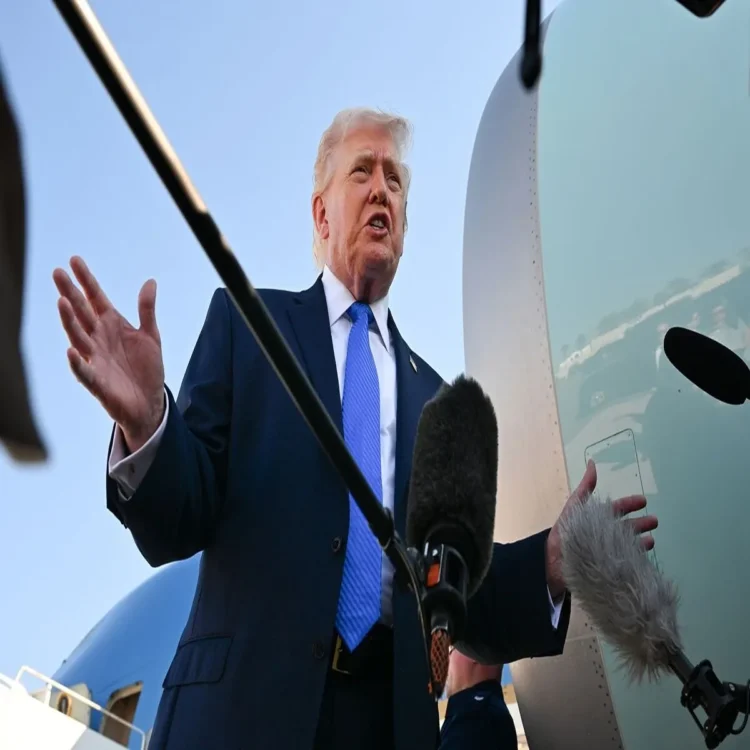
White House Emphasizes Tight Timeline for Agreement
Press Secretary Karoline Leavitt told journalists that the administration has been working within a projected timeframe of four to six weeks for resolving the conflict. According to her, the situation has now reached a critical stage, with roughly a month already passed since the escalation began. She added that the president is now focused on achieving a breakthrough within the next ten days.
Leavitt’s remarks underscored a sense of urgency within Washington, suggesting that diplomatic efforts are entering a decisive phase. While she did not disclose specific details of the negotiations, her comments pointed to ongoing engagement aimed at ending hostilities.
Proposal to Involve Regional Allies in War Costs
During the briefing, Leavitt also revealed that the administration is considering asking Arab nations to contribute financially toward the costs associated with the conflict. She described the idea as one the president is open to pursuing and indicated that further clarity on this proposal could emerge in the near future.
This approach, if implemented, could shift part of the financial burden to regional partners, reflecting a broader strategy to involve allies more directly in managing the consequences of the conflict.
Strong Warnings Issued Over Potential Escalation
Earlier in the day, President Trump issued a stark warning regarding potential military escalation. He stated that key elements of Iran’s infrastructure, including oil export facilities, energy production sites, and other critical assets, could be targeted if a deal is not reached promptly.
In a message shared on social media, Trump described ongoing discussions with what he referred to as a more cooperative leadership within Iran. He claimed that these talks have yielded significant progress so far. However, he also made it clear that failure to finalize an agreement soon could result in severe military action, particularly if strategic waterways such as the Strait of Hormuz are not kept open.
Contrasting Public Statements and Private Negotiations
Leavitt addressed the apparent gap between official Iranian statements and the White House’s account of negotiations. She characterized Iran’s public denial of talks as largely strategic, suggesting that the private exchanges between the two sides tell a different story.
According to her, negotiations are continuing in a constructive manner despite outward disagreements. She emphasized that what is communicated publicly often differs from the discussions taking place through diplomatic channels.
Legal Concerns and Military Assurances
When questioned about the legality of targeting civilian infrastructure, Leavitt maintained that any actions taken by the United States military would adhere strictly to international law. At the same time, she reiterated the administration’s firm stance, warning that the U.S. possesses capabilities far beyond what its adversaries might anticipate.
Her comments reflected a dual message—assurance of lawful conduct alongside a clear signal of military readiness.
Iran’s Response and Regional Implications
Iran, for its part, has continued to reject claims of direct negotiations with Washington. However, reports indicate that Tehran has communicated its response to a proposed ceasefire framework through intermediaries, including Pakistan.
Iranian officials have also issued warnings against any ground operations, stating that they are prepared to respond forcefully. Additionally, Tehran has signaled that any escalation could have broader regional consequences, particularly for countries hosting U.S. military installations.
As diplomatic efforts continue amid rising tensions, the coming days are expected to play a crucial role in determining whether a negotiated settlement can be achieved or if the conflict will intensify further.