
Diplomacy – Trump Signals Reconstruction Role Amid Iran Negotiation Pressure
Diplomacy – US President Donald Trump has indicated that Washington could consider assisting in rebuilding Iran if ongoing negotiations lead to an agreement. At the same time, he issued a strong warning about the consequences of failed talks, highlighting the possibility of extensive damage to critical infrastructure if diplomacy breaks down.
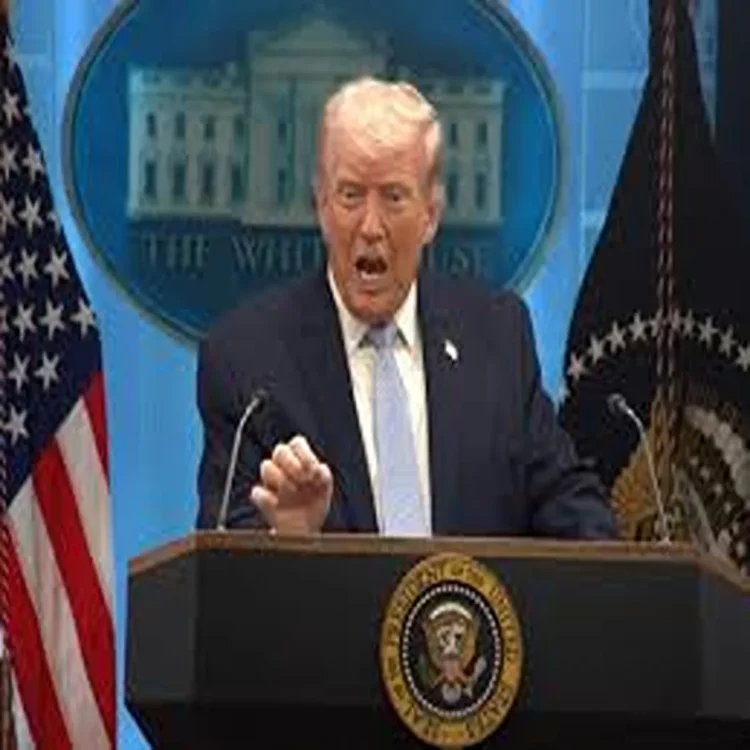
Warning of Severe Consequences
Speaking about the stakes involved, Trump described a scenario in which key infrastructure across Iran could face large-scale destruction if negotiations collapse. He referred to potential strikes targeting bridges and power facilities, suggesting that such actions would significantly disrupt the country’s basic systems. Despite the severity of the warning, he emphasized that this outcome is not what the United States seeks.
Trump acknowledged that rebuilding after such destruction would be a long and difficult process, potentially taking decades. His remarks reflected a clear attempt to underline the seriousness of the situation while keeping the focus on avoiding conflict.
Proposal for Post-Agreement Support
Alongside the warnings, Trump introduced the possibility of US involvement in rebuilding efforts if a deal is successfully reached. He suggested that Washington could play a constructive role in helping Iran recover and develop its infrastructure under a cooperative framework.
This approach signals a dual-track strategy—offering both pressure and incentives. While the threat of military action remains on the table, the idea of reconstruction assistance presents a pathway toward cooperation if diplomatic conditions are met.
Deadline and Negotiation Outlook
The US President also referred to a tight timeline for Iran to respond to American demands, indicating that a decision was expected within a short period. He expressed cautious optimism, noting that there appeared to be engagement from the Iranian side.
According to his remarks, the negotiations involve an active exchange, with both sides participating in discussions. However, the uncertainty surrounding the outcome remains high, given the strong language used alongside the diplomatic overtures.
Strategic Importance of Oil Routes
A key issue highlighted by Trump was the importance of maintaining open access to vital oil shipping routes, particularly the Strait of Hormuz. Ensuring uninterrupted oil flow through this passage was described as a central condition for any agreement.
The Strait of Hormuz is one of the world’s most critical energy corridors, and disruptions there can have significant global economic implications. By emphasizing this point, Trump underscored the broader international stakes tied to the negotiations.
Reports of Escalation Risks
Reports have indicated that the US administration has considered targeting infrastructure such as bridges and power plants if Iran fails to comply with its demands. These developments point to a heightened risk of escalation, even as diplomatic efforts continue.
At the same time, Trump reiterated that military action is not the preferred course. He suggested that if reconstruction were to take place, the United States would aim to avoid unnecessary damage in the first place.
A Complex Diplomatic Strategy
The overall messaging reflects a strategy often described as coercive diplomacy—combining the threat of force with potential incentives for cooperation. This approach aims to push negotiations forward while keeping multiple options open.
Historically, US involvement in rebuilding efforts across the Middle East has produced mixed results, often requiring long-term commitments and facing significant challenges. The mention of a similar role in Iran suggests that policymakers may be preparing for a range of possible scenarios.
Preparing for Multiple Outcomes
Trump’s statements indicate that Washington is considering both conflict and cooperation as potential paths ahead. While the immediate focus remains on negotiations, the possibility of reconstruction support highlights a broader strategic outlook.
As discussions continue, the balance between pressure and diplomacy will likely play a decisive role in shaping the outcome. Whether the situation moves toward agreement or escalation remains uncertain, but the implications are expected to be far-reaching.