
Diplomacy – Quiet negotiations shape Trump’s pause on Iran strikes
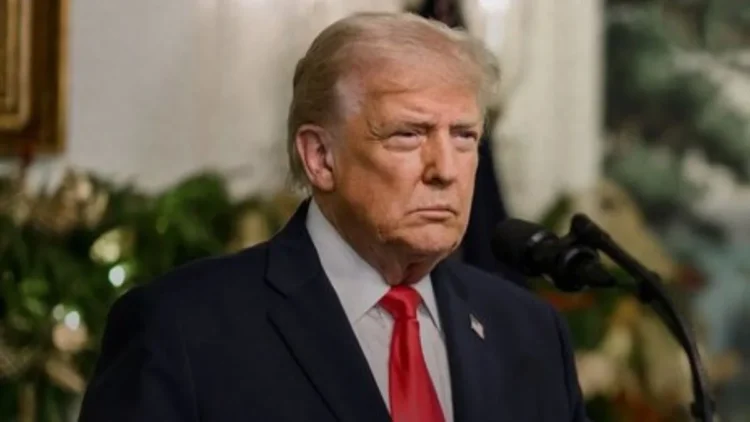
Diplomacy – A network of discreet diplomatic efforts appears to have played a significant role in influencing former US President Donald Trump’s decision to hold back on planned military strikes against Iran, according to multiple international media reports.
Backchannel diplomacy gains momentum
Officials from several countries, including Egypt, Saudi Arabia, Turkey, and Pakistan, were reportedly engaged in behind-the-scenes discussions aimed at preventing further escalation. These talks, conducted away from public scrutiny, focused on finding a path to reduce tensions at a critical moment.
While these reports have drawn attention, the White House declined to comment on the specifics. Press Secretary Karoline Leavitt stated that such matters involve sensitive diplomacy and emphasized that the United States does not conduct negotiations through the media.
Deadline pressure raises regional concerns
The diplomatic push coincided with the final hours of a 48-hour ultimatum issued by Trump, demanding that Iran reopen the strategically vital Strait of Hormuz. The warning had heightened concerns across the region, with fears growing over possible strikes targeting Iranian infrastructure.
Amid this uncertainty, regional actors intensified their efforts to establish communication channels with Iranian authorities. Arab officials reportedly sought direct or indirect contact with key figures in Tehran to explore options for a temporary de-escalation.
Intelligence channels and mediation efforts
Egypt played a notable role by initiating contact through its intelligence services. Reports suggest that Egyptian officials managed to establish a communication link with Iran’s Islamic Revolutionary Guard Corps, an influential entity in the country’s military and political structure.
At the same time, Oman continued its longstanding role as a mediator in regional conflicts. The country’s foreign minister confirmed that efforts were underway to ensure safe navigation through the Strait of Hormuz, signaling a broader attempt to stabilize the situation and prevent disruptions to global trade routes.
Indirect communication between US and Iran
According to additional reports, messages were exchanged between the United States and Iran through intermediaries. However, there was no confirmation of direct negotiations between the two sides. Iranian officials have publicly denied that any formal talks are currently taking place.
Despite the absence of direct engagement, the use of intermediaries reflects a cautious approach by both sides, allowing communication without committing to official dialogue.
Regional stakes remain high
Countries in the Gulf region have expressed growing concern about the potential consequences of further escalation. With critical infrastructure and shipping routes at risk, these nations are actively encouraging restraint and dialogue.
The situation underscores the fragile balance in the region, where even limited conflict could have widespread economic and security implications.
Key disagreements persist
Despite ongoing diplomatic activity, significant differences remain between Washington and Tehran. Core issues such as Iran’s nuclear programme and demands for security guarantees continue to pose major obstacles to any comprehensive agreement.
Reports indicate that mediators are not optimistic about an immediate breakthrough, given the complexity of the issues involved and the lack of trust between the two sides.
Possibility of neutral ground talks
There have also been early discussions about the possibility of holding meetings in neutral locations, including Pakistan or Turkey. However, no official confirmation has been made regarding such plans.
Meanwhile, US envoys Steve Witkoff and Jared Kushner are said to be actively involved in outreach efforts, coordinating with regional partners to explore diplomatic options.
As the situation evolves, the emphasis on quiet diplomacy highlights the importance of dialogue in preventing further escalation, even as uncertainties continue to shape the broader geopolitical landscape.