
Denver Construction: Five-Alarm Inferno at Site Sparks Massive Emergency Response
Denver Construction: A major fire incident unfolded at an apartment construction site in Denver, Colorado, drawing one of the largest emergency responses the city has seen in recent years. The blaze escalated rapidly into a five-alarm fire, forcing evacuation alerts, injuring a firefighter, and causing extensive damage to a large residential project that was still under development. The incident highlighted the unique risks associated with fires at unfinished construction sites and raised concerns about safety measures during early building phases.
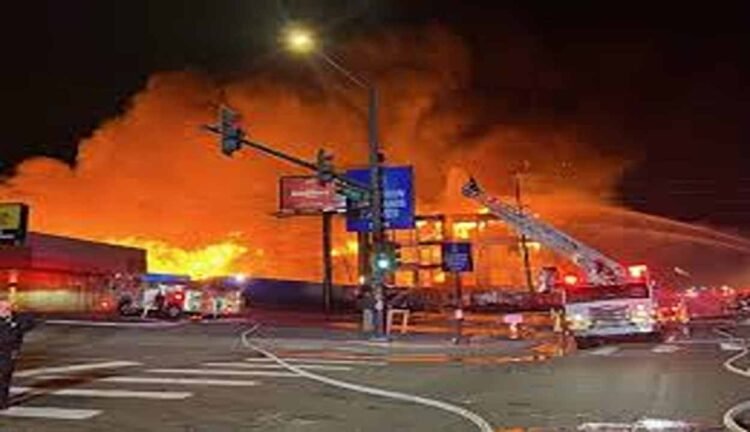
Incident Overview and Timeline
The fire was first reported at approximately 6:45 p.m. local time on Friday evening. According to officials from the Denver Fire Department, the affected structure was a 283-unit apartment complex that was in the early to mid-stages of construction. At this phase, the building primarily consisted of wooden framing along with plastic materials used for wrapping and temporary construction purposes. These materials are highly combustible and can significantly accelerate the spread of fire once ignited.
Within a short period, the flames intensified and spread across a large portion of the site, overwhelming initial firefighting efforts. Due to the speed and scale of the blaze, additional alarms were triggered, eventually categorizing the incident as a five-alarm fire.
Firefighting Response and Scale of Operations
As the situation escalated, at least 100 firefighters were dispatched to the scene. Crews faced extremely challenging conditions, including intense heat, heavy smoke, and rapidly spreading flames. Fire department officials stated that teams focused primarily on containment and exposure protection, aiming to prevent the fire from spreading to nearby buildings and residential areas.
A division chief from the fire department confirmed that the fire covered nearly an entire city block. The absence of internal fire barriers, commonly known as fire stops, meant that the flames encountered little resistance as they moved from one end of the structure to the other. Ladder trucks were deployed, and large volumes of water were sprayed continuously in an effort to bring the situation under control.
Injuries and Human Impact
During the course of firefighting operations, one firefighter sustained injuries while battling the blaze. The injured responder was transported to a nearby hospital for treatment. Authorities later confirmed that the injuries were not life-threatening, but the incident underscored the dangers faced by emergency personnel in large-scale fires.
It remained unclear whether construction workers were present at the site when the fire initially broke out. Investigators continued to examine this aspect as part of the ongoing inquiry into the cause and circumstances of the incident. Information shared with media outlets such as ABC News and reported by Xinhua News Agency helped provide early details to the public.
Evacuations and Community Safety Measures
As a precautionary measure, authorities issued evacuation orders covering two city blocks surrounding the construction site. Residents were advised to leave the area temporarily due to the risk posed by falling debris, thick smoke, and the potential for the fire to spread further.
Emergency alerts were sent out promptly, and local law enforcement assisted in securing the perimeter. Fortunately, no civilian injuries were reported, and nearby structures were successfully protected from major damage due to coordinated containment efforts.
Construction Site Vulnerabilities
One of the key factors contributing to the rapid spread of the fire was the absence of permanent safety installations. The apartment complex did not yet have drywall or insulation in place, both of which can help slow the movement of flames. In addition, critical fire protection systems such as sprinklers had not been installed at this stage of construction.
Fire officials explained that unfinished buildings are particularly vulnerable because they lack compartmentalization. Once a fire starts, it can travel unchecked through open framing, especially when fueled by exposed wood and synthetic materials.
Ongoing Operations and Aftermath
Firefighting efforts continued for several hours into the night. By around midnight, officials reported that the fire was largely under control, although it had not been fully extinguished. Firefighters remained on-site overnight to monitor and suppress remaining hot spots to prevent reignition.
Visual footage from local media showed dramatic scenes of towering flames and dense smoke illuminated against the night sky, visible from several kilometers away. Interviews with officials, including comments shared with CBS News, emphasized the scale of destruction and the complexity of managing such a large incident.
Understanding a Five-Alarm Fire
In the United States, a five-alarm fire typically represents the highest level of emergency response. This designation indicates a catastrophic event that requires extensive manpower, specialized equipment, and coordination across multiple units. Such fires are rare and often involve large commercial or residential structures, industrial sites, or densely populated areas.
The Denver incident serves as a reminder of the importance of strict safety protocols at construction sites and the need for rapid, well-coordinated emergency responses when disasters strike.