
Defence – US and India Strengthen Air Force Cooperation in Indo-Pacific Talks
Defence – The United States and India have reaffirmed their commitment to deepening defence ties, with a particular focus on air force collaboration, interoperability, and regional security in the Indo-Pacific.
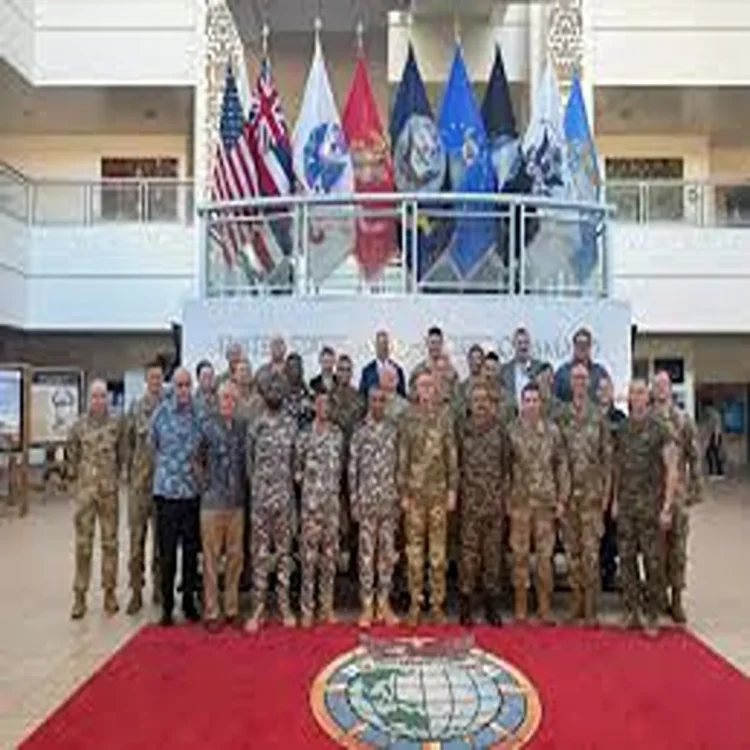
High-Level Visit Reinforces Bilateral Defence Ties
Senior military leaders from both countries held detailed discussions during an official visit by Indian Air Force Chief Air Chief Marshal Amar Preet Singh to the United States on April 8. The visit was hosted by US Air Force Chief of Staff Gen. Kenneth Wilsbach and included formal engagements at Joint Base Anacostia-Bolling as well as meetings at the Pentagon.
Air Chief Marshal Singh was accorded a ceremonial welcome before participating in high-level talks with senior US defence officials, including Secretary of the Air Force Troy Meink. The meetings highlighted the growing importance both nations place on their defence partnership.
Focus on Indo-Pacific Security and Cooperation
During the discussions, US officials underlined that cooperation with India remains a key pillar in maintaining stability across the Indo-Pacific region. They described the partnership as essential to ensuring the region remains open, secure, and economically vibrant.
Gen. Wilsbach commended India’s active involvement in multinational military exercises and noted that continued collaboration with allied nations would play a crucial role in strengthening deterrence capabilities across the region.
Expanding Training and Modernisation Efforts
A major part of the talks centred on enhancing training exchanges and advancing modernisation initiatives. Both sides explored opportunities to expand joint exercises and improve operational coordination between their air forces.
Gen. Wilsbach emphasised the value of these engagements, stating that discussions covered future training programs, modernisation priorities, and shared strategic goals. He also reiterated the US Air Force’s readiness to support India’s ongoing efforts to upgrade its capabilities.
Discussions on Advanced Defence Platforms
The two sides also reviewed progress related to India’s planned acquisition of MQ-9B Sky Guardian drones. US officials assured continued support to ensure that the Indian Armed Forces can effectively integrate and operate the platform once it is delivered.
In addition, the talks highlighted the potential for closer cooperation in defence manufacturing and technology sharing, which both countries see as mutually beneficial.
Operational Collaboration and Staff-Level Engagements
Following the high-level meetings, staff-level discussions were held to address specific operational areas. These included cooperation under the National Guard Bureau’s State Partnership Program and advanced training initiatives conducted by the Air National Guard.
Officials also discussed full-spectrum operations involving MQ-9 platforms, as well as specialised training at advanced airlift centres. These engagements are expected to further strengthen coordination and operational readiness between the two air forces.
Visit to Key US Military Facilities
As part of his visit, Air Chief Marshal Singh travelled to Peterson Space Force Base in Colorado, where he received briefings on the North American Aerospace Defense Command’s mission. The briefing covered aerospace and maritime warning systems critical to North American security.
He also visited Nellis Air Force Base in Nevada, where he attended sessions at the US Air Force Warfare Center. During the visit, he participated in a familiarisation flight aboard an F-15EX Eagle II aircraft, gaining firsthand insight into advanced combat capabilities.
Strengthening Strategic Partnership
Air Chief Marshal Singh highlighted the importance of such interactions in enhancing joint capabilities and deepening strategic ties. He noted that regular engagements between the two forces are vital for building interoperability and preparing for shared security challenges.
The visit reflects a broader effort by both nations to align their defence strategies and strengthen cooperation in response to evolving regional dynamics. As both countries continue to expand their partnership, such exchanges are expected to play a key role in shaping future defence collaboration.