
CounterNarcotics – US Airstrike Targets Suspected Drug Vessel in Caribbean
CounterNarcotics – At least three individuals suspected of involvement in drug trafficking were killed on Friday after a United States military aircraft struck a vessel in the Caribbean Sea. The operation, confirmed by US Southern Command, marks the latest in a series of maritime security actions aimed at disrupting narcotics networks operating across regional waters.
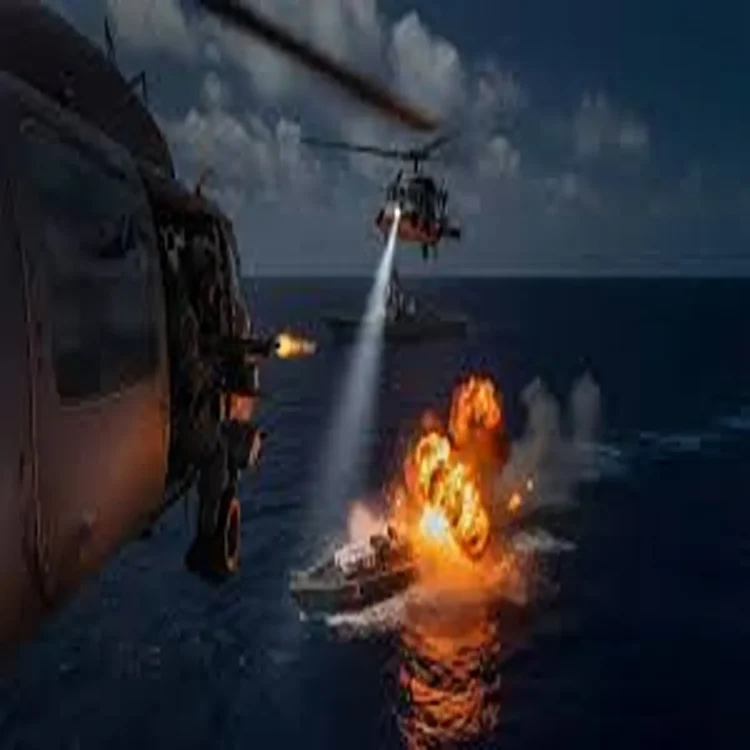
Operation Conducted Under Southern Command Authority
According to a statement issued by United States Southern Command, the strike was carried out under the direction of its commander, Gen. Francis L. Donovan. The mission was executed by Task Force Southern Spear, which conducted what officials described as a “lethal kinetic strike” against a boat allegedly linked to designated terrorist organizations involved in drug trafficking.
Military officials stated that intelligence assessments had tracked the vessel as it moved along established narcotics transit corridors in the Caribbean. These routes are frequently monitored by US and partner forces due to their use by trafficking groups transporting illicit substances toward North America and other destinations.
Intelligence Assessment and Casualties
In its official release, Southern Command said the targeted vessel was actively engaged in narcotics operations at the time of the strike. Three individuals described as “narco-terrorists” were reported killed during the operation. The statement emphasized that no US service members were injured or otherwise affected.
The military did not provide further operational details, including the type of aircraft involved, the precise location of the incident, or whether any narcotics were recovered following the strike. Officials also did not release independent verification or visual evidence related to the action.
Broader Pattern of Maritime Strikes
The latest operation comes amid an increase in reported US military actions targeting suspected drug trafficking vessels in the eastern Pacific and Caribbean Sea. According to figures cited by Al Jazeera, at least 37 strikes have been conducted in these waters since September 2025. Those operations have reportedly resulted in the deaths of at least 130 individuals.
Earlier this week, a separate strike in the region led to the deaths of two people. As in previous incidents, US authorities characterized the action as part of a broader counter narcotics effort intended to disrupt transnational criminal organizations.
While US officials maintain that these missions are guided by intelligence and conducted in accordance with international law, detailed evidence supporting specific allegations has not been made public in most cases. Independent confirmation of casualty figures and identities remains limited.
Ongoing Security and Policy Questions
The escalation of direct military action against suspected trafficking vessels has drawn attention from regional observers and international analysts. The Caribbean and eastern Pacific remain critical corridors for the movement of illicit drugs, particularly cocaine, toward global markets. US defense and law enforcement agencies have long coordinated maritime patrols and joint operations with partner nations to address the issue.
However, the increasing reliance on airstrikes represents a more forceful approach compared with traditional interdiction and seizure operations. Legal experts note that such actions raise complex questions related to jurisdiction, rules of engagement, and transparency.
Southern Command reiterated in its statement that the operation was carried out to counter organizations it designates as threats to regional stability and security. No additional information was released regarding follow-up actions or potential investigations.
As maritime security operations continue, officials are expected to face ongoing scrutiny over the balance between counter narcotics enforcement and the protection of civilian life in international waters.