
Conflict – Tensions Rise as Missiles Reported After US-Iran Ceasefire Deal
Conflict – Just hours after a temporary ceasefire was announced between the United States and Iran on April 7, fresh tensions appeared to emerge across parts of West Asia. Reports indicated that missiles were launched from Iran towards multiple locations, including Israel and several Gulf countries, raising concerns about the stability of the agreement.
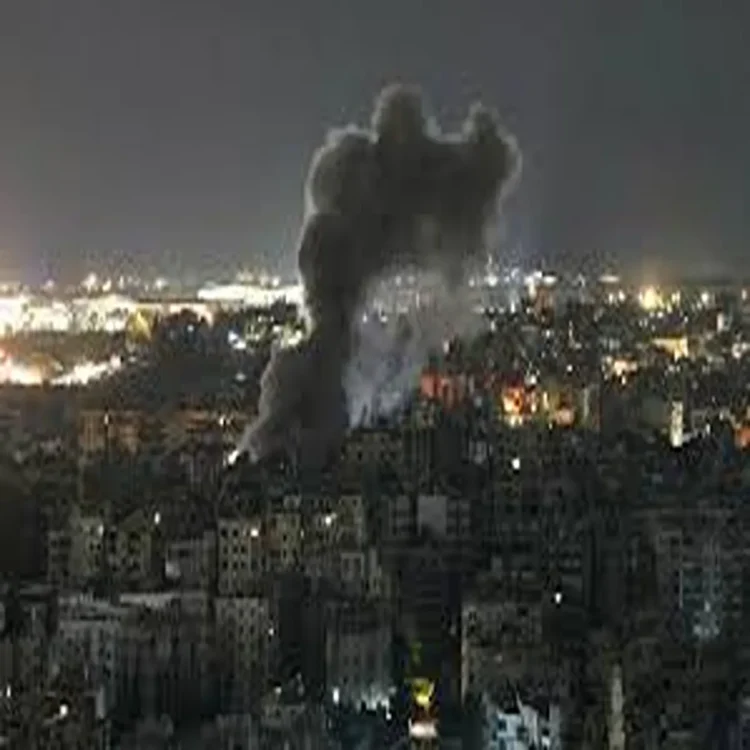
Missile Alerts Reported Across Multiple Regions
According to regional media reports, warning sirens were activated in several cities across Israel following suspected missile launches. Defence officials stated that air defence systems were deployed in response, particularly in northern and coastal areas. Cities such as Haifa and nearby towns reportedly experienced alert signals as authorities worked to assess and intercept potential threats.
At the same time, alerts were also reported in parts of the Gulf region. Authorities in the United Arab Emirates confirmed that their air defence systems were actively responding to aerial threats, including missiles and unmanned aerial vehicles. Residents in some areas reported hearing loud sounds, which officials attributed to defensive interception operations.
Ceasefire Agreement and Its Conditions
The developments came shortly after US President Donald Trump announced a temporary halt in military action against Iran. The decision followed diplomatic engagement and requests from regional leaders, including officials from Pakistan, aimed at reducing immediate hostilities.
Under the agreement, both sides committed to a two-week pause in military operations. The arrangement was described as a reciprocal ceasefire intended to create space for further negotiations. US officials indicated that many of their strategic objectives had already been achieved, allowing room for diplomatic progress.
Iran’s leadership also acknowledged the arrangement. Statements attributed to senior officials suggested that while military units had been instructed to suspend offensive actions, the broader conflict was not considered resolved. This messaging reflected a cautious approach, balancing compliance with continued preparedness.
Ongoing Diplomatic Efforts
Iran’s Supreme National Security Council reportedly agreed to continue discussions with the United States, with further talks expected to take place in Islamabad. Officials indicated that proposals exchanged between the two sides could serve as a framework for a more permanent understanding.
Iran’s foreign ministry also confirmed that maritime activity through the Strait of Hormuz would remain open during the ceasefire period, though under Iranian oversight. This assurance was seen as a significant step, given the strategic importance of the waterway for global energy supplies.
Uncertainty Over Ceasefire Stability
Despite the agreement, the reported missile activity has raised questions about how firmly the ceasefire is being implemented on the ground. While some officials suggest the situation may involve isolated actions or defensive responses, others view it as a sign of ongoing volatility in the region.
The United States has expressed optimism about reaching a longer-term peace arrangement, citing progress on several key issues that had previously stalled negotiations. However, analysts note that the coming days will be critical in determining whether the pause in hostilities can hold and lead to a lasting resolution.
For now, countries across West Asia remain on high alert, closely monitoring developments as diplomatic and military dynamics continue to evolve.