
Conflict – Rising Regional Tensions After Fresh Strikes in Middle East
Conflict – A new wave of violence across the Middle East has intensified tensions, with multiple countries reporting casualties and damage following a series of coordinated strikes and retaliatory actions.
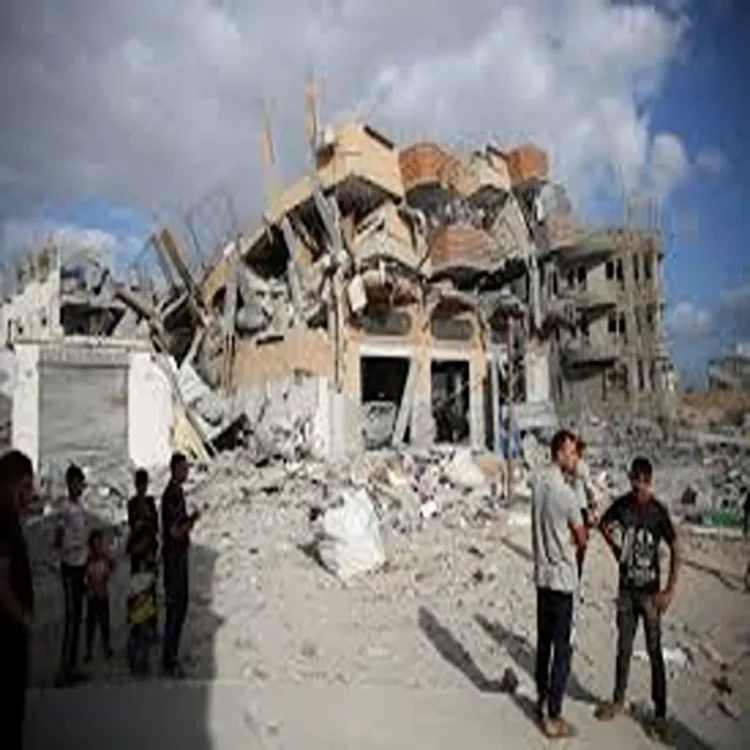
Civilian Areas Hit as Strikes Continue in Iran
Over the span of Sunday and Monday, more than 25 people were reported dead in Iranian cities after strikes linked to US-Israeli military operations. Residential neighborhoods in Tehran were among the areas affected, with local media indicating that several buildings suffered significant damage.
Iran’s state broadcaster reported disruptions to gas supplies in parts of the capital after a university facility was struck. Authorities described the attacks as targeting infrastructure tied to government operations, though the impact on civilian areas has drawn concern.
Tehran Issues Warning Amid Escalating Conflict
In response, Iranian officials warned of stronger retaliation if attacks continue to hit non-military targets. A statement from the Khatam al-Anbiya Central Headquarters indicated that future operations could become broader and more severe if civilian infrastructure remains under threat.
The warning came as tensions rose over control of the Strait of Hormuz, a vital global oil route. Iran has increased its military posture in the region, raising concerns among neighboring Gulf countries.
US Signals Pressure Over Strategic Waterway
US President Donald Trump appeared to set a deadline for Iran to ease its position regarding the Strait of Hormuz, suggesting serious consequences if no agreement is reached. While an earlier message hinted at imminent action, a later update suggested a brief extension without providing detailed clarification.
In media remarks, Trump indicated that failure to reach a deal could result in extensive military measures, underscoring the seriousness of the situation.
Israeli Operations Extend to Lebanon
Beyond Iran, Israeli airstrikes also targeted locations in Lebanon, where at least 15 people were killed and dozens injured on Sunday, according to Lebanese officials.
In Beirut, one strike in the Jnah area resulted in multiple casualties, while another attack in Ain Saadeh hit a residential building. Additional strikes in southern Lebanon, including Kfar Hatta, caused further fatalities, including that of a young child.
These developments highlight the widening scope of the conflict beyond a single front.
Missile Strikes Impact Northern Israel
Iranian missile attacks also reached northern Israel, with Haifa among the cities affected. A residential building suffered a direct hit, resulting in two deaths and several injuries. Rescue teams continued searching for individuals believed to be trapped under debris.
Emergency services reported that among the injured was an infant and an elderly man, both requiring medical attention. Structural damage to the building was described as severe, with parts of it collapsing בעקבות the impact.
Gulf Countries Report Interceptions and Damage
The situation has also affected Gulf nations, including the United Arab Emirates and Kuwait, where missile and drone threats were reported. Air defense systems intercepted several incoming threats, though falling debris caused injuries in Abu Dhabi’s industrial zone.
Officials confirmed that one person sustained moderate injuries after debris struck a facility in the Musaffah area. In Sharjah, authorities also responded to an incident involving a port area targeted earlier.
Regional Situation Remains Volatile
The continuing exchanges between Iran, Israel, and other regional actors suggest a rapidly evolving security situation. Civilian casualties, infrastructure damage, and threats to critical trade routes have raised international concern.
Diplomatic efforts remain uncertain as military actions continue to shape developments on the ground. Observers note that any further escalation could have broader implications for global energy supplies and regional stability.