
Conflict – Pakistan and Afghanistan Announce Eid Truce Amid Rising Tensions
Conflict – Pakistan and Afghanistan have agreed to a short-term halt in hostilities during the upcoming Eid-ul-Fitr festival, following diplomatic outreach from Saudi Arabia, Turkey and Qatar. The announcement comes at a time when relations between the two neighbours remain strained after serious allegations of a deadly strike in Kabul.
Temporary Pause Linked to Eid Observance
Pakistan’s Information Minister Ataullah Tarar confirmed the decision through a public statement, noting that the pause was initiated both independently and in response to appeals from allied Islamic nations. The suspension of military activity is scheduled to begin at midnight between March 18 and 19 and continue until midnight between March 23 and 24.
He clarified that the pause applies to the ongoing Operation Ghazab-lil-Haq. However, Pakistan has made it clear that any violation, including cross-border incursions, drone attacks or acts of terrorism within its territory, would lead to an immediate resumption of operations.
Afghanistan Signals Conditional Cooperation
Soon after Pakistan’s declaration, Afghanistan’s government also indicated its willingness to observe a similar pause. Spokesperson Zabiullah Mujahid stated that Afghan security forces would temporarily halt defensive operations during Eid in line with the same international appeals.
Despite this gesture, Afghan authorities emphasized that the ceasefire is conditional. Mujahid warned that any form of aggression would be met with a firm and immediate response, underscoring Kabul’s readiness to defend its sovereignty if required.
Allegations of Deadly Strike Intensify Dispute
The announcement of the truce follows a sharp escalation in tensions after Afghanistan accused Pakistan of carrying out a major attack in Kabul earlier in the week. According to Afghan officials, the strike targeted a drug rehabilitation facility, leading to significant casualties.
Deputy spokesman Hamdullah Fitrat claimed that at least 400 people lost their lives in the incident, while approximately 250 others were injured. These figures, if confirmed, would mark one of the most severe incidents in recent months between the two countries.
Pakistan has not publicly acknowledged responsibility for the alleged attack, and independent verification of the claims remains limited.
Public Mourning and Strong Reactions in Kabul
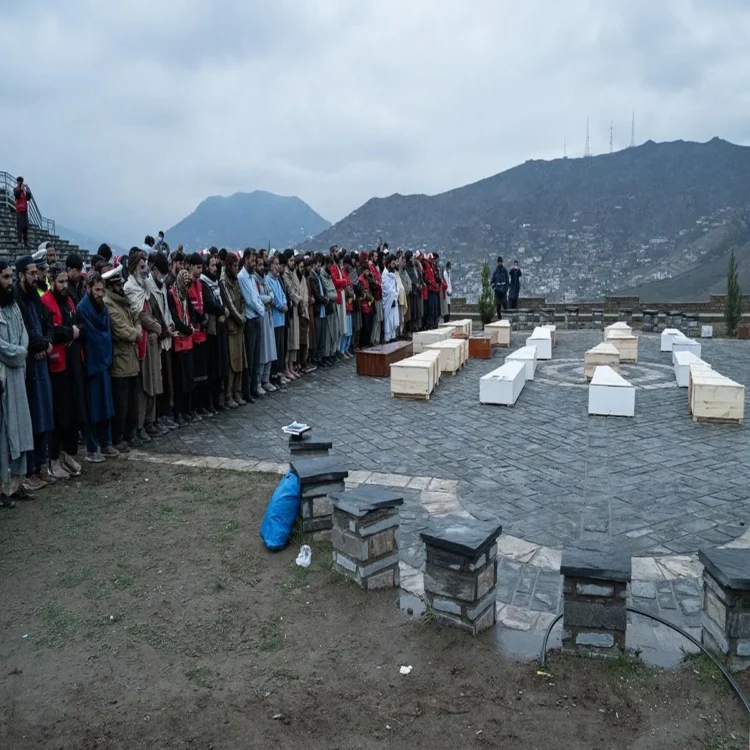
On Wednesday, Afghan authorities organized a large-scale funeral ceremony for those who were reportedly killed in the strike. The event drew widespread attention within the country and highlighted the depth of public grief and anger.
During the gathering, Interior Minister Sirajuddin Haqqani strongly condemned the incident, describing it as an act that violated both humanitarian values and Islamic principles. His remarks reflected the broader sentiment within Afghanistan’s leadership regarding the seriousness of the allegations.
Fragile Calm Amid Ongoing Uncertainty
While the Eid truce offers a temporary window for de-escalation, the situation along the Pakistan-Afghanistan border remains tense. Both sides have indicated that their commitment to the pause depends on mutual restraint.
Diplomatic observers note that although the involvement of regional partners such as Saudi Arabia, Turkey and Qatar has helped secure this brief ceasefire, deeper issues between the two countries remain unresolved.
The coming days will likely determine whether the pause leads to broader dialogue or whether hostilities resume once the Eid period concludes.