
Conflict – Global Leaders Urge Immediate Halt to Escalating Middle East Violence
Conflict – United Nations Secretary-General Antonio Guterres has delivered a strong appeal for an immediate cessation of hostilities in the Middle East, warning that the situation risks spiraling beyond control and inflicting severe consequences on civilians and the global economy.
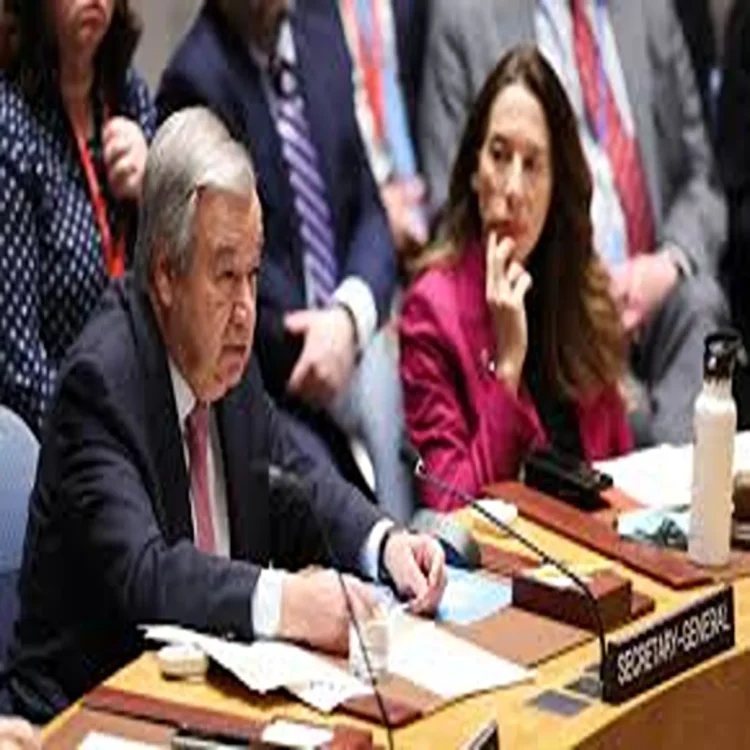
UN Chief Calls for Urgent End to Fighting
In a public statement shared on social media, Guterres emphasized the urgent need for restraint from both the United States and Israel. He cautioned that the ongoing conflict is intensifying human suffering and could have far-reaching economic repercussions, particularly for vulnerable nations.
According to the UN chief, the continuation of military actions threatens not only regional stability but also the livelihoods of millions worldwide. He underscored that prolonged conflict could deepen economic inequalities, especially in less developed countries already facing fragile conditions.
Warning Issued to Iran Over Regional Attacks
Guterres also addressed Iran directly, urging it to halt attacks on neighboring countries that are not directly involved in the conflict. He noted that such actions have been condemned by the United Nations Security Council, which has called for an immediate stop to these operations.
Particular concern was raised over disruptions linked to the Strait of Hormuz, a critical global shipping route. The Secretary-General warned that any prolonged obstruction in this region could significantly affect energy supplies and disrupt international trade, impacting ordinary people far removed from the conflict itself.
He stressed the importance of adhering to international law, stating that diplomacy must take precedence over military escalation. His remarks highlighted the need for collective global efforts to prevent further deterioration of the situation.
France Pushes for De-escalation and Civilian Protection
French President Emmanuel Macron echoed similar concerns, advocating for immediate steps to reduce tensions. He called for a temporary halt to strikes targeting civilian infrastructure, particularly facilities related to water and energy.
Macron emphasized that protecting essential services is crucial to safeguarding civilian lives. He also pointed out the importance of ensuring safe and uninterrupted navigation in key maritime routes, which are vital for global trade and energy distribution.
Referring to ongoing religious observances in the region, Macron urged all parties to exercise restraint. He suggested that this period offers an opportunity to pause hostilities and create space for meaningful diplomatic dialogue aimed at achieving a lasting resolution.
UK Condemns Attack on Energy Infrastructure
British Prime Minister Keir Starmer strongly criticized a recent Iranian strike on a gas facility in Qatar, describing it as unacceptable. He reiterated the United Kingdom’s commitment to working towards a swift and peaceful resolution to the crisis.
Starmer highlighted the broader implications of the conflict, noting that continued instability in the Middle East directly affects global energy prices and contributes to rising living costs. He stressed that ending the conflict is essential not only for regional peace but also for economic stability worldwide.
Growing Global Consensus for Diplomacy
Statements from international leaders reflect a growing consensus on the urgent need for de-escalation. There is increasing concern that continued aggression could trigger a wider crisis, affecting global supply chains, energy markets, and humanitarian conditions.
The calls for restraint also emphasize restoring freedom of navigation in critical waterways and protecting civilian infrastructure. These measures are seen as essential first steps toward reducing tensions and opening pathways for negotiations.
As diplomatic efforts intensify, the international community appears united in its message: sustained dialogue and adherence to international norms are crucial to preventing further escalation and ensuring long-term stability in the region.