
CollegeSports – Trump Signals Executive Order to Address Rising Costs in US College Athletics
CollegeSports – US President Donald Trump has indicated that his administration is preparing a broad executive order aimed at addressing mounting financial and regulatory challenges within American college sports. Speaking during a policy discussion at the White House, Trump said the measure could be issued within a week as concerns grow over escalating payments to student-athletes and ongoing legal disputes affecting universities across the country.
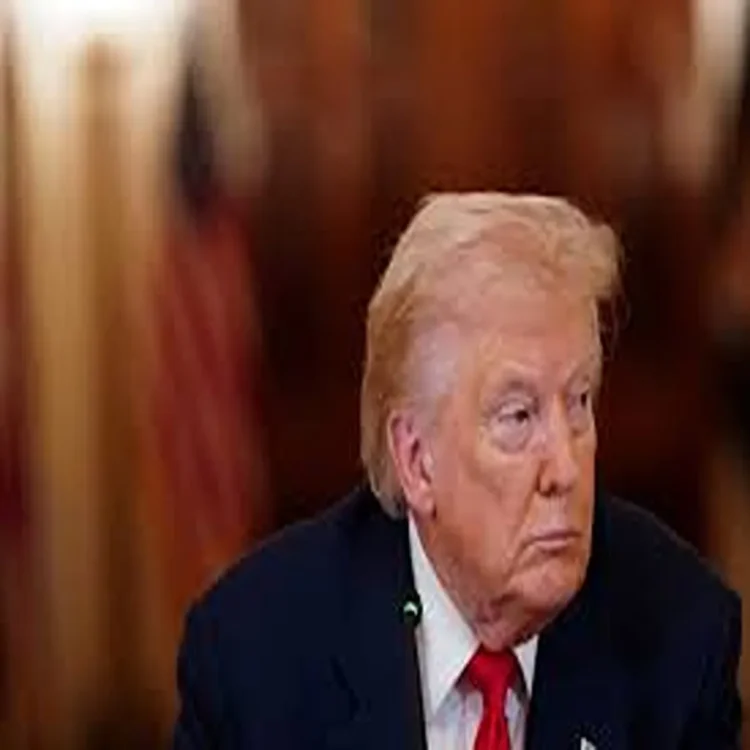
Growing financial pressure on universities
During the roundtable meeting, which included lawmakers, sports administrators, university leaders and coaches, Trump said the current structure of college athletics is placing significant financial strain on institutions. He warned that many universities could face long-term budget difficulties if current trends continue.
According to Trump, schools competing in major sports such as football and basketball are spending increasingly large sums to recruit and retain athletes. He described the situation as a financial competition that is becoming difficult for universities to sustain.
Trump told participants that the figures being reported by some athletic departments show substantial financial losses, even at institutions that traditionally operate strong sports programs. He cited recent reports suggesting that Penn State’s athletic department posted losses of more than $500 million during the past year, while Florida State reportedly recorded losses exceeding $400 million.
Concerns about an escalating competitive environment
Trump argued that universities are currently operating in what he described as a competitive spending race driven by evolving rules surrounding athlete compensation and transfer policies. These changes have followed court decisions allowing college athletes to receive income from endorsements and sponsorship agreements linked to their name, image and likeness.
The president said uncertainty over these rules, combined with ongoing litigation involving college sports governance, has created instability for schools attempting to manage their athletic programs.
He suggested that if lawmakers fail to establish a clear national framework soon, the financial burden on universities could increase significantly, potentially affecting the sustainability of many sports programs.
Proposed executive order and possible legal challenges
Trump stated that his administration is working on a comprehensive executive order that would address multiple aspects of college athletics regulation. He indicated the order would be drafted after consultations with experts and stakeholders who attended the meeting.
The president acknowledged that such an order would likely face legal scrutiny in the courts. However, he said the administration is prepared to defend the policy if challenged.
The potential executive action would take place alongside legislative efforts already underway in Congress.
Congressional efforts to create national rules
Members of Congress are currently considering legislation known as the Score Act, which aims to establish nationwide standards governing athlete compensation, transfers and oversight of college sports programs.
House Speaker Mike Johnson told participants that lawmakers believe they are close to securing enough votes to pass the legislation in the House of Representatives. He emphasized that Congress must move quickly as the financial and regulatory situation surrounding college athletics continues to evolve.
Lawmakers involved in the discussions said consistent federal rules could provide stability for universities and athletic organizations that currently operate under a patchwork of state regulations and legal rulings.
Role of college sports in education and Olympic development
Several officials attending the meeting highlighted the broader significance of college athletics in the United States. Secretary of State Marco Rubio noted that sports scholarships provide thousands of students with access to higher education opportunities each year.
Rubio said many student-athletes graduate not only with undergraduate degrees but also with advanced academic qualifications, emphasizing the role athletics plays in supporting educational advancement.
Former Alabama football coach Nick Saban also shared concerns about the changing environment in college sports. He said some athletes may increasingly focus on short-term financial opportunities rather than long-term academic development.
Potential impact on Olympic and women’s sports
Leaders from the Olympic movement also raised concerns about how financial pressures on universities could affect smaller sports programs. Sarah Hirshland, chief executive of the US Olympic and Paralympic Committee, noted that college athletics has historically served as an important development system for American Olympic athletes.
Hirshland said many Olympic competitors have trained and competed through university programs, making the college system an essential part of the country’s sporting infrastructure.
NCAA President Charlie Baker added that the current college sports framework supports more than 500,000 student-athletes and provides billions of dollars in scholarship funding.
Calls for clearer national regulation
Participants at the White House meeting broadly agreed that the rapid transformation of college athletics in recent years has created a regulatory gap. Several officials said clearer national standards are necessary to maintain fairness and financial stability within the system.
House Majority Leader Steve Scalise described the current environment as lacking consistent oversight, noting that a coordinated approach between Congress and federal regulators may be needed to restore balance.
Recent court rulings that removed restrictions on athlete compensation have dramatically reshaped the landscape of college sports. These decisions allowed athletes to earn income through sponsorship and endorsement deals tied to their name, image and likeness, fundamentally changing how the system operates.
As policymakers consider new rules, discussions are expected to continue about how to balance athlete rights, educational priorities and the long-term sustainability of university sports programs.