
ClimatePolicy – Trump Moves to Repeal Key EPA Emissions Ruling
ClimatePolicy – President Donald Trump on Tuesday announced a sweeping reversal of a landmark environmental decision that has guided U.S. climate regulation for more than a decade. The administration confirmed it has formally withdrawn the Environmental Protection Agency’s 2009 “endangerment finding,” a determination that greenhouse gases pose a risk to public health and welfare.
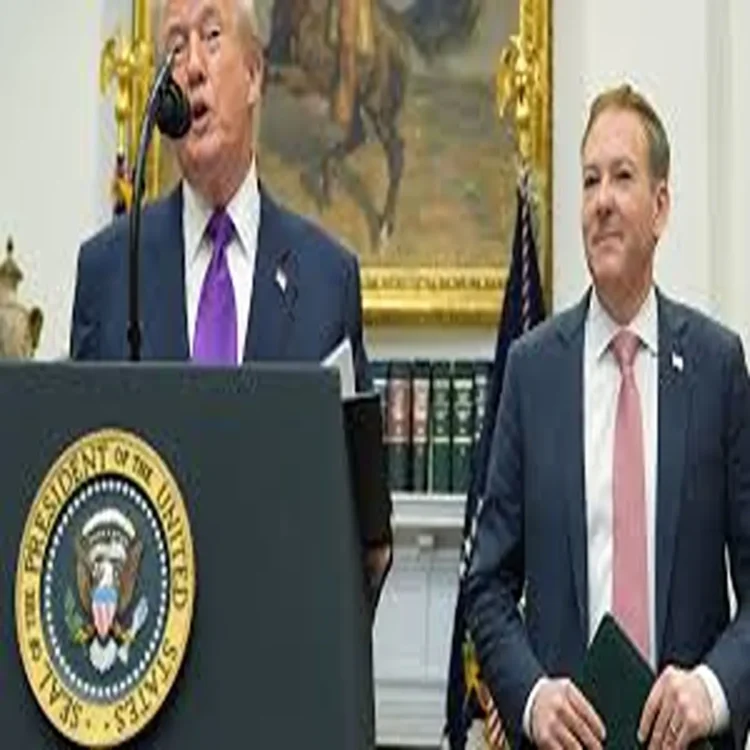
The decision marks a significant shift in federal climate policy and sets the stage for broad changes to emissions standards affecting the auto industry and other sectors.
Reversal of a Foundational Climate Determination
The 2009 finding, introduced during the Obama administration, established the legal foundation for federal greenhouse gas regulations under the Clean Air Act. By concluding that emissions such as carbon dioxide endanger public health, the EPA gained authority to regulate vehicle emissions and other sources contributing to climate change.
Trump described the determination as flawed and argued that it placed an unnecessary burden on American manufacturers and consumers. He said the move to rescind it would reduce regulatory costs and ease pressure on domestic industries, particularly automakers.
EPA Administrator Lee Zeldin echoed those remarks, calling the action one of the most consequential deregulatory measures in U.S. history. He said eliminating the finding would remove regulatory requirements tied to greenhouse gas reporting and compliance for vehicles and engines.
Economic Implications for the Auto Industry
Administration officials framed the rollback as an economic measure designed to lower consumer costs. According to the White House, removing the regulatory framework could reduce expenses for automakers and potentially lower the average price of new vehicles by several thousand dollars.
Trump stated that the policy change could eliminate more than $1 trillion in long-term regulatory costs. He argued that the shift would give manufacturers greater flexibility in determining production strategies, including decisions related to electric vehicles.
Zeldin added that automakers would no longer face mandates requiring the measurement and reporting of greenhouse gas emissions for certain vehicle categories. He also said the decision ends what the administration considers indirect pressure on companies to accelerate a transition toward electric vehicle production.
Rollback of Emissions Standards
Alongside terminating the endangerment finding, the administration confirmed plans to rescind additional vehicle emissions standards introduced between 2012 and 2027. Trump criticized those measures as overly restrictive and said they contributed to higher production costs.
The White House also announced the revocation of a waiver granted to California that allowed the state to set stricter vehicle emissions standards than federal requirements. Officials said the change would prevent what they described as fragmented national auto regulations.
Office of Management and Budget Director Russell Vought characterized the decision as a structural shift in environmental policy, suggesting that previous administrations had expanded regulatory authority in ways the current administration believes exceed statutory intent.
Public Health and Environmental Concerns
Critics of the rollback argue that the 2009 finding served as the scientific and legal backbone for addressing climate change through federal law. Environmental groups and public health advocates have long maintained that greenhouse gas emissions contribute to rising temperatures, extreme weather events, and associated health risks.
When asked about potential health consequences, Trump maintained that rescinding the finding would not affect protections against traditional air pollutants. Zeldin similarly stated that regulations addressing air toxics and conventional pollutants would remain in place, emphasizing that the agency remains committed to maintaining air quality standards.
The policy change is expected to face legal challenges from states and environmental organizations. Courts have previously upheld the EPA’s authority to regulate greenhouse gases under the Clean Air Act, making the future of the administration’s action uncertain.
Broader Policy Impact
The repeal represents one of the most significant shifts in federal climate policy in recent years. Supporters argue it reduces regulatory burdens and encourages economic growth, while opponents warn it could weaken the federal government’s ability to address climate-related risks.
As the administration moves forward with implementation, the decision is likely to shape debate over environmental regulation, energy policy, and the future direction of the U.S. auto industry.