
Budget – South Korea Moves to Expand Emergency Spending Plan
Budget – South Korea’s National Assembly is preparing to deliberate on a supplementary budget on Friday, designed to cushion the domestic economy from the effects of the ongoing conflict in the Middle East. Lawmakers are expected to review and potentially pass the expanded financial package during a plenary session scheduled later in the day.
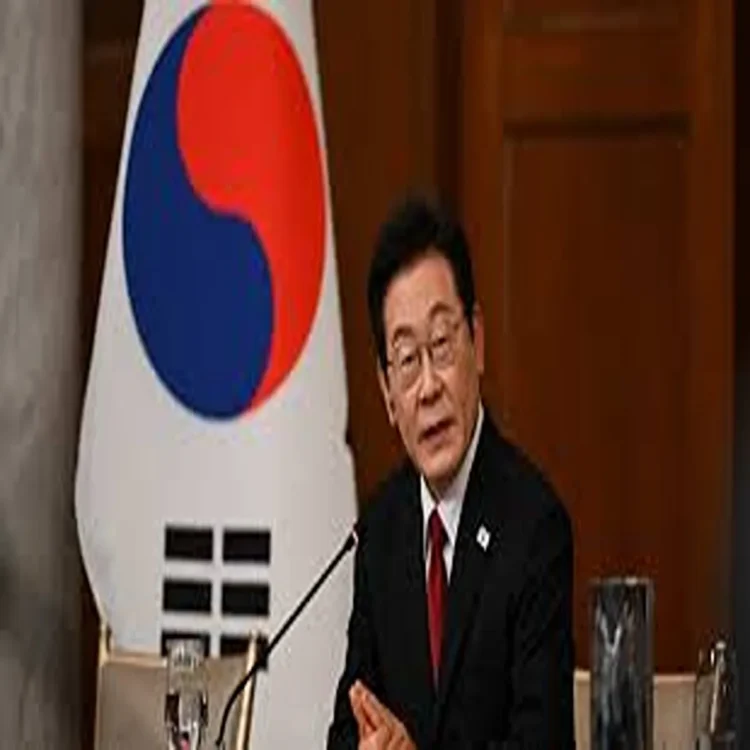
Expanded Budget to Address Economic Pressures
The proposed extra budget has grown significantly during parliamentary discussions. Initially set at 26.2 trillion won, the figure has increased to approximately 30 trillion won (about $20.3 billion) after detailed examination by legislative committees. The additional funds are intended to counter rising global oil prices and provide support to small businesses and households facing financial strain.
Officials say the expanded plan reflects the urgency of stabilizing the economy as external uncertainties continue to affect energy costs and consumer prices. The government has emphasized that the budget aims to deliver timely assistance to those most affected by the economic ripple effects of the conflict.
Disagreements Over Cash Assistance Plan
Despite earlier agreement between rival political parties to pass the bill, differences remain over specific allocations. One key point of contention is the proposal to provide cash support to roughly 70 percent of income earners. This measure is intended to offset increased living expenses driven by higher fuel costs.
If approved, the program would benefit around 35.8 million people, with payments ranging from 100,000 won to 600,000 won per individual. The exact amount would vary depending on income level and geographic location.
The main opposition party has raised concerns that several elements of the budget do not align with its stated purpose. It has called for a more targeted approach that prioritizes direct assistance to those most severely impacted. Meanwhile, the ruling party has urged lawmakers to move forward quickly, highlighting the need for swift economic intervention.
Securing Alternative Oil Supplies
Alongside fiscal measures, the South Korean government has taken steps to stabilize energy supplies. Earlier this week, officials confirmed that the country secured an additional 60 million barrels of oil for May to compensate for disrupted shipments from the Middle East.
This follows the earlier procurement of 50 million barrels for April, bringing the total secured volume to 110 million barrels. The oil has been sourced from 17 countries, including Saudi Arabia, the United States, the United Arab Emirates, Brazil, and Canada.
According to the Ministry of Trade, Industry and Energy, these volumes represent about 60 percent of typical monthly supply for April and around 70 percent for May under normal conditions. Authorities have indicated that efforts are ongoing to ensure sufficient reserves and prevent supply shortages.
Oil Swap Program Gains Momentum
The government has also introduced an oil swap program to further strengthen supply resilience. Under this initiative, major domestic refiners can borrow crude oil to maintain production levels.
Officials reported that the country’s four largest refining companies have already submitted plans to secure more than 30 million barrels through the program. Of this amount, approximately 8 million barrels are expected to be delivered within the current week.
The combined measures—ranging from budget expansion to energy procurement—highlight South Korea’s multi-pronged strategy to navigate economic challenges arising from global instability. The outcome of Friday’s parliamentary session is expected to play a crucial role in shaping the country’s short-term economic response.