
AirPollution – Northern Thailand Faces Severe Smog Crisis and Health Risks
AirPollution – After spending long hours working outdoors in heavily polluted areas of northern Thailand, Pon Doikam returns home only to find traces of blood when she clears her nose. The 36-year-old coconut vendor, based in Chiang Mai, describes the air as suffocating, saying it feels as though she is constantly surrounded by smoke.
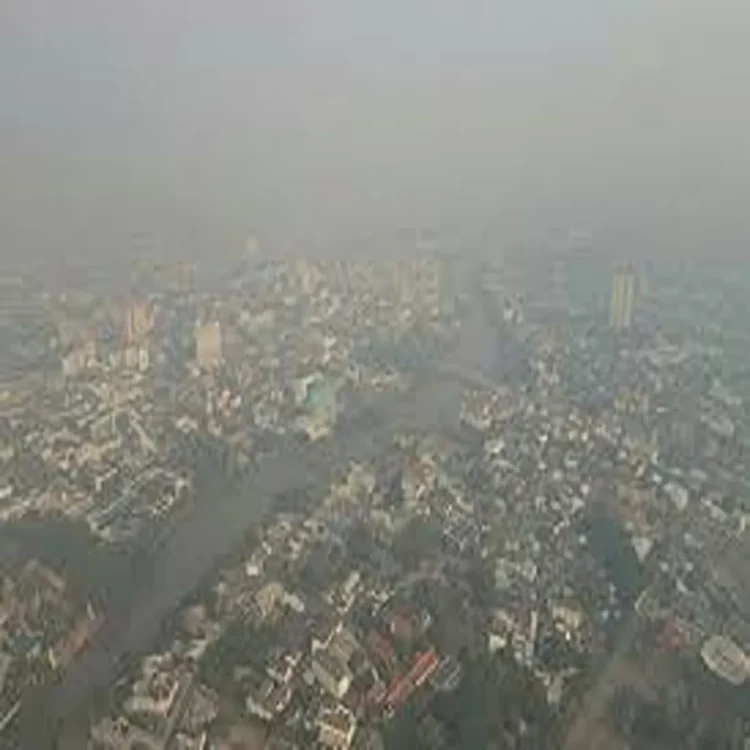
Worsening Seasonal Pollution Raises Alarm
Every year, parts of Southeast Asia experience a spike in air pollution caused by agricultural burning, forest fires, and shifting weather conditions. However, residents in northern Thailand say this year’s situation is far more severe than usual.
Chiang Mai, one of the country’s most visited cities, has repeatedly ranked among the most polluted urban areas globally in recent days, according to air quality monitoring platforms. Locals who have lived in the region for decades report that they have never seen conditions deteriorate to this extent.
Pon, who has spent most of her life in Chiang Mai, says she has no choice but to continue working outdoors despite the hazardous air. Like many others, she depends on daily earnings to support herself.
Dangerous Pollution Levels Recorded in Nearby Areas
The problem is even more acute in Pai, a scenic town west of Chiang Mai known for its mountains and greenery. Air quality monitors there have recorded extremely high levels of PM2.5—fine particles that can penetrate deep into the lungs and bloodstream.
In some instances, readings have exceeded 900 micrograms per cubic metre, far surpassing international safety guidelines. Health experts warn that such exposure can lead to serious conditions, including respiratory illnesses and long-term diseases.
The region’s mountainous terrain makes matters worse. Smoke tends to get trapped in valleys, while dense forests complicate firefighting efforts when blazes break out.
Firefighters Struggle Amid Limited Resources
Volunteer firefighters are working tirelessly to control multiple fires burning across hillsides and roads between Chiang Mai and Pai. However, their resources remain limited.
Maitree Nuanja, one such volunteer, explains that teams often rely on basic equipment and donations. Supplies like fuel, protective gear, and water are scarce, and borrowed tools must be returned once the fire season ends.
He describes the situation as overwhelming, with thick smoke reducing visibility and lingering for extended periods. The risks are not only environmental but also personal, as firefighters face constant exposure to heat and toxic air.
Authorities recently reported the death of a volunteer firefighter, believed to be linked to exhaustion combined with underlying health conditions.
Health Concerns Grow Among Vulnerable Groups
Medical professionals warn that prolonged exposure to polluted air can have serious consequences for everyone, especially children, the elderly, and those with pre-existing conditions.
In Chiang Mai, special “dust-free rooms” equipped with air purification systems have been set up in public facilities, including care homes. These spaces are designed to provide temporary relief from the hazardous environment.
Eighty-two-year-old Watwilai Chaiwan, a retired nurse, says the pollution has made her hesitant to step outside. She reports experiencing dizziness and worsening migraines, emphasizing the importance of wearing protective masks at all times.
Doctors in the region have also noted a rise in symptoms such as eye irritation, respiratory discomfort, and inflammation caused by inhaling polluted air.
Economic Impact and Government Response
Beyond health concerns, the pollution crisis is affecting tourism, a key part of the local economy. Typically busy months like March and April have seen fewer visitors, with many deterred by the poor air quality.
Local transport operators and businesses report a noticeable decline in activity. Popular viewpoints that once offered clear vistas are now covered in thick haze, reducing the region’s appeal.
The Thai government has held discussions to address the situation, and some districts have declared disaster zones to expedite financial assistance. However, environmental groups argue that more decisive action is needed.
Advocates are urging authorities to revive and pass clean air legislation that stalled previously. Without progress, they warn, efforts to tackle the root causes of pollution may remain inadequate.