
Health – Excess Water Intake Can Harm Body Balance and Kidney Function
Health – We have all grown up hearing the same advice: drink plenty of water and stay hydrated. While water is undoubtedly essential for survival, medical experts now caution that consuming it excessively can lead to unexpected health complications.
Individual Needs Vary Significantly
The widely accepted idea of drinking a fixed number of glasses every day does not apply universally. According to medical professionals, hydration needs differ from person to person. Factors such as body composition, activity level, climate, and overall health influence how much water an individual requires.
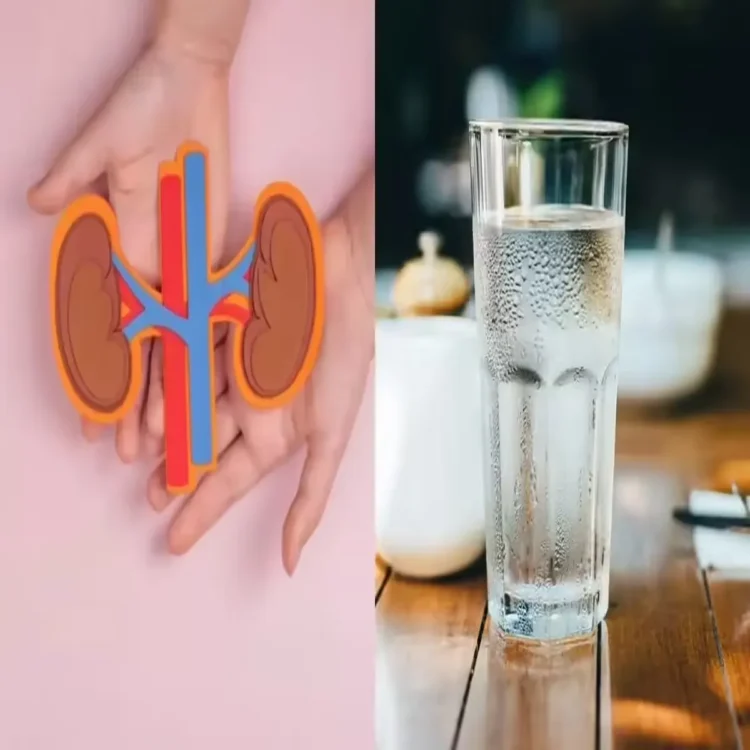
Doctors explain that the human body is equipped with a natural system to maintain fluid balance. The kidneys play a central role by filtering excess water and waste products. When this balance is disturbed by overconsumption, it can create unnecessary strain on the body.
Understanding Water Intoxication
Consuming more water than the body can process can lead to a condition known as water intoxication. This occurs when excessive fluid intake dilutes sodium levels in the bloodstream, resulting in hyponatremia.
Sodium is vital for maintaining proper nerve and muscle function. When its levels drop too low, it can affect brain activity. Early symptoms may include headaches, nausea, and confusion. In more severe cases, it can lead to swelling in the brain, seizures, and other serious complications.
Although such cases are uncommon, they are not unheard of, particularly when individuals force themselves to drink large volumes of water in a short period.
The Role of Kidney Health
Kidneys determine how efficiently the body can manage fluid intake. When kidney function is reduced, the ability to eliminate excess water becomes limited. This means that hydration levels that are safe for one individual may be harmful to another.
People with chronic kidney conditions must be especially cautious. Their fluid intake often needs to be carefully regulated under medical supervision. Ignoring these guidelines can worsen existing health issues and lead to complications.
Debunking the Detox Myth
A popular belief suggests that drinking large quantities of water helps flush toxins from the body or even cures kidney-related problems. However, medical experts firmly reject this claim.
While staying hydrated supports normal bodily functions, it does not reverse kidney damage or eliminate underlying diseases. Once kidney function is impaired, increasing water intake alone cannot restore it. Proper medical treatment and lifestyle adjustments remain essential.
Risks for Healthy Individuals
Overhydration is not limited to people with medical conditions. Even healthy individuals can face problems if they consume excessive amounts of water. Drinking several litres in a short time can overwhelm the body’s ability to process fluids.
This may result in frequent urination, electrolyte imbalance, and discomfort. Although younger individuals may tolerate it better initially, long-term habits of excessive intake can gradually affect overall health.
Finding the Right Balance
For most healthy adults, a daily fluid intake of around two to three litres, including water obtained from food, is generally adequate. However, experts recommend a more intuitive approach—listening to the body’s natural signals.
Thirst is a reliable indicator of when the body needs hydration. Fluid intake should also be adjusted based on environmental conditions, physical activity, and individual health status. Those with medical concerns, particularly related to the kidneys or heart, should always follow personalized medical advice.
Water remains essential for maintaining health, but moderation is key. Rather than following rigid rules, understanding the body’s needs ensures better long-term well-being.