
Cinema – Ram Gopal Varma Reflects on Changing Dreams and New Inspirations
Cinema – The ever-changing journey of filmmaker Ram Gopal Varma highlights how personal influences and cinematic inspirations continue to reshape creative vision over time.
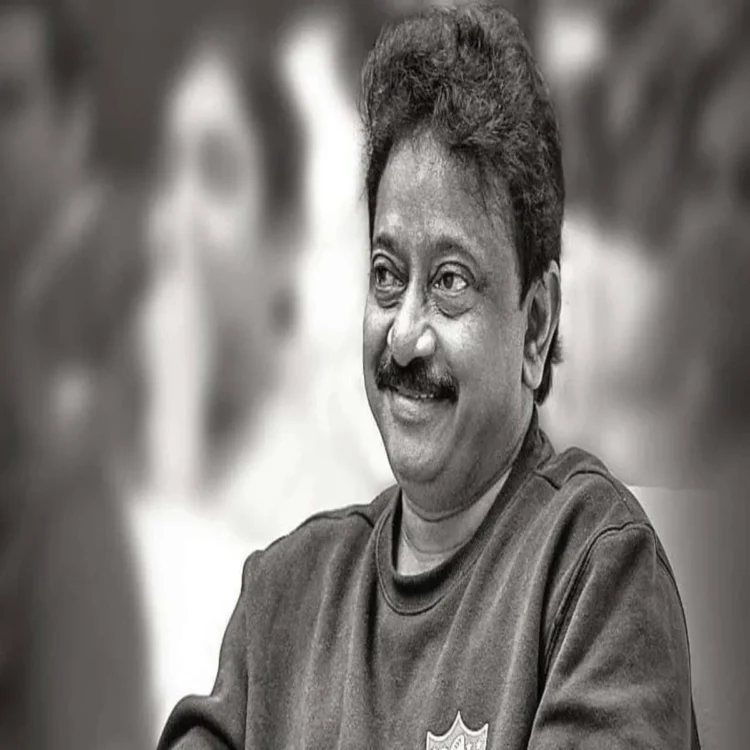
Veteran filmmaker Ram Gopal Varma recently opened up about the shifting nature of his ambitions, offering a candid glimpse into how his early dreams and creative influences have evolved over the years. In a detailed note shared on social media, he reflected on how constant change has shaped both his personal aspirations and professional choices.
Childhood Dreams Shaped by Curiosity
Varma recalled that as a child, his ambitions were driven by simple fascinations. At around ten years old, he dreamed of becoming an auto rickshaw driver, captivated by the sound and thrill of acceleration. A few years later, inspired by a relative, he imagined a life in the wilderness. By his mid-teens, his interests shifted toward engineering, only to change again when filmmaking began to appeal to him.
These transitions, he explained, were not unusual but rather a natural outcome of exposure to new experiences. Each phase brought fresh ideas that gradually reshaped his thinking and creative outlook.
Influence of Literature on Creative Thinking
The director also spoke about how his reading habits evolved significantly over time. Initially drawn to the works of Enid Blyton, he later found himself engrossed in the gripping narratives of James Hadley Chase. Eventually, the writings of Frederick Forsyth left a profound impression on him, expanding his understanding of storytelling.
According to Varma, such transitions highlight how creative benchmarks are continuously redefined as individuals encounter new perspectives. These influences, he noted, played a key role in shaping his cinematic sensibilities.
Cinematic Benchmarks That Defined His Career
Reflecting on his filmmaking journey, Varma identified several iconic films that served as creative reference points throughout his career. He credited titles like “The Sound of Music,” “The Exorcist,” and “The Godfather” as foundational influences behind some of his most notable works, including “Rangeela,” “Raat,” “Bhoot,” “Satya,” “Company,” and “Sarkar.”
He acknowledged that much of his work was inspired by these benchmarks, particularly “The Godfather,” which significantly influenced his storytelling style and thematic approach.
New Project Takes Priority Over Familiar Franchise
Varma also revealed that he has decided to pause further development of the “Sarkar” franchise in favor of a new project titled “Syndicate.” He described the concept as a gripping narrative built around a hypothetical scenario in which the country’s law and order system collapses within a single day.
Unlike traditional horror films, he explained, “Syndicate” aims to explore the darker aspects of human behavior without relying on supernatural elements. The story will focus on the rise of a powerful and deeply organized entity capable of threatening national stability.
Inspired by New-Age Filmmaking
A significant part of Varma’s reflection centered on his admiration for contemporary filmmaking styles. He praised the recently released film “Dhurandhar: The Revenge,” calling it a transformative experience that made him reassess his own body of work.
He suggested that the film sets a new benchmark in multiple aspects of cinema, including storytelling techniques, character development, technical execution, and emotional depth. This shift in perspective has prompted him to reconsider his earlier influences and embrace a more modern approach.
Varma expressed a strong desire to align himself with the evolving landscape of filmmaking, acknowledging that staying relevant requires adapting to new creative standards. He emphasized the importance of learning from emerging voices in the industry and being open to reinvention.
A Creative Reset for the Future
Concluding his thoughts, Varma indicated that this phase marks a turning point in his career. He described it as an opportunity to start afresh, leaving behind past methods and embracing new ideas that reflect the changing dynamics of cinema.
His reflections underline a broader message about growth—highlighting how continuous learning and openness to change remain essential for creative longevity.