
Cinema – Madhubala’s Timeless Legacy Remembered on Death Anniversary
Cinema – On this day, admirers of classic Hindi cinema pause to reflect on the remarkable life and career of Madhubala, an actress whose presence on screen continues to captivate audiences decades after her passing. Marking her death anniversary, film enthusiasts across the country revisit not only her memorable performances but also the quiet strength that shaped her brief yet extraordinary journey.
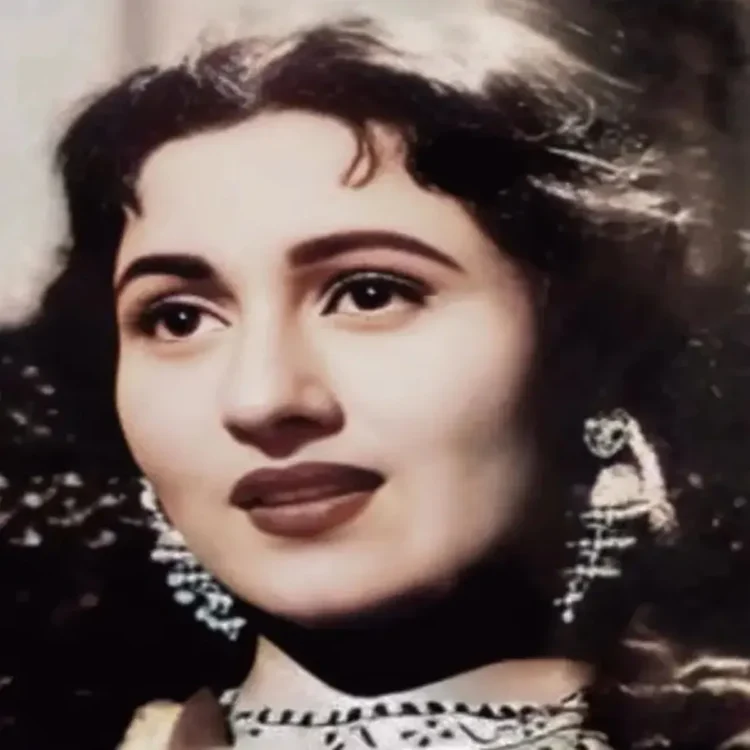
From Child Artist to Screen Icon
Born as Mumtaz Jehan Begum Dehlavi, Madhubala entered the film industry at a young age and steadily carved her own space in an era dominated by larger-than-life personalities. By the 1950s, she had become one of the most recognisable faces in Indian cinema. Her expressive eyes and effortless grace turned her into a symbol of romance, earning her widespread admiration from viewers and filmmakers alike.
Yet her life behind the camera was far from easy. Even at the height of her success, she was dealing with a congenital heart condition that would later define the final years of her life. Despite persistent health challenges, she continued to work with dedication, often pushing through discomfort to complete demanding schedules.
A Defining Performance in Mughal-e-Azam
Among her many films, her portrayal of Anarkali in Mughal-e-Azam stands as the crowning achievement of her career. Directed by K. Asif, the historical epic became a landmark in Indian cinema. Opposite Dilip Kumar and Prithviraj Kapoor, Madhubala delivered a performance that combined tenderness with quiet defiance.
Her appearance in the song “Pyar Kiya To Darna Kya” remains etched in cinematic memory. The grandeur of the set and the emotional intensity of the sequence elevated her status to that of a legend. Even today, scenes from the film are revisited in retrospectives and discussions about classic cinema.
A Versatile Presence Across Genres
While Mughal-e-Azam highlighted her dramatic abilities, Madhubala was equally at ease in lighter roles. In Chalti Ka Naam Gaadi, she displayed impeccable comic timing alongside Kishore Kumar and his brothers, helping the film become one of the most beloved comedies of its time.
In Mr and Mrs 55, directed by Guru Dutt, she portrayed a modern young woman navigating social expectations, blending charm with subtle satire. Her role in Howrah Bridge as a nightclub singer added a layer of mystery to her screen image, particularly through the popular song “Aaiye Meherbaan.” Meanwhile, Barsaat Ki Raat showcased her emotional range within a musical drama known for its memorable qawwali sequences.
Each of these performances demonstrated her adaptability, reinforcing her reputation as more than just a glamorous star.
Personal Life Under Public Spotlight
Madhubala’s personal life often attracted as much attention as her films. Her relationship with Dilip Kumar became one of the most discussed romances of the era. Although the relationship eventually ended, it remained a significant chapter in both their lives.
She later married singer and actor Kishore Kumar, seeking stability as her health declined. In her final years, medical complications limited her professional engagements. She passed away at the age of 36, leaving the film industry stunned and her admirers heartbroken.
Enduring Influence on Art and Fashion
More than five decades after her death, Madhubala’s influence remains visible. Designers continue to revisit the flowing Anarkali silhouette popularised by her Mughal-e-Azam costumes. Photographers draw inspiration from her soft, classic portraits, while filmmakers study her understated style of acting as a lesson in restraint and elegance.
During her lifetime, she also received international attention. In 1950, an American magazine described her as “The Biggest Star in the World,” reflecting her global appeal at a time when international recognition for Indian actors was rare.
Today, as social media fills with black-and-white photographs and remembered dialogues, her legacy feels as vibrant as ever. She remains not merely a figure from the past but a lasting symbol of cinematic artistry. Some stars shine brightly for a moment. A few, like Madhubala, continue to illuminate the cultural imagination long after the curtains fall.