
TradeAgreement – India and Canada Revive CEPA Talks Ahead of PM Visit
TradeAgreement – India and Canada have renewed high-level discussions on a proposed Comprehensive Economic Partnership Agreement as both sides seek to deepen commercial ties and unlock fresh opportunities for businesses. The latest engagement comes just days before Canadian Prime Minister Mark Carney is scheduled to travel to India, signalling renewed momentum in the long-pending trade negotiations.
Ministers Hold Virtual Talks to Push CEPA Forward
Union Commerce and Industry Minister Piyush Goyal held a virtual meeting with Canada’s Minister of International Trade, Maninder Sidhu, to review progress on the proposed India-Canada Comprehensive Economic Partnership Agreement (CEPA). The conversation focused on accelerating negotiations and strengthening broader economic cooperation between the two countries.
Following the meeting, Goyal shared that both leaders discussed advancing CEPA negotiations and enhancing business engagement through regular delegation-level interactions in the coming months. The objective, he indicated, is to maintain steady progress and build a durable economic partnership.
Sidhu echoed similar sentiments, describing the exchange as a constructive step toward reinforcing bilateral trade ties. He noted that continued dialogue would help sustain momentum toward finalizing a comprehensive trade agreement that benefits businesses and workers in both nations.
Strong Trade Base With Scope for Expansion
Trade between India and Canada already exceeds USD 30 billion annually, providing a solid foundation for further growth. Canadian officials have emphasized the untapped potential for exporters and investors on both sides if trade barriers are eased and regulatory cooperation improves under CEPA.
The proposed agreement aims to cover a broad spectrum of sectors, including trade in goods and services, investment facilitation, agriculture, and digital commerce. Policymakers believe a well-structured agreement could diversify supply chains, promote innovation, and enhance market access for key industries.
Both governments have expressed confidence that a modern trade pact would not only expand bilateral commerce but also create employment opportunities and support economic resilience in an evolving global market.
Negotiations Regain Momentum After Years of Delays
Talks on the CEPA were first launched in 2010 but have faced repeated pauses due to diplomatic and economic considerations. Despite the interruptions, both sides have periodically reaffirmed their commitment to securing a comprehensive trade deal.
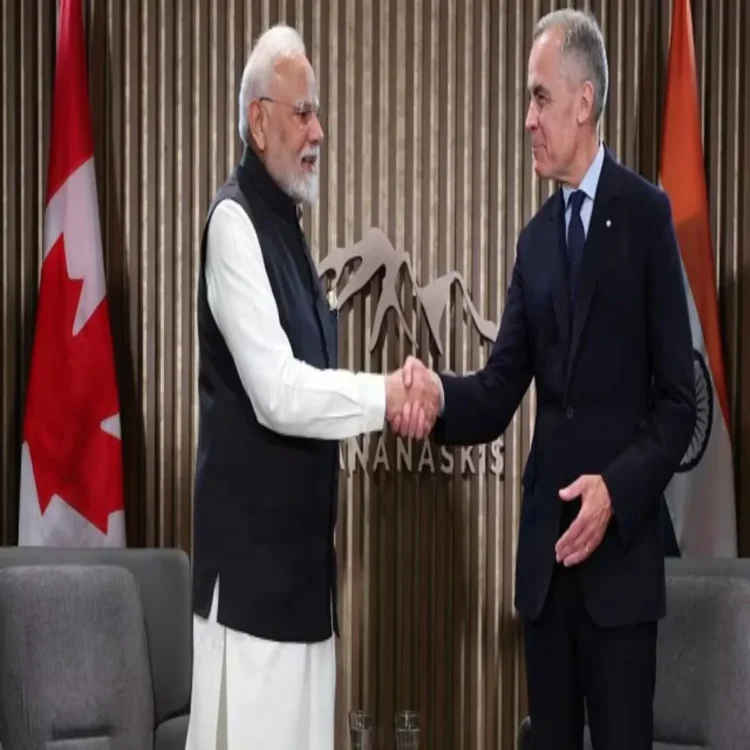
A significant breakthrough came in November when Prime Minister Narendra Modi and Prime Minister Mark Carney agreed to formally relaunch negotiations. The understanding was reached during discussions held on the sidelines of the G20 Summit in Johannesburg. According to India’s Ministry of External Affairs, the leaders committed to pursuing an ambitious agreement with the goal of doubling bilateral trade to USD 50 billion by 2030.
Officials view the renewed engagement as an opportunity to reset economic relations and inject fresh energy into discussions that had previously stalled.
Upcoming Visit Expected to Strengthen Economic Ties
Prime Minister Mark Carney’s upcoming visit to India in early March is expected to further solidify cooperation across strategic sectors. Sources indicate that agreements in areas such as uranium supply, clean energy collaboration, critical minerals, and artificial intelligence could be explored during the visit.
Trade and investment are likely to feature prominently on the agenda, with both governments aiming to align regulatory frameworks and improve market access. The visit is also expected to facilitate direct engagement between industry leaders, encouraging partnerships in emerging technologies and sustainable development.
As India and Canada move forward with renewed focus, the CEPA negotiations represent a key pillar of their broader economic strategy. With sustained political will and structured dialogue, both countries appear committed to transforming their existing trade relationship into a more comprehensive and forward-looking partnership.