
RenewableEnergy – Adani Green Expands Capacity with Record Clean Power Growth
RenewableEnergy – Adani Green Energy Limited has reported a significant rise in its renewable power capacity, adding more than 5 gigawatts during the financial year 2025–26. This expansion has taken the company’s total operational capacity to 19.3 gigawatts, marking one of the most substantial annual increases in greenfield renewable energy projects outside China.
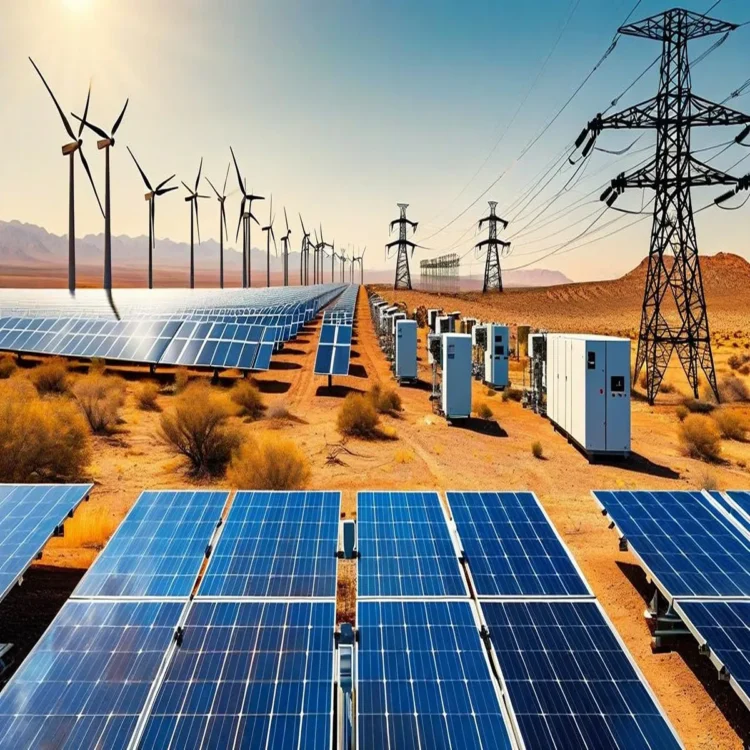
Record Expansion Across Solar, Wind, and Hybrid Segments
The newly added capacity includes a strong contribution from solar power at 3,409 megawatts, followed by 686 megawatts from wind energy, and 956 megawatts from hybrid wind-solar systems. This diversified growth reflects a broader strategy to balance energy sources while improving efficiency and reliability.
According to the company, the newly commissioned projects are expected to offset nearly 10 million tonnes of carbon emissions each year. With the total operational capacity now reaching 19.3 gigawatts, the annual carbon offset is projected to rise to around 36 million tonnes, underlining the environmental impact of the expansion.
Leadership Perspective on Clean Energy Progress
Sagar Adani, Executive Director of the company, described the milestone as a defining moment for India’s renewable energy sector. He stated that the scale of expansion reinforces India’s position in the global transition toward cleaner energy systems.
He also emphasized that the achievement brings the company closer to its long-term goal of reaching 50 gigawatts of capacity by 2030. Alongside capacity growth, the company aims to maintain a focus on sustainable development and inclusive progress through renewable technologies and energy storage solutions.
Khavda Project Emerges as Key Growth Driver
A large share of the newly added capacity has been developed at the Khavda site in Gujarat, where one of the world’s largest renewable energy parks is under construction. The project spans approximately 538 square kilometres, making it several times larger than major global urban areas.
Out of a planned capacity of 30 gigawatts by 2029 at this location, the company has already installed 9.4 gigawatts. The pace of development at Khavda has been notably rapid, highlighting its importance as a central hub for future renewable energy production.
Battery Storage Enhances Grid Stability
In addition to power generation, the company has introduced battery energy storage systems at the Khavda site, with an initial capacity of 1,376 megawatt hours. This deployment is among the largest at a single location globally and was completed within eight months of project initiation.
The integration of storage technology is expected to play a crucial role in maintaining grid stability and ensuring consistent power supply, particularly given the variable nature of renewable energy sources like solar and wind.
Advanced Technologies Improve Efficiency
The Khavda project incorporates several modern technologies aimed at improving performance and reducing resource use. These include bifacial solar modules, which can generate electricity from both direct sunlight and reflected light from the ground, thereby increasing overall output.
Additionally, solar tracking systems have been deployed to optimize energy generation throughout the day. On the wind energy front, the company is using 5.2 megawatt turbines, considered among the most powerful onshore units currently available.
Another notable feature is the use of waterless robotic cleaning systems for solar panels. This approach significantly reduces water consumption while maintaining efficiency, making it particularly suitable for arid regions where water resources are limited.
Strengthening India’s Energy Future
The expansion reflects a broader shift in India’s energy landscape, where renewable sources are playing an increasingly central role. Large-scale projects like Khavda not only contribute to emission reduction but also support energy security by reducing dependence on conventional fuels.
As the company continues to scale up its operations, its progress is likely to influence the pace of renewable adoption across the country, aligning with national goals for sustainable growth and climate commitments.