
Polyester – West Asia Shipping Crisis Pushes Up Polyester Fibre Prices in India
Polyester – The ongoing tensions in West Asia and disruptions to maritime routes are beginning to affect India’s textile industry, as polyester fibre prices have climbed sharply over the past week. Industry representatives say the increase is linked to shipping delays and higher logistics costs caused by the closure of a critical global shipping corridor.
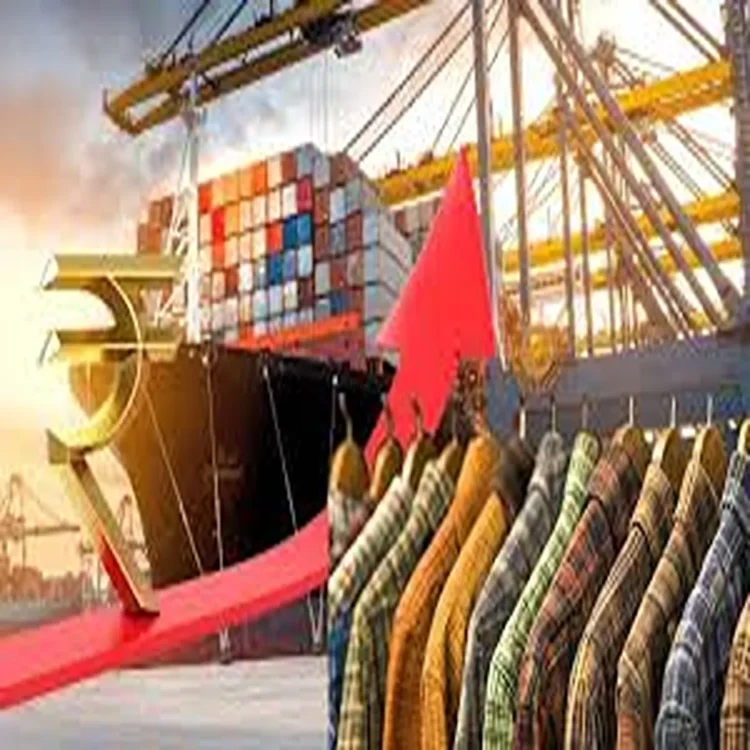
Rising Raw Material Prices Concern Textile Manufacturers
Textile industry stakeholders report that polyester fibre prices have risen by about Rs 12 per kilogram within a short period. The sudden increase has created concern among textile mills, yarn manufacturers, and exporters who rely heavily on stable raw material costs to maintain production schedules and competitive pricing.
Industry participants say that the increase is largely tied to disruptions in maritime trade routes that carry energy supplies and cargo across West Asia.
Shipping Route Disruptions Impact Global Trade
The Strait of Hormuz, one of the most important maritime corridors for international oil and cargo transport, has recently experienced significant disruption. Following the closure of the route by Iran amid escalating regional tensions, several cargo vessels have been forced to change course.
Instead of using the shorter route through the Gulf, ships are now navigating around Africa via the Cape of Good Hope. This detour has substantially extended the distance cargo ships must travel to reach destinations in the Gulf region, Europe, and the United Kingdom.
Longer Transit Times and Higher Logistics Costs
Shipping companies and exporters say that the alternative route adds considerable time to deliveries. According to industry estimates, shipments may now take between 20 and 25 additional days to reach their destinations.
The extended travel time has also pushed up freight charges and logistical expenses. Exporters warn that these higher transportation costs are placing additional pressure on companies already operating with narrow margins in the highly competitive textile market.
Risk of Delayed Deliveries and Export Challenges
Textile exporters are increasingly concerned that delays in shipping could affect relationships with international buyers. Timely delivery is a crucial factor in global textile trade, particularly for fashion and seasonal apparel markets.
Industry experts say prolonged transit times could lead to order cancellations or force exporters to reduce prices to retain buyers. Such developments may impact profitability across several segments of the textile value chain.
Polyester Fibre Prices Climb Rapidly
As supply chains tighten and shipping disruptions continue, the cost of polyester fibre has increased quickly. Polyester 1.2 denier fibre, a widely used raw material in textile manufacturing, is currently trading at approximately Rs 114.25 per kilogram following the recent price rise.
Market participants note that fluctuations in raw material costs often spread rapidly across the textile production chain, affecting yarn producers, fabric manufacturers, and garment exporters alike.
Polyester’s Key Role in India’s Synthetic Textile Industry
Polyester plays a central role in India’s synthetic textile sector. Industry data suggests that nearly 75 percent of synthetic fabric production in the country depends on polyester-based materials.
Because of this heavy reliance, any sharp movement in polyester prices has a broad impact on manufacturing costs across the industry. From spinning mills to garment factories, producers must adjust pricing strategies when raw material costs rise.
Concerns Over Impact on Key Export Markets
Industry stakeholders also warn that ongoing disruptions could affect India’s garment exports, particularly to markets in West Asia. The United Arab Emirates is among the largest buyers of Indian garments, importing products worth around $2 billion annually.
Other Gulf countries together account for garment imports from India valued at roughly $1 billion each year, making the region an important destination for Indian textile exports.
Growth Prospects Face New Uncertainty
India’s textile sector has recently been expanding its presence in global markets, supported by government policies and trade agreements aimed at increasing exports. Manufacturers had been optimistic about rising demand in international markets.
However, the current geopolitical tensions and disruptions to major shipping routes have introduced fresh uncertainty. Industry leaders say that if the situation continues, higher production costs and longer delivery times could pose challenges for exporters seeking to remain competitive in global trade.