
LPG – Government Directs Refineries to Increase Cooking Gas Output for Homes
LPG- The Ministry of Petroleum and Natural Gas has instructed oil refineries across the country to raise the production of Liquefied Petroleum Gas (LPG) and ensure that the additional volumes are directed toward domestic consumption. The move comes as global energy supply chains face pressure due to geopolitical tensions in West Asia, raising concerns about fuel availability in international markets.
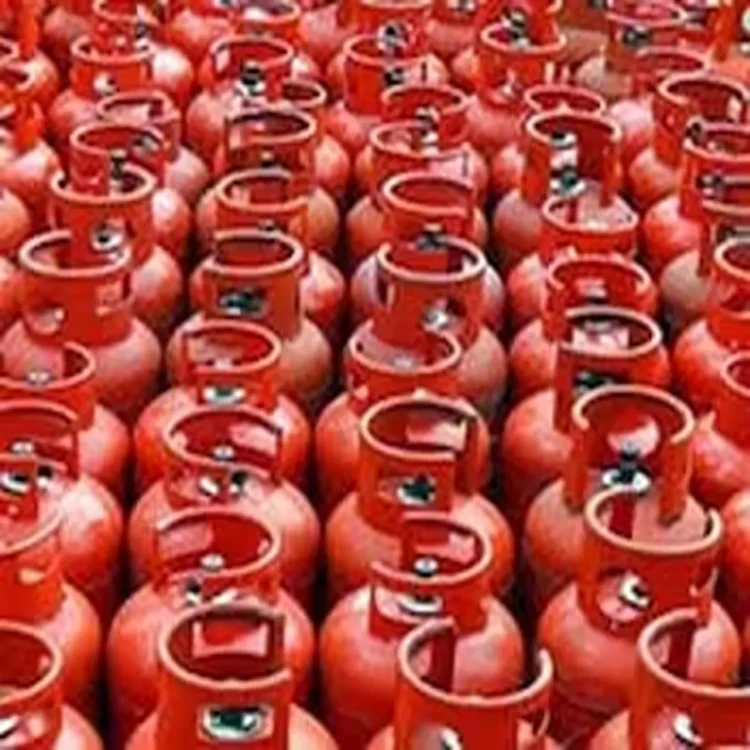
Government Moves to Secure Household Energy Supply
Officials said the decision is aimed at safeguarding household access to cooking gas during a period of uncertainty in global oil and gas trade. By increasing domestic LPG production and prioritising its distribution to residential users, the government hopes to maintain stable supply for millions of Indian households that depend on LPG for daily cooking needs.
The Ministry shared the update through its official communication channels, explaining that refineries have been asked to maximise LPG output wherever technically possible. The additional production will be reserved specifically for domestic cylinders supplied to households.
According to the ministry, this step is part of a broader effort to strengthen energy security and minimise the impact of global supply disruptions on Indian consumers.
Measures Introduced to Prevent Hoarding and Misuse
Alongside boosting production, the government has introduced regulatory steps to manage the distribution of LPG cylinders. One such measure is the implementation of a 25-day inter-booking period for consumers.
Under this rule, households must wait at least 25 days between two LPG cylinder bookings. Authorities say the measure is designed to discourage unnecessary stockpiling and reduce the risk of black marketing, which sometimes occurs during periods of supply stress.
Officials believe the new system will help ensure fair distribution and maintain availability for genuine consumers across the country. The ministry emphasised that preventing hoarding is essential to maintain stability in the supply chain.
Priority Allocation for Essential Non-Domestic Sectors
While households remain the top priority, the government has also laid out guidelines for non-domestic users of LPG. Imported LPG will primarily be directed toward critical sectors that rely heavily on cooking gas for essential services.
Hospitals and educational institutions have been identified as priority recipients among non-domestic consumers. These institutions depend on uninterrupted fuel supplies for food preparation and other operational requirements.
For other sectors such as restaurants, hotels and certain industries, supply requests will be reviewed through a newly formed committee. The panel consists of three executive directors from the country’s oil marketing companies.
This committee will evaluate representations from businesses seeking LPG supply and determine allocations based on availability and urgency. Officials say the arrangement will help manage limited supplies more efficiently while ensuring that essential services are not disrupted.
Energy Imports Continue Despite Global Tensions
Union Minister for Petroleum and Natural Gas Hardeep Singh Puri recently addressed the broader situation concerning global energy markets and its possible implications for India. During an informal interaction with media professionals, the minister said the government is closely monitoring geopolitical developments and their potential impact on fuel supply routes.
Puri emphasised that India’s energy imports remain stable and uninterrupted despite ongoing international tensions. According to him, shipments are continuing through trade routes that are not affected by the current conflicts.
He also highlighted the government’s preparedness in dealing with evolving market conditions. Authorities are actively coordinating with suppliers and monitoring supply chains to ensure that energy resources remain accessible to Indian consumers.
The minister noted that maintaining a reliable flow of fuel imports is a top priority, and several precautionary steps are already in place to address possible disruptions in global energy markets.
Government Focus on Long-Term Energy Stability
Energy experts say the government’s latest directives reflect a proactive approach toward managing potential supply challenges. By increasing domestic LPG production and prioritising household needs, policymakers aim to cushion the impact of external shocks on India’s energy sector.
The combination of production adjustments, distribution controls and strategic import management is intended to maintain stability in the country’s cooking gas supply system.
As global energy markets continue to respond to geopolitical developments, officials say India will keep monitoring the situation closely and take further measures if necessary to protect domestic consumers.