
Indian Stock Markets: Face Broad-Based Selling Amid Corporate Earnings and Global Tensions
Indian Stock Markets: Indian equity markets started the week on a weak note as heavy selling pressure across key large-cap stocks dragged benchmark indices into negative territory. Investor sentiment remained cautious due to mixed corporate earnings, subdued management outlooks, and rising global uncertainties. Early trade reflected a clear risk-off mood, with losses spread across banking, information technology, pharmaceuticals, and automobile stocks.
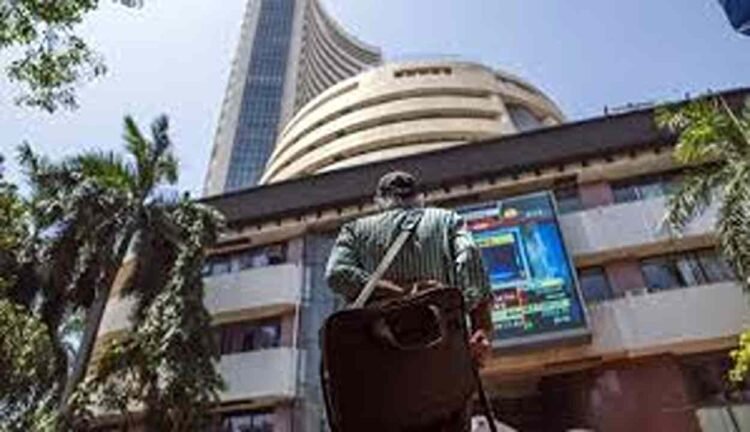
Market Performance Overview
Both frontline indices witnessed sharp declines in early trading. The BSE Sensex hovered around the 82,950 level after slipping over 600 points, while the Nifty50 moved below the 25,550 mark. The decline was driven largely by weakness in index heavyweights, which faced sustained selling from institutional investors. Market breadth also remained negative, indicating broader participation in the downside move.
Pressure from Weak Corporate Earnings
Corporate earnings played a crucial role in shaping Monday’s market sentiment. Several large companies reported quarterly results that either failed to meet expectations or raised concerns about future growth. This triggered aggressive profit booking, especially in stocks that had rallied strongly in previous sessions.
One of the biggest drags came from the information technology sector. A major IT services company reported a year-on-year decline in quarterly profit, along with conservative revenue growth guidance for the upcoming quarter. The subdued outlook reflected ongoing demand softness, fewer working days, and delays in deal execution. As a result, the stock witnessed a steep fall, dragging the broader IT index lower.
Mixed Signals from Banking Stocks
Banking stocks also contributed significantly to the market decline. A leading private sector lender reported quarterly results that were largely in line with estimates, but higher provisioning impacted net profit growth. The rise in provisions raised concerns about asset quality trends, leading to a notable fall in the stock price.
In contrast, another large private bank delivered a relatively stable performance, reporting healthy growth in profit and net interest income. Despite this, the stock still traded marginally lower, indicating that investors remained selective and cautious even within the banking space. Overall, the banking index reflected mixed sentiment, with losses outweighing gains.
Reliance and Other Heavyweights Add to Weakness
Selling pressure was also visible in stocks from the energy and conglomerate space. Despite reporting a rise in quarterly profit and revenue, one of the country’s largest conglomerates saw its shares decline. Investors appeared concerned about margin contraction, which overshadowed the topline growth. This decline had a notable impact on benchmark indices due to the stock’s heavy weight.
Other prominent names from the automobile, pharmaceutical, and infrastructure sectors also traded in the red. Stocks related to passenger vehicles, healthcare, and capital goods faced selling as investors reassessed valuations and near-term growth prospects.
Sectoral Performance Reflects Defensive Shift
Sector-wise, most indices traded lower, highlighting a defensive shift in investor positioning. The pharmaceutical and IT sectors underperformed, weighed down by earnings-related concerns. The auto sector also edged lower due to profit booking in select stocks after recent gains.
On the other hand, the metal sector showed relative resilience and managed to trade in positive territory. This was supported by firm global commodity prices and expectations of steady demand. However, gains in metals were not sufficient to offset losses across other sectors.
Midcap and Smallcap Indices Under Pressure
The weakness was not limited to large-cap stocks. Broader market indices also declined, with both midcap and smallcap stocks trading lower. This indicated a cautious stance among investors, who preferred to reduce exposure to riskier segments amid uncertain global and domestic cues. Selling was widespread, though relatively controlled compared to sharper corrections seen in the past.
Global Developments Add to Uncertainty
Global cues further dampened sentiment. International markets remained under pressure following renewed trade tensions involving the United States and several European countries. The announcement of higher tariffs, set to be implemented in phases, raised concerns about global trade stability and economic growth.
In the United States, equity markets ended the previous week on a weak note, and futures indicated further downside. Technology-heavy indices faced particular pressure, which had a spillover effect on Asian markets, including India. Investors globally appeared wary of escalating geopolitical and trade-related risks.
Investor Outlook and Market Sentiment
Overall, the market mood remained cautious as participants digested a combination of domestic earnings signals and global uncertainties. While some stocks showed resilience, the broader trend suggested near-term volatility. Investors are likely to remain selective, focusing on companies with strong balance sheets, stable earnings visibility, and reasonable valuations.
In the coming sessions, market direction will depend on further corporate earnings announcements, global market trends, and developments on the geopolitical front. Until clearer signals emerge, volatility may persist, keeping traders and long-term investors on guard.