
Indian Passenger : Vehicle Market Records Strong Recovery With December Surge and Record 2025 Sales
Indian Passenger : The Indian domestic passenger vehicle market delivered an impressive performance in December, marking a strong close to an otherwise uneven year. Supported by policy reforms, festive demand, and strategic buying decisions by consumers, the sector witnessed a sharp year-on-year rise in wholesales. This momentum helped the industry achieve its highest-ever annual sales figure, underlining renewed confidence among buyers and manufacturers alike.
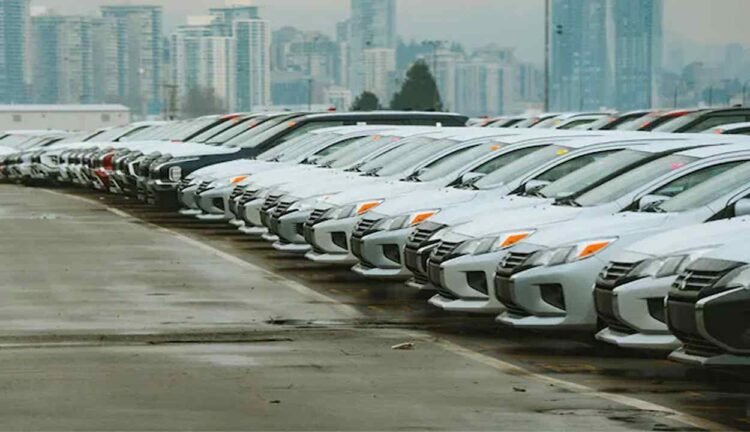
December Wholesales Show Sharp Year-on-Year Growth
Domestic passenger vehicle wholesales recorded a significant jump of nearly 26 percent in December compared to the same month last year. Close to 405,000 units were dispatched from manufacturers to dealerships, reflecting strong retail demand across key segments. One of the primary drivers behind this growth was the rationalisation of the goods and services tax implemented earlier in September, which helped make vehicle prices more attractive for consumers.
In addition to tax benefits, year-end promotional offers and discounts encouraged buyers to finalise purchases before the close of the calendar year. Many customers also advanced their buying plans to avoid the price hikes announced by automakers for January, further boosting December volumes.
Record Annual Sales Achieved in 2025
Despite slower demand during the first half of the year, total passenger vehicle wholesales for calendar year 2025 reached a record high of approximately 4.55 million units. This represented an annual growth of 5.7 percent, highlighting the resilience of the market even amid periods of subdued sentiment earlier in the year.
Industry experts pointed out that the annual growth figure does not fully reflect the strength seen in the latter months. Demand remained relatively muted during the first half, but the situation changed notably after the tax rate reduction, with sales momentum building steadily from October onwards.
Two Distinct Phases Define Market Performance
Senior industry leaders have described 2025 as a year divided into two clear phases: the period before the tax rationalisation and the period after it. The post-reform phase witnessed a marked improvement in showroom footfalls, booking volumes, and dealer confidence. This shift played a crucial role in reviving the market during the festive season and sustaining growth through the year’s end.
Manufacturers responded quickly by ramping up production and dispatches, ensuring adequate supply to meet rising demand. Several carmakers reported their best-ever December sales, with some brands registering growth of up to 37 percent compared to the previous year.
SUV Dominance and Small Car Recovery
Sport utility vehicles continued to strengthen their position within the passenger vehicle mix. SUV penetration increased to nearly 56 percent of total sales, up from around 54 percent in 2024. Buyers were drawn to SUVs due to their improved fuel efficiency, enhanced features, and broader model availability across price points.
At the same time, small cars showed early signs of recovery following the tax rate cut. Improved affordability and renewed interest from urban and first-time buyers helped stabilise this segment, which had faced pressure in recent years due to rising costs and shifting consumer preferences.
Outlook for the Next Financial Year
According to a recent assessment by ICRA, wholesale volume growth in the next financial year is expected to remain moderate, ranging between 1 and 4 percent. The outlook is supported by stable consumer demand, continued policy support, new product launches, and sustained momentum in popular segments.
The agency also highlighted broader growth across the automotive ecosystem. During November, three-wheeler sales rose by over 21 percent, while two-wheeler sales increased at a similar pace, reflecting improved mobility demand and better market sentiment.
Two-Wheeler and Scooter Demand Remains Strong
Within the two-wheeler category, scooter sales posted particularly strong growth of nearly 30 percent, driven largely by urban demand and increasing preference for convenient personal mobility options. Motorcycle sales also grew at a healthy rate, supported by consistent demand from rural and semi-urban markets.
Industry observers believe that supportive reforms, improving income levels, and better financing availability will continue to aid overall vehicle demand. If macroeconomic conditions remain stable, the positive trend seen toward the end of 2025 is expected to extend well into 2026.