
Energy – Developing Nations Question Quality of Imported Green Technology from China
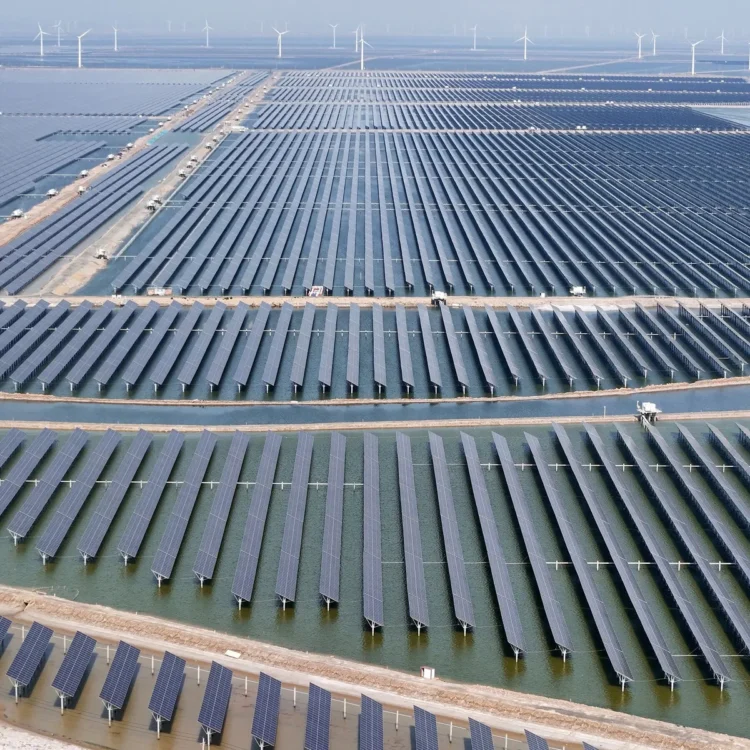
Energy – China’s growing role as a major exporter of renewable energy equipment is facing increasing scrutiny from several developing regions, including parts of Africa, South Asia, and Latin America. A recent report highlights concerns raised by governments and industry stakeholders who claim that imported Chinese solar panels, wind turbines, and battery systems often fall short of expectations, particularly under local environmental conditions.
Concerns Over Product Performance and Durability
Several countries that have adopted Chinese renewable energy technologies report recurring technical issues. Solar panels have reportedly struggled to endure extreme weather, while wind turbines in some regions have demonstrated shorter operational lifespans than anticipated. These challenges have raised questions about the long-term reliability of such systems, especially in climates that differ significantly from those where the equipment was originally designed and tested.
In Southeast Asia and parts of Africa, officials have pointed to frequent equipment failures that disrupt power generation efforts. Maintenance requirements have also proven higher than expected, adding to operational costs and delaying electrification initiatives in rural and underserved areas.
Financing Structures Raise Dependency Risks
Beyond technical concerns, the report also draws attention to the financial frameworks tied to these projects. According to the findings, Chinese funding for renewable energy infrastructure is often linked to mandatory procurement conditions. Countries receiving loans are typically required to purchase Chinese-made equipment, effectively limiting their ability to explore alternative suppliers.
This arrangement has led to a growing dependence on Chinese companies not only for initial installations but also for spare parts, technical support, and system upgrades. Over time, this reliance can reduce flexibility for recipient nations, particularly when attempting to diversify their energy partnerships or negotiate better terms.
Cost Advantages Offset by Long-Term Expenses
Chinese renewable energy products are widely known for their competitive pricing, largely supported by large-scale domestic production and state backing. While these lower upfront costs have made them attractive to developing economies, the report suggests that the financial benefits may diminish over time.
Frequent repairs, shorter equipment lifespans, and replacement needs can increase the total cost of ownership. In some cases, governments have found themselves allocating additional funds to maintain or replace infrastructure sooner than initially planned, placing strain on already limited budgets.
Challenges in Grid Integration and Efficiency
Another issue highlighted is the integration of imported renewable systems into existing power grids. In several countries, compatibility challenges have resulted in inefficiencies, requiring further investment in adjustments and upgrades. These complications have slowed down energy distribution and, in some instances, delayed broader electrification goals.
In Latin America, for example, wind energy installations sourced from China have been compared unfavorably with alternatives from other regions, particularly in terms of durability and long-term performance.
Strategic Implications for Developing Nations
The report suggests that China’s expanding footprint in renewable energy exports may carry broader geopolitical implications. By becoming a primary supplier of green technology, China is positioning itself as a central player in the global energy transition. However, critics argue that this approach may limit the strategic autonomy of recipient countries.
Heavy reliance on a single supplier can make it more difficult for nations to balance relationships with other global partners. This dynamic may influence decision-making in areas beyond energy, including trade negotiations and international diplomacy.
Growing Debate on Fair Partnerships
Leaders in some regions have begun to openly question the nature of their energy partnerships with China. There is a growing perception that these arrangements may resemble imbalanced economic relationships, where long-term obligations outweigh immediate benefits.
Concerns have also been raised about the lack of meaningful technology transfer. Without access to technical knowledge or manufacturing capabilities, recipient countries may struggle to build their own renewable energy industries, limiting opportunities for local growth and innovation.
As global demand for clean energy continues to rise, the debate over the quality, financing, and strategic impact of imported technologies is likely to intensify. Policymakers across developing regions are increasingly weighing the benefits of rapid infrastructure development against the potential risks of long-term dependency.