
ABS Mandatory From 2026: ABS Mandate Set to Transform Two-Wheeler Safety Standards in India from 2026
ABS Mandatory From 2026: Every year, road accidents involving motorcycles and scooters claim a significant number of lives across India. Two-wheelers are among the most commonly used modes of transport in the country, making rider safety a critical national concern. Recent accident statistics reveal that a large proportion of fatal road mishaps involve two-wheelers, often due to loss of control during sudden braking or inadequate protective gear. In response to these challenges, the Indian government has taken a decisive step aimed at improving road safety and reducing fatalities among riders.
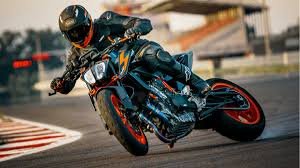
Growing Concern Over Two-Wheeler Accidents
India continues to witness a high volume of two-wheeler usage due to affordability, convenience, and fuel efficiency. However, this popularity also comes with increased exposure to road risks. A significant number of accidents occur when riders lose balance during emergency braking situations, leading to skidding and severe injuries. Head injuries, in particular, remain one of the leading causes of death in such accidents. These alarming trends have pushed policymakers to rethink safety norms for motorcycles and scooters across all segments.
Government’s Decision to Make ABS Mandatory
To address the issue of skidding and loss of control, the Ministry of Road Transport and Highways has announced a major regulatory change. From January 1, 2026, all new two-wheelers sold in India will be required to come equipped with Anti-lock Braking System technology, irrespective of engine capacity. This marks a significant shift, as earlier regulations mandated ABS only for higher-capacity motorcycles. The decision aims to ensure uniform safety standards across entry-level and premium two-wheelers alike.
Why ABS Is Considered a Game Changer
Anti-lock Braking System technology helps prevent wheel lock-up during sudden braking, allowing riders to maintain steering control even in emergency situations. This is particularly useful on slippery or uneven road surfaces where traditional braking systems often fail. By reducing skidding, ABS significantly lowers the chances of crashes and minimizes the severity of injuries. Safety experts believe that widespread adoption of this technology can lead to a noticeable reduction in fatal accidents over time.
Mandatory Provision of Two Helmets
Alongside the ABS mandate, the government has also introduced another important safety measure. Two-wheeler dealerships will now be required to provide two BIS-certified helmets with every new vehicle sold. This move ensures that both the rider and the pillion passenger have access to certified protective gear from day one. The decision reflects the government’s intent to promote responsible riding habits and increase helmet usage, which has proven to be one of the most effective ways to prevent fatal head injuries.
Impact on Vehicle Prices and Consumers
While these safety measures are widely welcomed, they are expected to have a financial impact on buyers. The addition of ABS hardware and compliance with updated safety regulations will likely increase manufacturing costs. As a result, entry-level motorcycles and scooters may see a price hike of up to Rs 8,000. For budget-conscious consumers, this could mean higher upfront costs. However, safety advocates argue that the long-term benefits far outweigh the additional expense, especially when measured against the value of human life.
Time Given to Manufacturers for Transition
The announcement was made well in advance to allow two-wheeler manufacturers adequate time to adapt their production lines and supply chains. By providing a clear timeline, the government aims to ensure a smooth transition without disrupting vehicle availability in the market. Manufacturers are expected to use this period to optimize costs, improve technology integration, and educate consumers about the benefits of enhanced safety features.
A Step Toward Safer Roads
The mandatory introduction of ABS and certified helmets represents a significant milestone in India’s road safety journey. These measures signal a shift from reactive policies to preventive strategies that focus on reducing accident severity rather than merely addressing consequences. As awareness grows and safer vehicles become the norm, India can expect gradual but meaningful improvements in two-wheeler safety outcomes.