
Parliament – Opposition Raises Concerns Over Women’s Reservation Amendments Timing
Parliament – The political discourse around amendments to the Women’s Reservation Act, 2023 has intensified, with fresh exchanges between the government and the opposition highlighting differences over timing, consultation, and implementation.
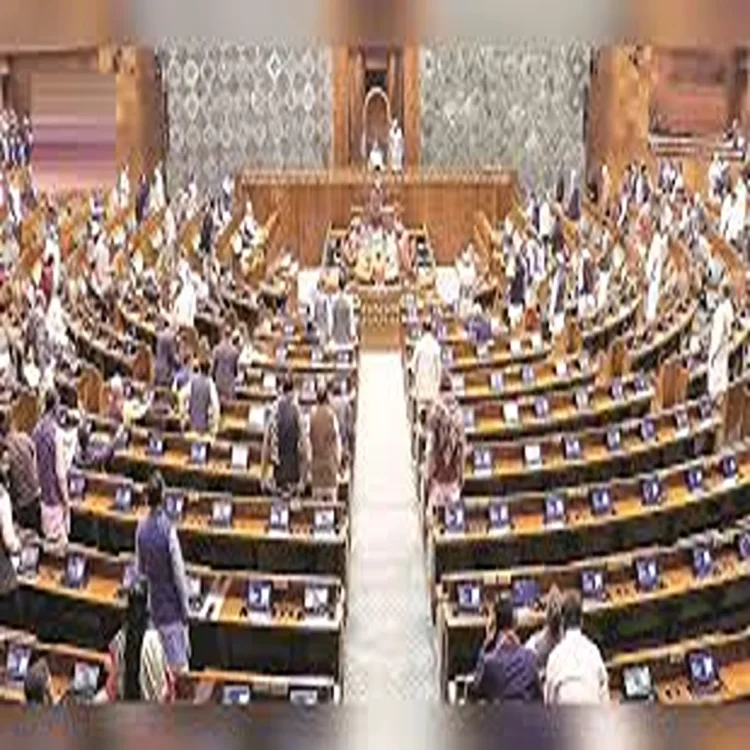
A day after the Prime Minister appealed to leaders across political parties to support proposed amendments during the upcoming special session of Parliament, Congress president Mallikarjun Kharge expressed reservations about the process. In a letter addressed to the Prime Minister on Sunday, Kharge said it would be difficult to hold a meaningful discussion without clear information on delimitation and related provisions.
Opposition Calls for Wider Consultation After State Elections
Kharge urged the government to convene an all-party meeting after the completion of ongoing state elections on April 29. He argued that holding a special parliamentary session between April 16 and April 18, while elections are still underway, creates an impression that the government is attempting to fast-track the legislation for political reasons.
In his communication, Kharge pointed out that when the Nari Shakti Vandan Adhiniyam was passed unanimously in September 2023, the Congress had supported its immediate implementation. However, he noted that more than two years have passed since then, and the government is now seeking cooperation without providing detailed information on how delimitation will be carried out.
Government Responds, Emphasises Urgency of Implementation
Kharge’s letter drew a prompt response from Union Parliamentary Affairs Minister Kiren Rijiju, who defended the government’s approach and rejected the concerns raised by the opposition. His reply marked the beginning of a sharp exchange between the two sides.
Rijiju stated that delaying action on women’s reservation would undermine long-standing commitments made to women across the country. He maintained that the law, passed with consensus in 2023, reflected a shared national objective and should now be implemented without further postponement.
He also highlighted the timeline, noting that if amendments are not addressed soon, there is a risk that women’s reservation may not be in place in time for the 2029 general elections. According to him, this makes the present moment appropriate for moving forward with necessary legislative steps.
Debate Over Timing and Political Intent
The disagreement has brought attention to the broader issue of political timing. Kharge suggested that scheduling the special session during ongoing state polls could influence public perception and raise questions about intent. He reiterated that meaningful discussions require transparency, particularly on complex issues such as constituency delimitation.
On the other hand, the government has framed the move as a necessary step to meet public expectations and ensure that the law is operational within a reasonable timeframe. Officials argue that postponing discussions could lead to further delays in implementation.
Government Claims Ongoing Stakeholder Engagement
Addressing concerns about lack of consultation, Rijiju stated that the government has been engaging with various stakeholders since mid-March 2026. He mentioned that discussions had taken place with several political leaders, including senior members of the opposition, during the Budget session.
According to him, these interactions demonstrate that the government has not acted in isolation and has sought input from different quarters before moving ahead with the proposed amendments.
Continuing Political Exchange
The exchange between Kharge and Rijiju underscores the continuing differences between the government and the opposition on key legislative issues. While both sides agree on the importance of women’s reservation, they remain divided over the process and timing of its implementation.
As the special session approaches, the debate is expected to intensify, with parties likely to press their positions on consultation, transparency, and electoral considerations.