
Parliament – Sonia Gandhi Questions Timing of Delimitation and Women’s Bill Debate
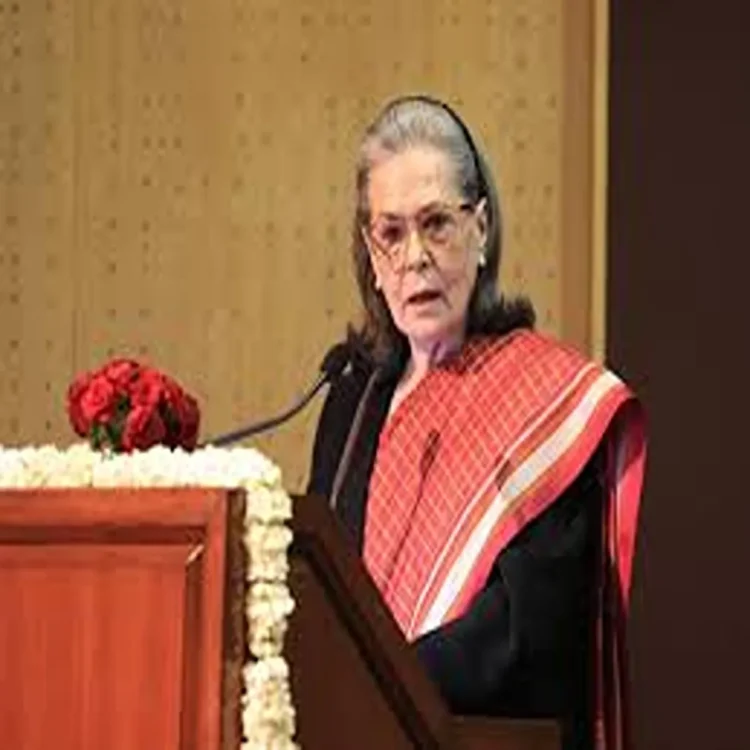
Parliament – Senior Congress leader Sonia Gandhi has raised strong concerns over the Centre’s approach to proposed changes in parliamentary representation, calling the delimitation exercise linked to women’s reservation a serious constitutional issue. Writing in a national daily, she argued that the manner and timing of these decisions warrant wider consultation and deeper public discussion.
Concerns Over Delimitation Process
Gandhi described the proposed delimitation exercise, which could significantly increase the number of Lok Sabha seats, as potentially harmful if carried out without transparent and updated data. She cautioned that relying on unofficial or outdated information could lead to unintended consequences, affecting the balance of representation across states.
According to her, the issue is not about opposing women’s reservation. Instead, she emphasized that linking it directly with delimitation before the completion of the next census could complicate the process. She stressed that such structural changes should be handled carefully, given their long-term impact on the democratic framework.
Opposition’s Demand for Wider Consultation
The Congress leader also pointed out that opposition parties had repeatedly requested an all-party meeting to discuss the government’s proposals. These requests, she noted, were made multiple times but were not accepted.
She suggested that a broader political dialogue could have helped build consensus on such a significant reform. Gandhi questioned why the government was unwilling to wait until after ongoing electoral processes to initiate discussions, arguing that this would have allowed for more informed participation from all stakeholders.
Criticism of Government’s Approach
In her article, Gandhi criticized what she described as a unilateral decision-making style. She expressed concern that major constitutional amendments were being introduced in haste, without adequate debate or scrutiny.
She also questioned the need for a special parliamentary session scheduled for mid-April, suggesting that the proposed amendments could instead be taken up during the regular monsoon session. According to her, this would provide sufficient time for political parties and the public to examine the proposals in detail.
Government’s Proposed Amendments
The Centre is preparing to introduce amendments to the Nari Shakti Vandan Adhiniyam, which aims to reserve 33 percent of seats for women in the Lok Sabha and state assemblies. The original framework linked the implementation of reservation to a fresh census and subsequent delimitation.
However, with delays in conducting the census, the government is reportedly considering using data from the 2011 census as a basis for moving forward. The proposed changes may also lead to a substantial increase in Lok Sabha seats, potentially rising from 543 to 816.
A separate bill on delimitation is expected to accompany these amendments. Both proposals would require constitutional approval, making parliamentary consensus crucial.
Broader Political Context
Congress President Mallikarjun Kharge, sharing Gandhi’s views, indicated that the opposition believes delimitation is at the core of the current debate, rather than women’s reservation alone. He suggested that other issues, including the caste census, may also be indirectly affected by the government’s approach.
Meanwhile, Union Parliamentary Affairs Minister Kiren Rijiju has urged opposition leaders to support the proposed changes, highlighting the importance of advancing women’s representation in legislative bodies.
Need for Balanced Deliberation
The debate around delimitation and women’s reservation has brought attention to the complexities of electoral reforms in India. While there is broad agreement on enhancing women’s participation in politics, differences remain on how and when these changes should be implemented.
Gandhi’s remarks underline the need for careful planning and inclusive discussion when introducing reforms that reshape the country’s political structure. As Parliament prepares for the upcoming session, the focus is likely to remain on balancing urgency with due process