
Diplomacy – Congress Questions India’s Role as Pakistan Hosts Key Talks
Diplomacy – India’s main opposition party has raised concerns over the government’s diplomatic approach after Pakistan emerged as the venue for fresh talks between the United States and Iran. The development has triggered a political debate, with the Congress party questioning whether India missed an opportunity to play a more prominent role in efforts aimed at easing tensions in West Asia.
Concerns Over Pakistan’s Emerging Role
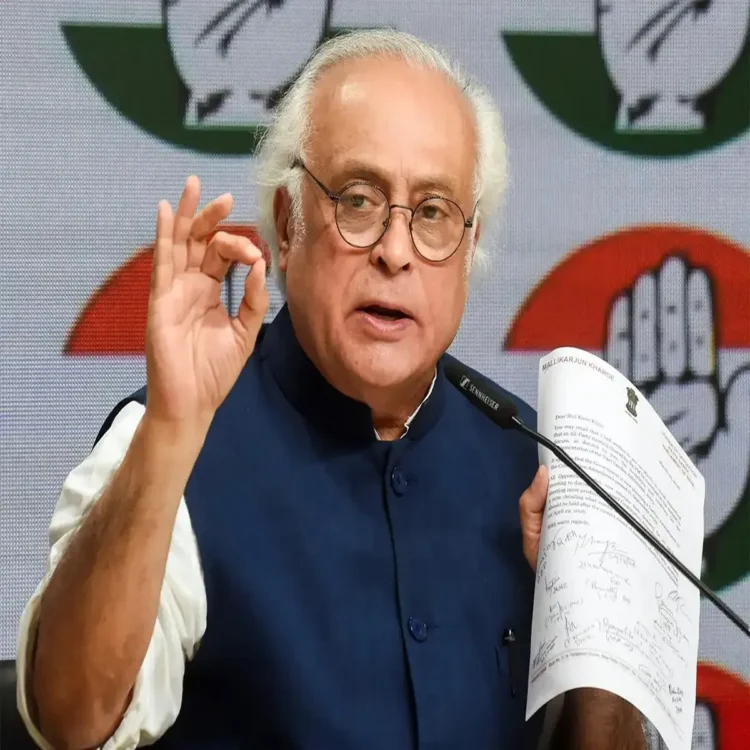
Congress leader Jairam Ramesh criticized the situation, pointing out that Pakistan’s involvement in facilitating discussions between Washington and Tehran could weaken India’s long-standing position of diplomatically isolating its neighbor over terrorism-related issues. According to him, Islamabad’s new role in the peace process signals a shift that may not align with India’s strategic interests.
He noted that the meeting between the US and Iran in Islamabad has drawn global attention, with many countries hoping it could mark the beginning of a stable and lasting peace process in the region. However, he suggested that India’s absence from such discussions raises questions about its influence in regional diplomacy.
Call for Stability in West Asia
Ramesh also emphasized the importance of restoring calm in West Asia, a region that has witnessed heightened tensions in recent months. He highlighted the need for normalcy in critical areas such as the Strait of Hormuz, a key global oil transit route, which has been affected by ongoing hostilities.
The Congress leader expressed hope that ongoing diplomatic efforts would help reduce conflict and prevent further escalation. He also referred to concerns about continued military actions in the region, suggesting that sustained peace would require restraint from all sides involved.
Ceasefire Brings Temporary Relief
The recent announcement of a two-week ceasefire between the United States, Israel, and Iran has been cautiously welcomed by the international community. Observers see it as a temporary but important step toward de-escalation after weeks of heightened tensions that began earlier this year.
Ramesh pointed out that the conflict had intensified following targeted attacks on key figures in Iran, which further destabilized the situation. While the ceasefire offers a pause, its long-term impact remains uncertain, and global leaders continue to monitor developments closely.
Questions on India’s Diplomatic Strategy
The Congress leader also linked these developments to India’s foreign policy direction, suggesting that recent diplomatic engagements may have affected the country’s global standing. He raised concerns about whether India has effectively leveraged its position in international forums to influence outcomes in the region.
In particular, he questioned why India, as a prominent member of global groupings, did not take the initiative to mediate or propose a peace framework. He noted that several countries involved in the conflict are also part of multilateral platforms where India holds a leadership role, making its absence from direct engagement more noticeable.
Comparison With Past Diplomatic Efforts
Drawing a comparison with previous governments, Ramesh argued that earlier administrations had successfully isolated Pakistan on the global stage following major terror incidents. He suggested that the current situation reflects a shift, where Pakistan appears to have regained diplomatic space despite past concerns raised by India.
He also referred to recent terror-related incidents and questioned how Pakistan has managed to reposition itself internationally despite ongoing allegations and tensions.
Broader Implications for Regional Politics
The evolving situation highlights the complex nature of global diplomacy, where alliances and roles can shift rapidly based on changing geopolitical interests. Analysts believe that Pakistan hosting such talks indicates a recalibration of regional dynamics, which could have long-term implications for South Asia.
As discussions between global powers continue, India’s diplomatic choices and responses are likely to remain under scrutiny, both domestically and internationally. The coming weeks may provide clearer insights into how these developments shape future engagement in West Asia.