
Food – Traditional Punjabi Lassi Remains a Baisakhi Favourite Drink
Food – Punjabi lassi continues to hold a special place during the Baisakhi festival, known for its cooling effect and simple preparation.
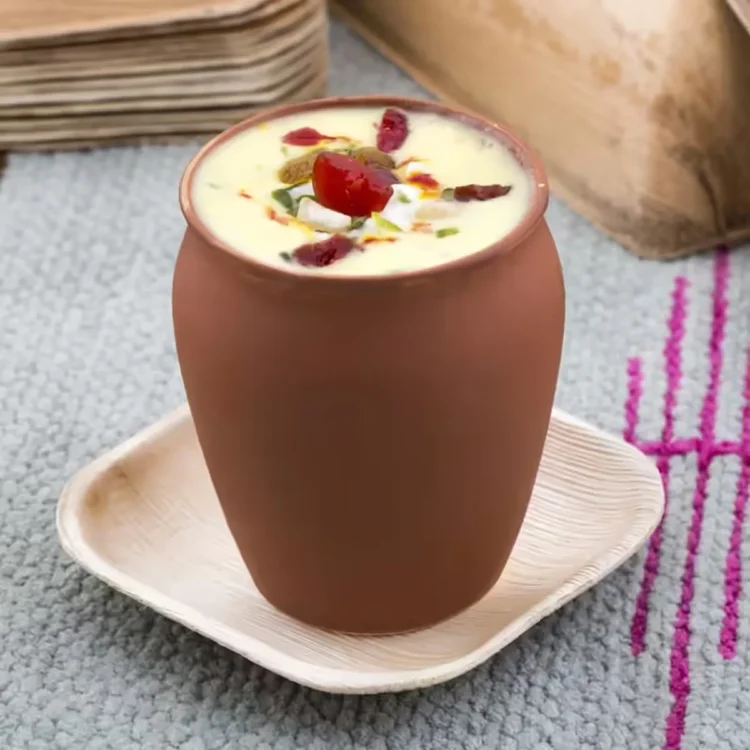
When Baisakhi arrives each year, it brings along an unmistakable festive mood filled with vibrant attire, energetic music, and rich food traditions. Among these familiar elements, a chilled glass of lassi stands out as a comforting and widely loved drink. Its creamy texture and mild sweetness make it a natural companion to the celebratory atmosphere.
A Drink Rooted in Punjab’s Daily Life
Punjabi lassi is not just a festive beverage; it has long been part of everyday life in rural Punjab. In traditional farming households, milk from cows and buffaloes was plentiful. Families would set this milk into thick curd and churn it manually using wooden tools in large vessels.
This process required minimal effort but produced a rich, smooth drink that quickly became a staple in daily meals. Over generations, lassi evolved from a household necessity into a cultural symbol closely associated with Punjab’s identity.
Why Lassi Becomes Popular During Baisakhi
Baisakhi marks the harvest season, a time of joy and community gatherings. Families come together to celebrate with music, dance, and elaborate meals. Dishes such as makki di roti, sarson da saag, and chole kulche are commonly served during this period.
After consuming these hearty foods, lassi offers a refreshing balance. Its cooling nature helps soothe the palate and aids digestion, making it suitable for people of all age groups. This is one reason why it remains a preferred beverage during festive feasts.
Nutritional Value and Summer Benefits
The main ingredient of lassi is curd, which naturally contains essential nutrients such as protein and calcium. It also includes probiotics, which are known to support digestive health, particularly in warmer months when the body requires lighter and cooling foods.
The drink can be customised easily. Ingredients like cardamom, saffron, rose water, or chopped nuts are often added for flavour. For those looking for healthier alternatives, jaggery or honey can be used instead of refined sugar. Using fresh, full-fat curd enhances both taste and consistency.
Simple Recipe for Sweet Punjabi Lassi
A classic sweet lassi can be prepared at home with a few basic ingredients. Start with thick curd, add a small amount of chilled water, and mix in jaggery powder for sweetness. A pinch of cardamom powder enhances the aroma, while a few ice cubes help achieve the desired chilled texture.
Blend the mixture until it becomes smooth and frothy. Once ready, pour it into tall glasses and top it with fresh malai for added richness. Garnishing with chopped pistachios or almonds gives it a traditional finish. For an extra cooling effect, it can be refrigerated briefly before serving.
Why It Works as a Balanced Beverage
Punjabi lassi is more than just a refreshing drink. It combines taste with nutritional value. A typical serving provides a moderate amount of calories along with protein, calcium, and healthy fats. The presence of probiotics further adds to its health benefits.
Malai contributes to energy content, while nuts provide small amounts of essential minerals and antioxidants. Together, these elements make lassi a nourishing option, especially during hot weather.
Common Questions Around Punjabi Lassi
Many people prefer preparing lassi without modern appliances. It can be easily whisked by hand using a traditional churner or even a spoon until it reaches a frothy consistency.
For best results, fresh full-fat curd is recommended as it gives the drink a thicker and creamier texture. Those avoiding sugar can substitute it with jaggery, honey, or even natural sweeteners like dates.
Lassi is often compared with buttermilk, but the two are different. While lassi is thick, creamy, and sometimes sweet, buttermilk is lighter, thinner, and usually has a salty taste.
Punjabi lassi continues to remain a timeless drink, blending tradition, taste, and nutrition in a single glass, especially during festive occasions like Baisakhi.