
Parliament – TDP Backs Seat Expansion Plan Amid Delimitation Debate
Parliament – A key ally of the ruling coalition at the Centre, the Telugu Desam Party (TDP), has voiced strong support for the proposed amendments to the Women’s Reservation Bill, while also addressing concerns surrounding the anticipated delimitation exercise. The party has sought to reassure critics, particularly from southern states, that the planned increase in Lok Sabha seats would not disrupt the current balance of representation across regions.
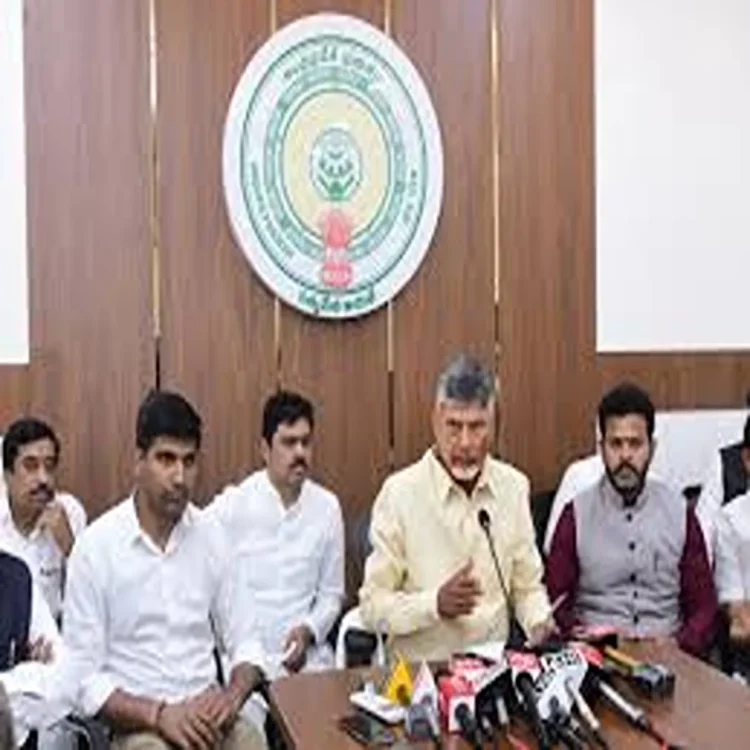
TDP Emphasises Proportional Representation
Lavu Krishna Devarayalu, leader of the TDP’s parliamentary wing, stated that the expansion of Lok Sabha seats would be carried out in a way that preserves the proportional share of each state. According to him, even with a significant increase in total seats, the percentage representation of individual states would remain consistent.
He explained that if the strength of the Lok Sabha grows by around 50 percent, each state’s share would expand proportionately. For example, Kerala, which currently holds roughly 3.6 percent of the total 543 seats, would continue to maintain a similar share after the expansion, with an increased number of seats reflecting that proportion.
Concerns Raised by Opposition Parties
The TDP’s clarification comes against the backdrop of growing criticism from several opposition parties. These parties have argued that the proposed delimitation, especially when linked with population-based calculations, could lead to an imbalance favoring northern states with larger populations.
Critics have expressed apprehension that states like Uttar Pradesh could see a more significant increase in seats compared to southern states such as Tamil Nadu or Kerala. This, they argue, might reduce the political influence of the southern region in national decision-making.
However, the TDP has dismissed these fears, maintaining that proportional allocation would ensure fairness and prevent any region from being disadvantaged.
Cabinet Clears Proposal for Lok Sabha Expansion
The debate intensified following the Union Cabinet’s approval of a draft proposal to expand the Lok Sabha from 543 to 816 seats. Of these, 273 seats are expected to be reserved for women under the revised framework of the Women’s Reservation Bill.
The proposed changes are expected to be implemented ahead of the 2029 general elections. Notably, both the reservation for women and the delimitation process are planned to be based on data from the 2011 Census, rather than waiting for updated population figures.
Government Consultation and State Participation
Addressing claims that opposition voices were not adequately considered, Devarayalu rejected the criticism and stated that stakeholders were given sufficient opportunity to present their views. He noted that representatives from his party had engaged in detailed discussions with the Union Home Minister and that their concerns had been acknowledged.
According to him, the consultation process included inputs from various states, and efforts were made to address apprehensions related to representation and regional balance.
Balancing Reform with Representation
The proposed expansion of the Lok Sabha and the implementation of women’s reservation mark a significant step in India’s electoral reforms. While the government maintains that these changes aim to enhance inclusivity and representation, the debate over delimitation highlights the complexities involved in balancing demographic realities with regional equity.
As discussions continue, the focus remains on ensuring that the reforms strengthen democratic participation without creating disparities among states. The coming months are likely to see further deliberations as political parties weigh in on the implications of these proposals.