
Transport – Odisha Faces Fresh Debate Over Bhubaneswar Metro Project Halt
Transport – A renewed discussion has emerged in Odisha over the future of the proposed Bhubaneswar Metro Rail Project after a senior Member of Parliament called on the state government to reconsider its recent decision to suspend the plan.
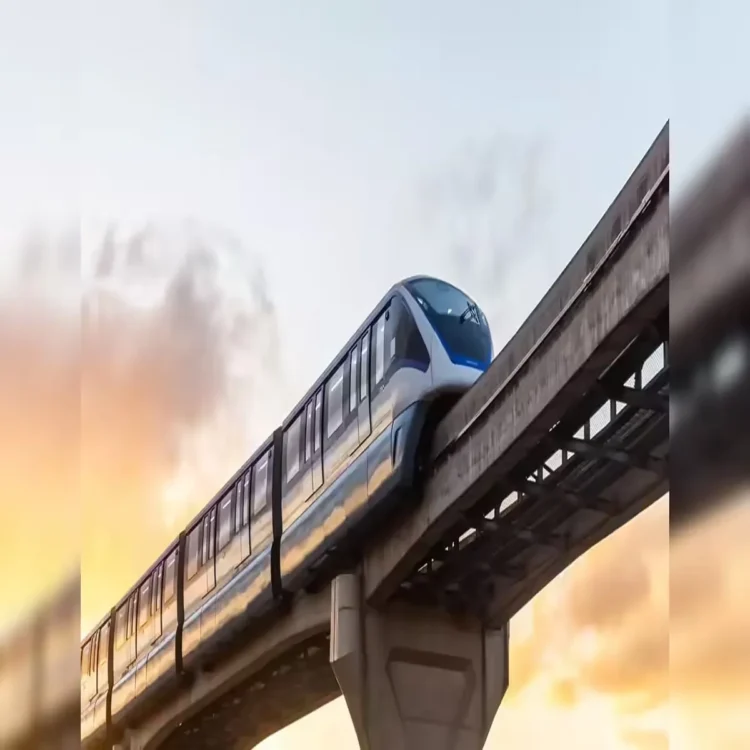
Concern Over Growing Urban Pressure
In a formal communication addressed to Chief Minister Mohan Charan Majhi, MP Aparajita Sarangi highlighted the mounting strain on Bhubaneswar’s infrastructure. She pointed out that the city has been expanding rapidly, with rising population levels contributing to worsening traffic congestion and increased pressure on public transport systems.
According to her, Bhubaneswar is approaching a critical stage where existing transport arrangements may no longer be sufficient. She stressed that a modern and efficient mass transit system is essential to ensure smooth mobility for residents and to support the city’s continued growth.
Metro Seen as Long-Term Solution
Sarangi described the metro rail system as a practical and forward-looking solution capable of addressing the city’s transportation challenges. She noted that such a system would not only serve Bhubaneswar but also benefit nearby urban centers like Cuttack, Jatni, and Khurda.
The proposed metro network, she explained, would offer a reliable and accessible mode of transport for a wide section of society. This includes students, working professionals, senior citizens, vendors, and individuals with disabilities, all of whom depend heavily on public transport for daily commuting.
Economic and Development Implications
The MP also warned that halting the project could have broader economic consequences. She argued that infrastructure initiatives like metro systems often generate significant economic activity, including job creation and increased investment opportunities.
Beyond transportation, she emphasized that such projects contribute to structured urban development and help cities evolve into modern, well-planned spaces. In her view, the metro project represents more than just a transit system; it is part of a larger vision to transform Bhubaneswar into a smart and future-ready city.
Population and Tourism Factors
Sarangi further noted that the combined population of Bhubaneswar, Cuttack, and Khurda strengthens the case for a metro network. With growing urban clusters, the demand for high-capacity transport solutions is expected to rise steadily.
She also highlighted the potential benefits for tourism. Improved connectivity could make it easier for visitors to reach key attractions such as Lingaraj Temple, Dhauli, and Nandankanan Zoological Park. Enhanced accessibility, she suggested, would support the state’s tourism sector and contribute to local economic growth.
Financial Considerations and National Context
Addressing financial concerns, Sarangi pointed out that a substantial amount—over Rs 274 crore—has already been invested in the project. She cautioned that delaying or abandoning the initiative could significantly increase future costs, potentially multiplying expenses several times over.
She also underlined that metro systems across India typically rely on government support and are not designed for immediate financial returns. Instead, they are viewed as long-term investments in urban infrastructure.
Citing national trends, she mentioned that metro rail systems are already operational in multiple Indian cities, with several more under construction or in planning stages, including in smaller urban centers.
Call for Reconsideration
Concluding her appeal, Sarangi urged the Odisha government to revisit the Cabinet’s decision taken on April 4. She offered to assist in coordinating with central authorities and exploring funding avenues to support the project.
Her letter reflects growing concern among policymakers about the future of urban mobility in Bhubaneswar and the need for sustainable solutions to meet the demands of a rapidly expanding city.