
Energy – US Signals Support to Ease Strait of Hormuz Shipping Disruptions
Energy – The United States has indicated it will take steps to assist in managing congestion in the Strait of Hormuz following a short-term truce agreement between Washington and Tehran. The announcement came shortly after both sides agreed to a two-week pause in hostilities, narrowly avoiding a deadline that had raised fears of further escalation.
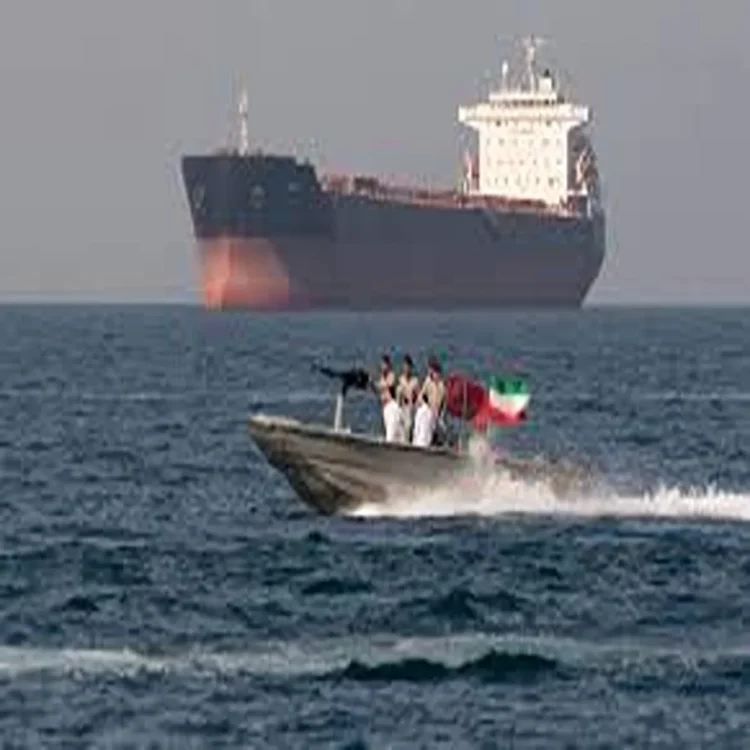
Temporary Truce Brings Immediate Relief
The ceasefire, reached just before a critical deadline set by the US administration, has created a brief window for de-escalation in a region that has seen heightened tensions in recent weeks. The agreement has helped calm immediate concerns about a broader conflict that could have severely disrupted global energy supplies.
Iran confirmed that it would allow controlled and secure movement of vessels through the Strait of Hormuz, a crucial maritime corridor responsible for transporting a significant share of the world’s oil. The waterway had faced severe disruptions due to ongoing tensions, causing delays and contributing to rising global crude prices.
Strategic Importance of the Strait
The Strait of Hormuz remains one of the most critical chokepoints in international trade, particularly for energy shipments. Any disruption in this narrow passage has immediate ripple effects on global markets, especially oil-dependent economies.
Recent weeks saw reduced shipping activity and logistical challenges as vessels faced uncertainty regarding safe transit. The temporary agreement now aims to restore confidence among shipping operators and energy markets.
US Plans to Support Maritime Flow
In a statement shared on his social media platform, President Donald Trump said the United States would play an active role in addressing the backlog of maritime traffic in the region. He noted that American efforts would focus on ensuring smoother operations and preventing further disruptions.
According to the statement, the US intends to position itself strategically to oversee developments and provide logistical support if required. This includes readiness to deploy necessary resources to stabilize shipping movement and maintain order in the waterway.
Iran Outlines Conditions for Safe Passage
Earlier, Iran’s Foreign Minister Abbas Araghchi stated that vessel movement through the strait would resume under coordinated arrangements involving Iran’s armed forces. He emphasized that technical considerations and operational limitations would be taken into account to ensure safe navigation.
This structured approach suggests that while access is being restored, it will be carefully managed to avoid further complications or security risks.
Shift in Tone Signals Diplomatic Opening
The latest developments mark a noticeable change in tone compared to statements made by the US administration just days earlier. Previously, strong warnings had been issued regarding potential military action, raising fears of a larger conflict.
Now, the messaging reflects cautious optimism, with references to economic recovery and regional development. President Trump expressed confidence that the situation would stabilize and hinted at broader opportunities for growth in the Middle East if peace is maintained.
Economic Implications and Market Response
The easing of tensions has already begun to influence global markets, particularly in the energy sector. Oil prices, which had surged due to supply concerns, are expected to stabilize if shipping activity returns to normal levels.
Industry analysts note that even a temporary resolution can provide significant relief to global supply chains. However, they also caution that the situation remains fragile and dependent on continued cooperation between the involved parties.
Looking Ahead
While the ceasefire offers a moment of respite, its limited duration means that long-term stability is still uncertain. Diplomatic engagement in the coming days will be crucial in determining whether this pause can evolve into a more lasting resolution.
For now, the focus remains on restoring normal operations in the Strait of Hormuz and ensuring that global energy flows remain uninterrupted.