
Geopolitics – Iran Intensifies Regional Strikes Amid Rising Tensions With United States
Geopolitics – Iran expanded its military operations across parts of the Middle East on Monday, launching a fresh round of missile and drone strikes while issuing a stern warning of severe retaliation if further attacks target civilian areas. The developments come amid sharply rising tensions with the United States and its allies, raising concerns about broader regional instability.
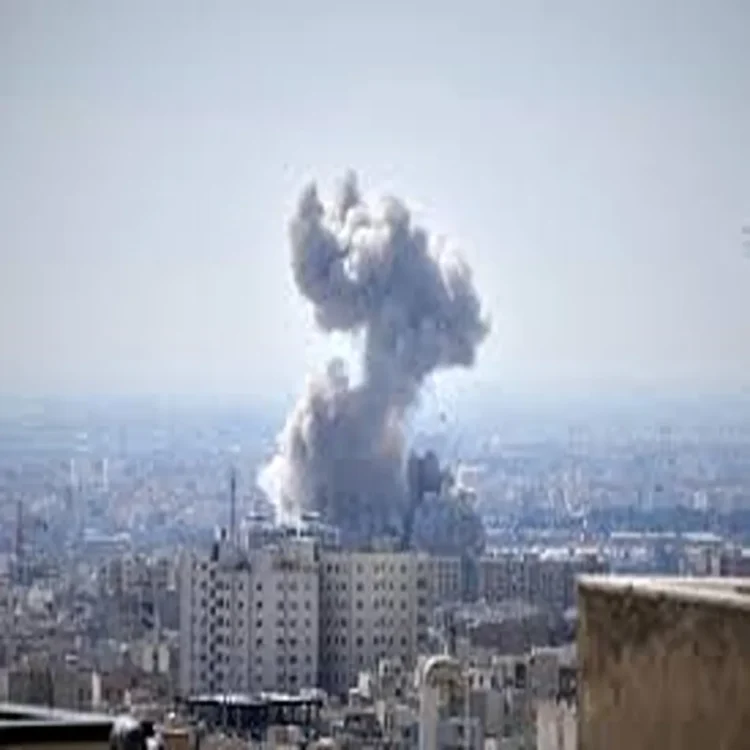
Missile Strikes Reported Across Multiple Countries
Authorities in Israel, Kuwait, and the United Arab Emirates confirmed early morning attacks involving missiles and unmanned aerial vehicles. In northern Israel, a missile struck a residential building in Haifa, leaving four individuals injured. Emergency teams responded quickly to contain damage and assist those affected.
Meanwhile, Gulf nations reported intercepting several incoming threats, as air defense systems were activated in response to the strikes. The United Arab Emirates also acknowledged an incident at the port of Khor Fakkan, where officials said they were managing the aftermath of an attack.
Tehran Issues Strong Warning on Civilian Targets
Iran’s central military command signaled a potential escalation, stating that any repeated strikes on civilian infrastructure would lead to a significantly intensified response. In an official statement shared via state media, military officials indicated that future operations could become more widespread and severe if provoked further.
This warning followed comments from US President Donald Trump, who called on Iran to reopen the Strait of Hormuz, a critical maritime route for global energy shipments. Trump also suggested that failure to comply could result in direct action targeting Iran’s infrastructure.
Israeli and Regional Military Activity Intensifies
Israel confirmed that its forces carried out a series of strikes targeting what it described as strategic sites in Tehran. At the same time, military operations extended into Lebanon, where United Nations peacekeepers cautioned that ongoing strikes near their positions could risk further escalation.
Inside Iran, reports indicated damage to residential areas in the capital, Tehran. State media also noted disruptions in gas supply in some parts of the city following an attack near a university facility.
Strait of Hormuz Blockade Raises Global Concerns
The situation has been further complicated by Iran’s effective closure of the Strait of Hormuz, a key passage for global oil transportation. The move has already influenced international markets, with oil prices rising sharply in early Asian trading. Benchmark crude prices crossed significant levels, reflecting fears of supply disruptions.
Regional leaders and analysts have warned that prolonged restrictions on the strait could have far-reaching economic consequences, particularly for energy-dependent nations.
Diplomatic Prospects Appear Limited
Despite indications from Washington that a potential agreement might still be within reach, experts remain skeptical. Security analysts suggest that under current conditions, the likelihood of a negotiated resolution remains low.
Iranian officials have also responded strongly to US statements, accusing Washington of aligning closely with Israeli leadership. The country’s parliamentary speaker warned that continued pressure could destabilize the entire region.
Russia has joined calls for restraint, urging the United States to avoid ultimatums and return to diplomatic engagement. Moscow emphasized the importance of dialogue in preventing further escalation.
US Airman Rescue Operation Adds Complexity
Amid the conflict, a US airman was successfully rescued after his aircraft went down inside Iranian territory. Reports indicated that the operation involved multiple aircraft, some of which were destroyed to prevent capture.
Iranian sources claimed that several foreign aircraft were shot down during the mission, while US officials have not confirmed the exact circumstances of the incident. Local reports also suggested casualties during the operation.
Civilian Life Continues Despite Uncertainty
Despite the heightened tensions, scenes from Tehran suggested that some residents continued daily activities. Public parks saw families gathering, with people engaging in leisure activities, reflecting a degree of resilience among civilians.
However, the broader situation remains volatile, with ongoing military actions and strong rhetoric on all sides. Observers warn that without meaningful diplomatic intervention, the risk of further escalation remains high.