
GlobalConflict – Trump Speech Signals Progress but Leaves War Goals Unclear
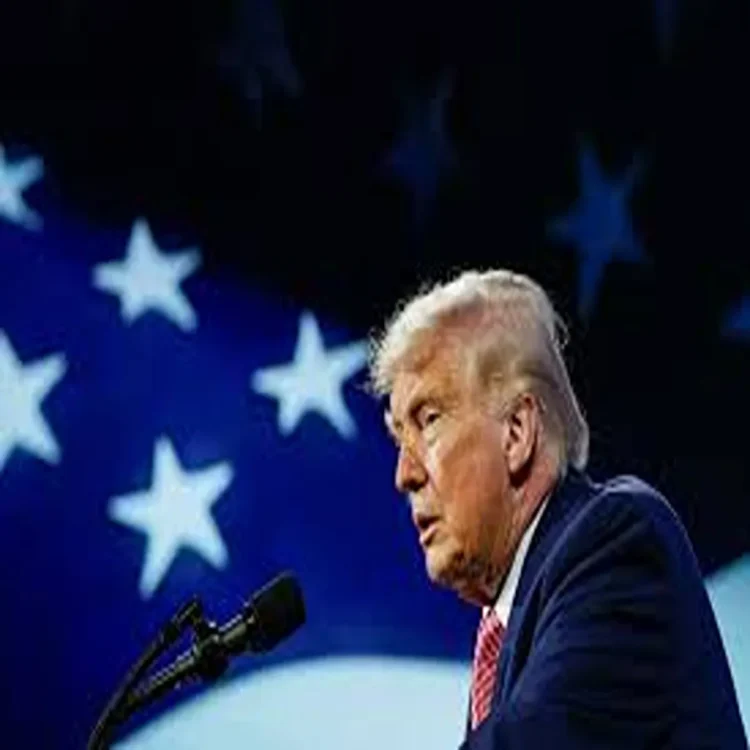
GlobalConflict – US President Donald Trump delivered a nearly 19-minute address that appeared less like a decisive update and more like a restatement of familiar positions. The speech revisited earlier warnings, repeated criticisms, and long-standing arguments, offering little in the way of new direction. While the tone suggested confidence, it stopped short of providing clarity on what success in the ongoing conflict would actually mean.
Unclear Definition of Strategic Objectives
A central claim of the address was that America’s main strategic goals are close to being achieved. Trump emphasized that the United States is “very close” to completion and indicated that the remaining steps would be taken swiftly. However, the administration has yet to clearly define these objectives in concrete terms.
Questions remain over whether the mission focuses on weakening Iran’s military strength, pushing for political change within the country, safeguarding key maritime routes, or aligning closely with Israel’s broader security goals. Without a consistent explanation, the idea of nearing completion becomes difficult to measure.
Risks of Ambiguous Success Metrics
The absence of clearly stated goals introduces a significant risk. When objectives are broad or evolving, the definition of success can shift depending on political narratives rather than measurable outcomes. This raises concerns about how and when the conflict might truly be considered over.
The speech did not resolve this uncertainty. Instead, it left open the critical question of what specific conditions would signal the end of military engagement and who would ultimately determine that point.
Mixed Messaging on De-escalation and Force
While the president suggested that the conflict could conclude soon, he also issued strong warnings of further military action. Iran was cautioned about the possibility of severe strikes and expanded operations in the coming weeks.
This combination of reassurance and threat created a mixed message. On one hand, there was talk of closure; on the other, indications of escalation. The lack of a consistent narrative made it difficult to assess the administration’s immediate direction.
Expectations Versus Reality
Ahead of the speech, speculation had grown around potential major announcements. Some expected a shift in alliances or even direct military operations targeting critical infrastructure. None of these developments were confirmed.
Instead, Trump revisited familiar themes, including Iran’s past actions, criticism of earlier diplomatic agreements, and claims that recent measures have weakened Tehran’s capabilities. For observers closely following the situation, the address offered little that was new.
Market Reaction Highlights Growing Concern
Despite the limited policy clarity, financial markets responded sharply. Oil prices rose significantly following the speech, reflecting concerns over prolonged instability and potential disruptions in supply. At the same time, US stock futures declined, indicating broader unease among investors.
This reaction underscores a key issue: uncertainty not only about the outcome of the conflict but also about the strategy guiding it. Markets tend to respond quickly to ambiguity, and the speech did little to reduce it.
Domestic Impact of Rising Energy Costs
Higher fuel prices are beginning to affect the domestic landscape. Since the conflict began, gasoline costs have increased notably, adding pressure on households and businesses. The administration has described the rise as temporary, attributing it to disruptions caused by Iran in regional shipping routes.
However, sustained increases could lead to growing public concern, particularly if the conflict continues without a clear resolution.
Strategic Importance of the Strait of Hormuz
At the center of the situation lies control over the Strait of Hormuz, a vital global shipping route. Trump expressed confidence that the passage would reopen naturally once tensions ease. This outlook contrasts with Iran’s position, which has signaled an intention to maintain restrictions.
So far, the US military has approached the area cautiously, avoiding direct confrontation. The future of this critical waterway remains a key factor in determining both economic and strategic outcomes.
Measured Approach Toward Allies
On international relations, the president adopted a more restrained tone than expected. While he urged allied nations to take on a greater share of responsibility, he avoided sharp criticism that could strain partnerships.
This measured approach suggests an effort to maintain cooperation while still emphasizing burden-sharing.