
Agriculture – Mango Prices Likely to Surge in Andhra Pradesh Amid Falling Output
Agriculture – Mango lovers in Andhra Pradesh may have to pay significantly more this year as a drop in production, driven by erratic weather patterns and pest infestations, has tightened supply even before the season reaches its peak. The situation has created concern among both consumers and traders, with early indicators pointing to a costly mango season ahead.
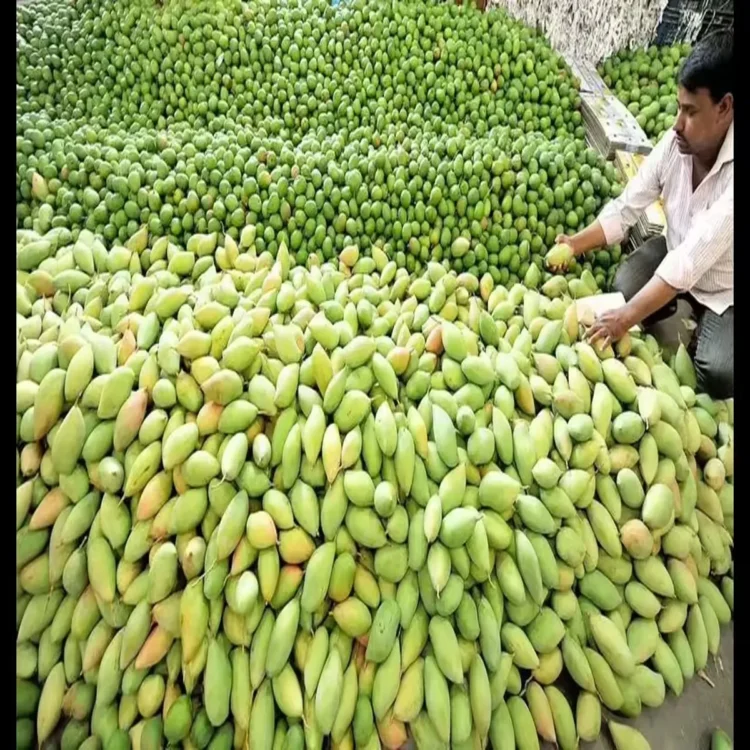
Production Decline Raises Concerns Across Key Districts
Farmers in major mango-producing regions, including Krishna, NTR, Eluru, Chittoor, Kurnool, YSR Kadapa, and Anantapur, report that while flowering initially appeared healthy, subsequent fruit development has been impacted. Climate-related stress and widespread black thrips infestation have disrupted fruit setting, resulting in lower yields than expected.
Officials estimate that production this season may reach only 60–70% of normal levels. Coastal areas have experienced noticeable crop damage, while the Rayalaseema region, despite a strong start, is now facing uncertainties as fruits fail to mature properly.
Pest Infestation and Weather Impact Farmers
The black thrips infestation has emerged as a major challenge for growers, particularly in recent years. In districts like NTR, crop losses have reportedly crossed 50%, with farmers struggling to control the pest despite repeated efforts. Unseasonal rains have further worsened the situation, adding to crop stress and reducing output.
Horticulture officials note that the infestation has persisted for several seasons, affecting both yield and fruit quality. Farmers cultivating mangoes across thousands of hectares are now facing financial pressure due to declining production.
Early Market Trends Signal Price Spike
The impact of reduced supply is already visible in market prices. In Reddigudem, located in NTR district, premium Banginapalli mangoes have fetched prices as high as Rs 2.30 lakh per tonne, while other grades are being sold for around Rs 1.75 lakh per tonne. Around 200 tonnes have already been exported at these elevated rates, indicating strong demand in international markets as well.
Traders believe that this early surge is a clear sign of what lies ahead, especially if supply remains limited in the coming weeks.
Delayed Arrivals Affect Market Activity
At Nunna, considered Asia’s largest mango market, trading has only just begun, but activity remains subdued. Compared to previous years, the number of operational shops has dropped sharply. Currently, only a couple of shops are functioning, while dozens typically operate during this time of the season.
Arrivals have also been significantly delayed, with just 20 tonnes recorded so far. In contrast, normal peak-season arrivals usually reach up to 200 tonnes per day. This delay of nearly three weeks has disrupted supply chains and added to price pressure.
Strong Demand Keeps Prices Firm
Despite reduced arrivals, demand for mangoes remains strong across domestic and export markets. Traders report that prices are currently ranging between Rs 40,000 and Rs 1 lakh per tonne, depending on the variety and quality. With supply expected to stay tight, prices are likely to remain elevated throughout the season.
Market experts suggest that unless there is a sudden improvement in arrivals, consumers may continue to face high prices, making mangoes less accessible to many households this year.
Outlook for the Season
Andhra Pradesh, which typically produces around 45 lakh metric tonnes of mangoes annually across nearly 3.98 lakh hectares, is expected to see a significant shortfall this year. The combination of climate fluctuations, pest attacks, and delayed arrivals has created a challenging scenario for both farmers and consumers.
As the season progresses, all eyes will remain on supply levels and market trends to determine whether prices stabilize or continue to rise.