
Energy – Government Absorbs Revenue Impact to Ease Fuel Price Burden
Energy – The central government has once again stepped in to cushion Indian consumers from the sharp rise in global oil prices, choosing to absorb financial pressure rather than pass on the full burden to the public. Union Petroleum and Natural Gas Minister Hardeep Singh Puri emphasized that this approach reflects a continued policy commitment to shield households from international market volatility.
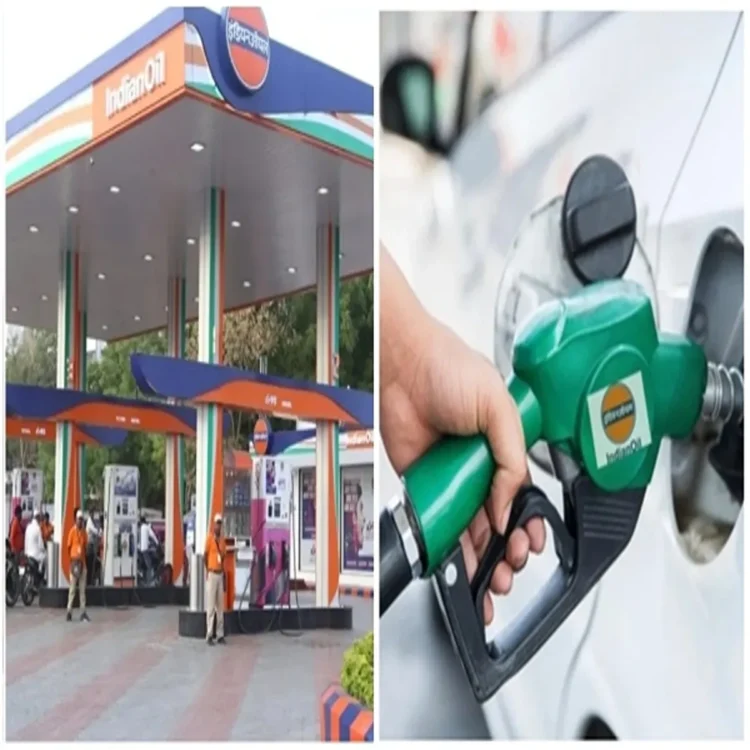
Government prioritises consumer protection amid global surge
Over the past month, international crude oil prices have climbed steeply, rising from roughly $70 per barrel to nearly $122 per barrel. This surge has led to significant fuel price increases across many parts of the world. However, India has opted for a different path by limiting the impact on domestic consumers.
According to the minister, several regions have already experienced substantial hikes, with Southeast Asia witnessing increases of up to 50 percent, North America around 30 percent, Europe approximately 20 percent, and parts of Africa seeing rises close to 50 percent. Against this backdrop, the Indian government chose to intervene rather than allow similar increases domestically.
Revenue sacrifice to offset losses of oil companies
Puri noted that oil marketing companies were facing heavy losses due to elevated global prices—estimated at about ₹24 per litre for petrol and ₹30 per litre for diesel. To address this, the government reduced its own tax earnings, effectively absorbing part of the financial strain.
He explained that policymakers were faced with two options: either pass on the increased costs directly to consumers or take on the fiscal burden themselves. The government chose the latter to maintain price stability for citizens.
Export duties introduced to manage domestic supply
In addition to tax reductions, authorities have imposed export duties on petroleum products. Refineries exporting diesel and aviation turbine fuel are now required to pay additional levies. This move is aimed at ensuring sufficient domestic availability while discouraging excessive exports during a period of high international demand.
Officials believe this dual approach—reducing excise duties and regulating exports—will help balance supply within the country while maintaining affordability for consumers.
Finance ministry announces excise duty cuts
Finance Minister Nirmala Sitharaman confirmed that excise duties on petrol and diesel for domestic use have been reduced by ₹10 per litre. The revision is expected to directly ease the cost burden on consumers and support economic stability during a period of global uncertainty.
Additionally, the revised structure sets excise duty at ₹3 per litre for petrol and eliminates it entirely for diesel. A windfall tax of ₹21.5 per litre has been imposed on diesel exports, while aviation fuel exports also attract higher duties.
Global tensions driving energy market volatility
The recent spike in oil prices is closely linked to geopolitical tensions in West Asia, including conflict involving major regional players and disruptions in key shipping routes. One of the most critical chokepoints, the Strait of Hormuz, has seen restrictions affecting global supply chains.
This passage typically handles a significant share of the world’s crude oil and gas shipments—between 20 and 25 million barrels per day. Prior to the current disruptions, India sourced around 12 to 15 percent of its oil imports through this route, making the situation particularly relevant for domestic energy security.
Policy measures framed under public interest provisions
The latest changes have been formalized through amendments under existing excise laws. Government notifications outline adjustments in duty rates and taxation structures, citing public interest as the primary reason for intervention.
Officials maintain that these steps are part of a broader strategy to manage inflationary pressures while ensuring that essential commodities remain accessible to the public.