
GeneticScreening – ANMOL Scheme Aims to Strengthen Early Newborn Care System
GeneticScreening – The introduction of the ANMOL scheme has been widely welcomed by medical experts, who believe it could significantly improve early diagnosis of genetic and metabolic disorders among newborns. The initiative focuses on identifying health conditions at the earliest possible stage, allowing critical cases to receive timely medical attention—especially within the crucial “golden hour” after birth.
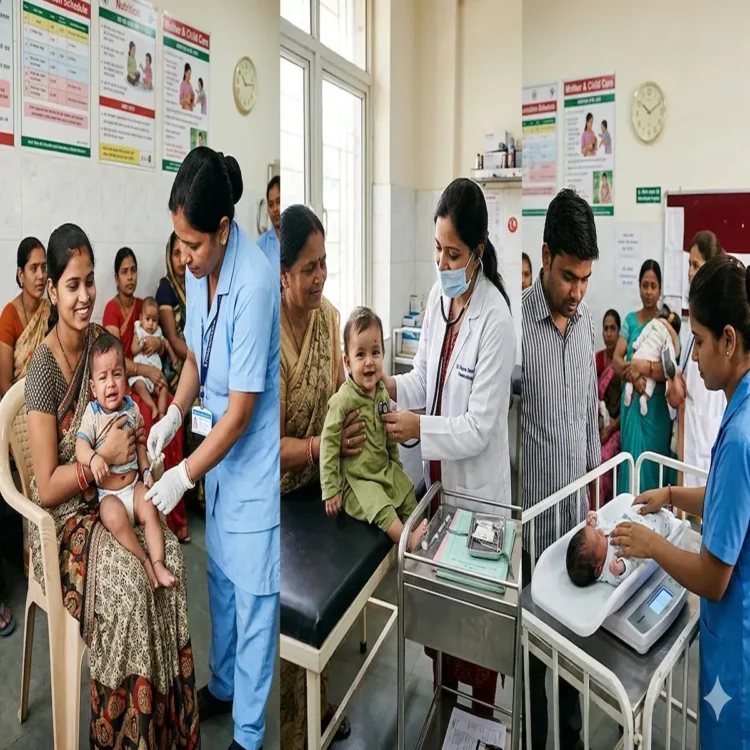
Comprehensive Testing for Newborns
Under the Advanced Newborn Monitoring for Optimal Lifecare (ANMOL) programme, infants will undergo up to 56 different screening tests using just a single drop of blood. These tests will be available at no cost to families and will be conducted across both government-run and private healthcare facilities.
Health professionals say this approach could transform neonatal care by making advanced diagnostics more accessible. Early detection often plays a decisive role in managing serious conditions, particularly those that may not show visible symptoms immediately after birth.
High Costs of Diagnosis and Treatment
Medical experts have pointed out that such diagnostic procedures are typically expensive in private healthcare settings. Screening tests alone can cost tens of thousands of rupees, while treatment for certain rare conditions may require long-term financial commitment.
In many cases, advanced testing can range from moderate to very high costs, and annual treatment expenses may climb into several lakh rupees. For families, especially those with limited resources, these costs can become overwhelming. By offering these services free of charge, the ANMOL scheme aims to remove financial barriers and ensure that more children receive timely care.
Prevalence of Genetic Conditions
Specialists estimate that around 2–3 percent of newborns may be affected by genetic or metabolic disorders. The proportion may appear higher in specialized hospitals due to referral patterns, where more complex cases are typically treated.
Early screening is particularly important for such conditions, as delayed diagnosis can lead to complications that are harder and more expensive to manage later. With structured testing under the new scheme, healthcare providers hope to improve outcomes and reduce long-term health risks.
Technology to Support Emergency Response
Alongside the screening initiative, the government is also planning to introduce a real-time monitoring system for ventilator bed availability. This digital system will cover both public and private hospitals, providing up-to-date information to patients and their families.
Experts believe this step will help reduce confusion during medical emergencies. Instead of making rushed decisions under pressure, families will be able to rely on accurate data when seeking critical care support.
Policy Vision Behind the Scheme
The ANMOL scheme was announced as part of the state budget, with a focus on improving child healthcare services and reducing the burden of expensive treatments. Officials emphasized that preventive care and early detection are key to addressing complex medical conditions effectively.
The initiative reflects a broader effort to make healthcare more accessible, efficient, and responsive to patient needs. By prioritizing newborn health, policymakers aim to build a stronger foundation for long-term public health outcomes.
A Step Toward Preventive Healthcare
Experts agree that the success of the scheme will depend on effective implementation and awareness among families. If executed properly, it has the potential to reshape how neonatal care is delivered, shifting the focus from treatment to prevention.
By combining free testing, early diagnosis, and improved hospital coordination, the ANMOL programme could play a vital role in reducing infant health risks and supporting families across the healthcare system.