
Slavery – UN Move Declares Transatlantic Slave Trade Gravest Crime
Slavery – The United Nations General Assembly is set to vote on a landmark resolution that formally recognizes the transatlantic African slave trade as the gravest crime against humanity. Supporters describe the move as a meaningful step toward acknowledging centuries of suffering and advancing the cause of justice for affected communities worldwide.
A Historic Push at the United Nations
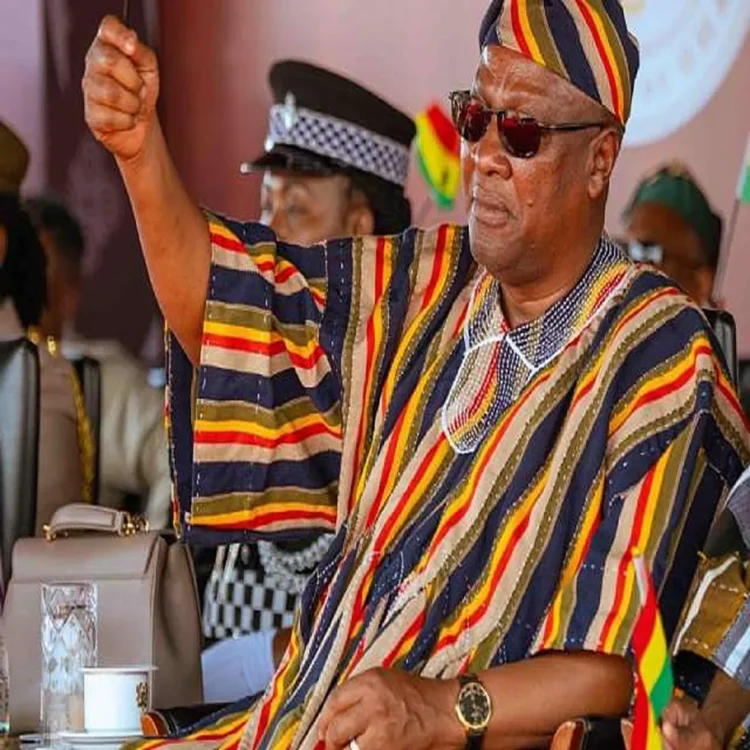
Ghana’s President John Mahama addressed the United Nations ahead of the vote, urging member states to support what he called a historic initiative. Speaking on behalf of advocates for reparative justice, Mahama emphasized the scale of human suffering caused by the slave trade, which forcibly displaced more than 12.5 million Africans over several centuries.
He described the resolution as an opportunity for the international community to collectively recognize the deep and lasting impact of slavery. According to Mahama, millions were stripped of their identities, families, and futures, leaving a legacy that continues to shape global inequalities today.
Preserving Historical Truth
Mahama also highlighted the importance of protecting historical truth, warning against efforts to erase or downplay the realities of slavery. He pointed to recent debates in the United States over restrictions on teaching topics such as slavery, segregation, and racism, stressing that remembering history is essential to preventing its repetition.
The draft resolution seeks to firmly establish the transatlantic slave trade and the system of racialized enslavement as among the most severe violations in human history. It further underlines how the consequences of slavery continue to influence modern society, particularly through ongoing racial discrimination and forms of neo-colonialism.
Calls for Clear Recognition and Accountability
Amma Adomaa Twum-Amoah, representing the African Union, noted that clearly defining these historical events is critical for justice. She said that acknowledging the deliberate nature of slavery removes any ambiguity about its origins and impact.
According to her, the inequalities seen today are deeply rooted in those historical actions, making it essential to confront the past with honesty. She added that justice begins when such events are accurately named and understood.
Demands for Reparative Justice
Beyond recognition, the resolution encourages countries historically involved in the slave trade to take steps toward restorative justice. Ghana’s Foreign Minister Samuel Okudzeto Ablakwa stated that nations responsible for the trade should issue formal apologies to Africa and people of African descent globally.
He also suggested practical measures, including the return of cultural artifacts taken during the colonial era. Addressing systemic inequalities and considering compensation for affected communities were also highlighted as potential paths forward.
Addressing Concerns Over Language
Some member states have raised concerns that labeling the slave trade as the “gravest crime” could imply a hierarchy of suffering among historical tragedies. However, Ablakwa clarified that the intention is not to compare or diminish other forms of suffering.
Instead, he argued that the scale, duration, and systemic nature of the transatlantic slave trade set it apart. Spanning over 300 years, its consequences remain visible today, making it uniquely significant in the context of human history.
He stressed that recognizing this does not invalidate other tragedies but rather ensures that the full extent of this particular injustice is acknowledged.
A Step Toward Global Reflection
If adopted, the resolution would mark a significant moment in international efforts to confront historical injustices. While it does not mandate specific actions, it opens the door for deeper discussions on accountability, reconciliation, and long-term solutions.
Supporters believe that such recognition is a necessary foundation for healing and for building a more equitable future. As the global community prepares to vote, the outcome may shape ongoing conversations about justice, memory, and responsibility.